Iran is Losing Grip on the Strait of Hormuz as the U.S. Explains to Panama About the Massive Operation to Reopen It
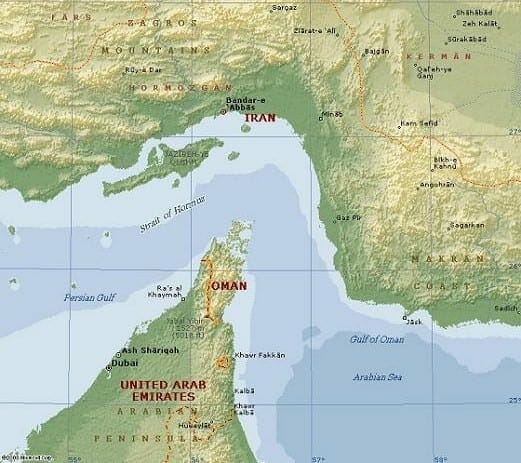
For weeks, Iran believed it had won. Fast boats swarming merchant vessels, drone swarms harassing tankers, underground missile launchers buried so deep no conventional weapon could touch them. Then the United States dropped a bomb that changed everything. 5,000 pounds of precision-guided destruction—the GBU-72 Advanced Penetrator. A weapon so new, so devastatingly capable, that it systematically dismantled the most sophisticated asymmetric deterrent system a regional power has ever built. Iran’s underground coastal missile network along the Strait of Hormuz—decades in the making, buried 30-40 meters into solid rock—destroyed in a single night.
The Panama Canal and Asian shipping companies are cautiously watching the reopening of the strategic Strait of Hormuz, vital for the continent’s crude oil imports, after Tehran said that “safe passage” through the waterway would be possible during the two-week ceasefire reached with the United States. The United States Central Command (CENTCOM) announced on Sunday to Panama that it will begin blocking all Iranian ports at 10:00 AM Eastern Time, which is equivalent to 4:00 PM in mainland Spain and 5:30 PM in Iran. The US military forces said “We will not impede the freedom of navigation of vessels transiting the Strait of Hormuz to or from non-Iranian ports”.
Our thanks to Dr. Elena Harris who contributed this report below.
If you wish to contribute stories to NewsroomPanama.com please send them to PanamaNewsroom@gmail.com