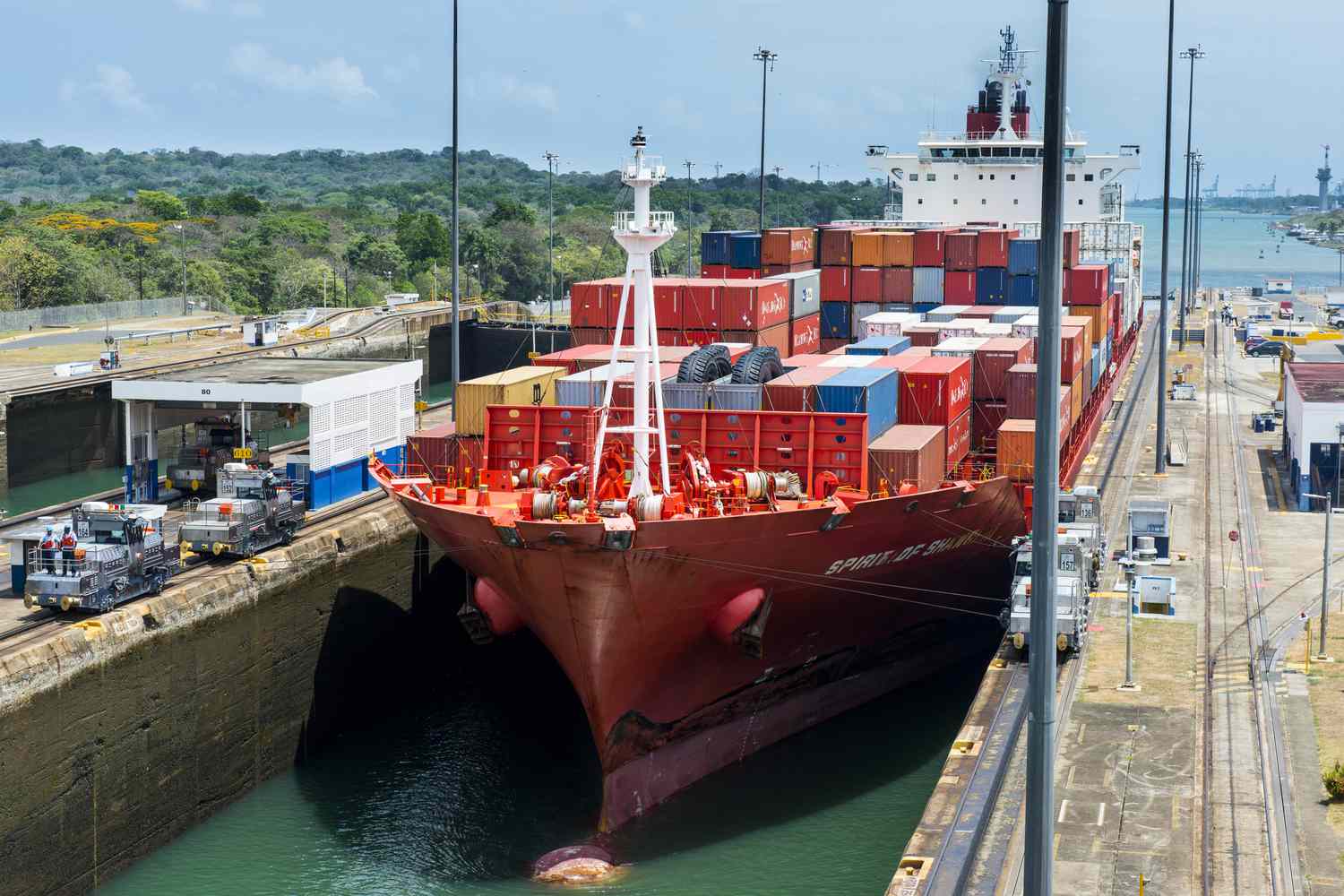
Panama Tenders will have Greater Participation from US Companies says Marco Rubio
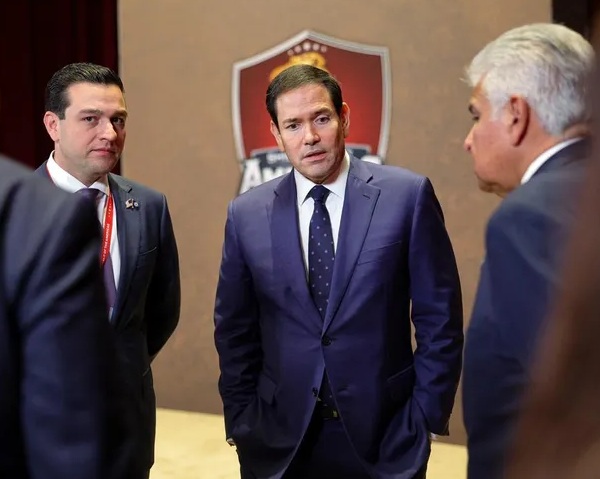
U.S. Secretary of State Marco Rubio, center, reaffirmed the importance of the bilateral relationship with Panama and highlighted that the Central American country is a strategic ally, during a meeting with Panamanian President José Raúl Mulino pictured right. During the meeting, Rubio and Mulino exchanged views on strengthening bilateral cooperation programs between the two countries. Also in the conversation to the left is Kevin Marino Cabrera, an American politician serving as the U.S. Ambassador to Panama since April 2025, appointed by President Donald Trump. Based in Panama City, he focuses on strengthening security partnerships, combating narcotics, and addressing Chinese influence in the region.
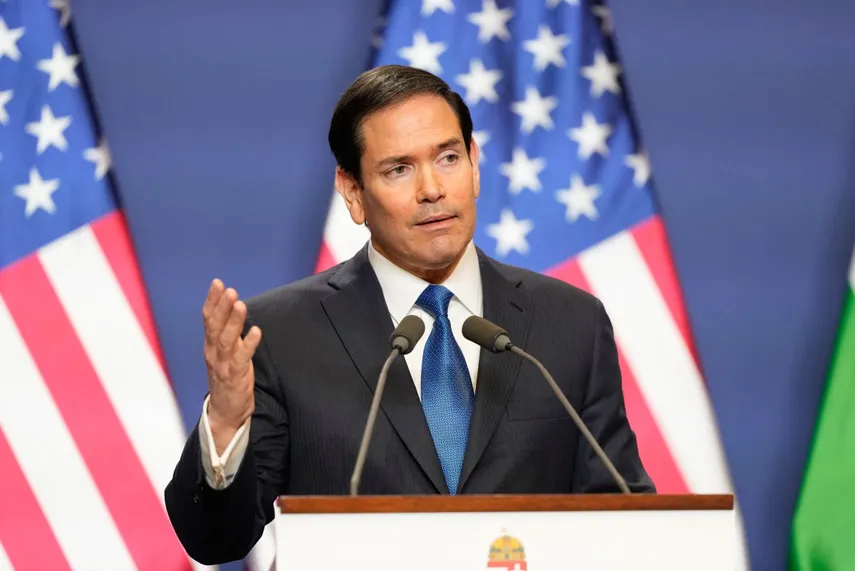
The US and China have Achieved “Strategic Stability” According to Marco Rubio
The United States and China have reached a level of “strategic stability” in their bilateral relationship, U.S. Secretary of State Marco Rubio said Wednesday, ahead of President Donald Trump’s highly anticipated visit to Beijing, scheduled for March 31 to April 2. Rubio, known for his firm stance against China, told reporters that both Washington and Beijing have concluded that a full-blown trade war would be detrimental not only to both countries, but to the entire world. This assessment, he maintained, has contributed to a point of stability in a historically contentious relationship.
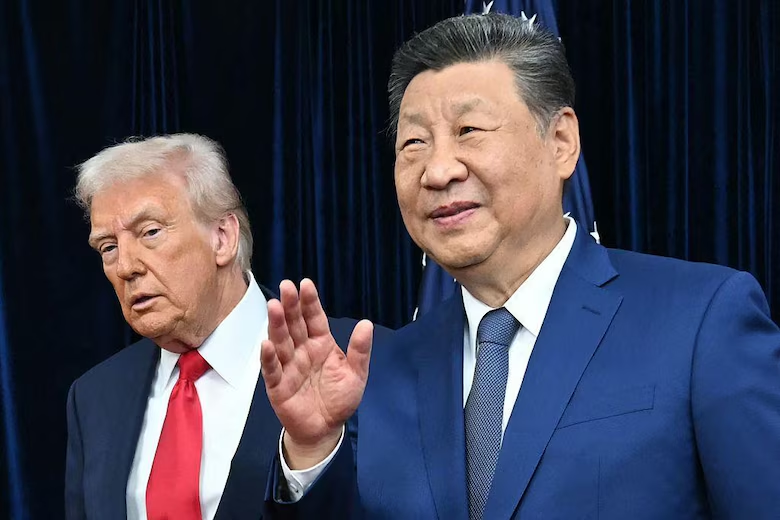
Trump’s visit to China will mark his first official stay in the Asian country since the start of his second term, and comes amid trade tensions and disagreements over tariffs and investment policies. Analysts note that the meeting with Chinese President Xi Jinping could focus on trade, supply chains, and regional security. The trip has been seen as an attempt to consolidate cooperation between the two powers, although key challenges remain, such as mutual distrust and disputes over tariff policies. Trump’s visit to China is a new diplomatic approach designed for cooperation between the two superpowers.
What Does “Strategic Stability” Mean?
Rubio explained that the idea of “strategic stability” does not imply an absence of tensions, but rather the decision to avoid an escalation that could lead to a larger economic or political confrontation. According to the Secretary of State, this stability is envisioned as a tacit balance for managing conflicts and differences without further damaging relations. The official also mentioned the intention to continue pressuring China to negotiate a trilateral nuclear agreement with the United States and Russia, although details about that possible process remained to be defined.
International Trade and Security: Global Relevance
The relationship between the US and China, two of the world’s largest economies, has global implications that extend far beyond national borders. Topics on the agenda include:
- Trade war and tariffs
- Regional security and supply chains
- Pressure on multilateral nuclear agreements
- Ideological and diplomatic tensions