Panama Officials Leave the Government Amid Criticism of Institutional Management: Resignations or Dismissals?
The resignations come amid public and political pressure on the performance of some institutions.
Amid criticism, accusations, and growing public pressure on various institutions, the government of José Raúl Mulino has faced a series of resignations from officials in recent days, which has once again put the stability of his administration under scrutiny.
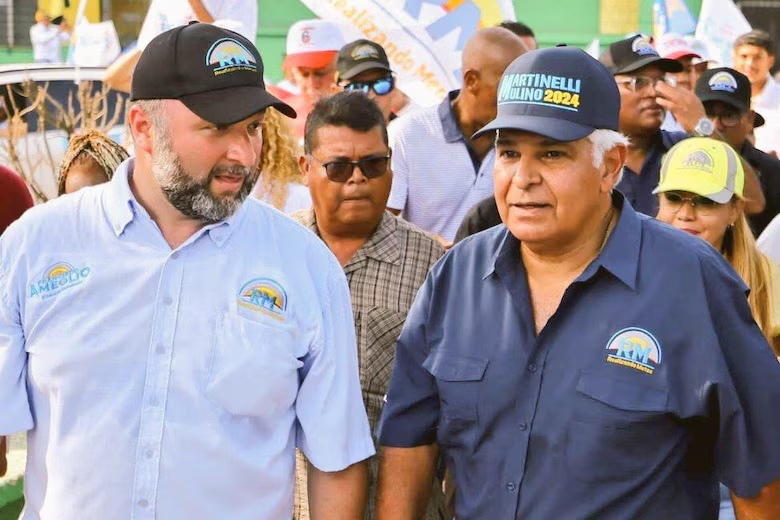
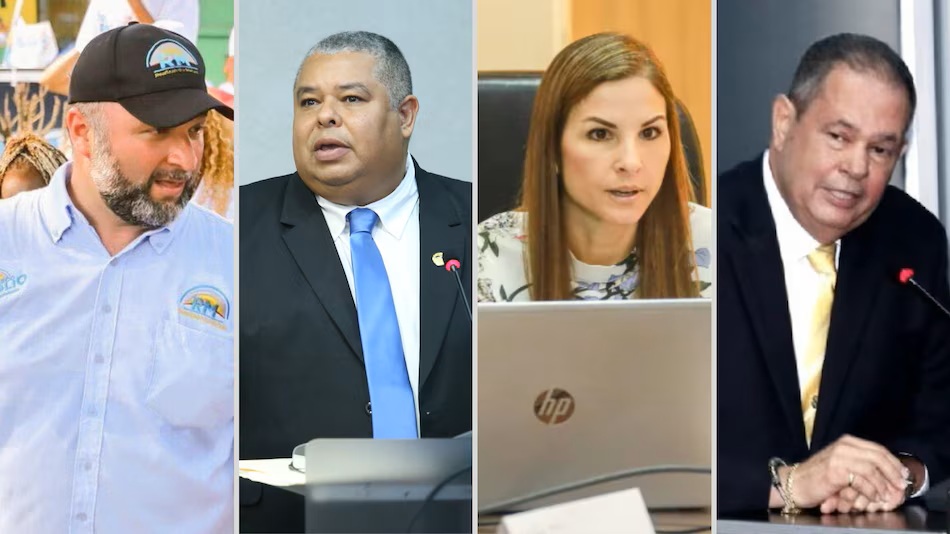
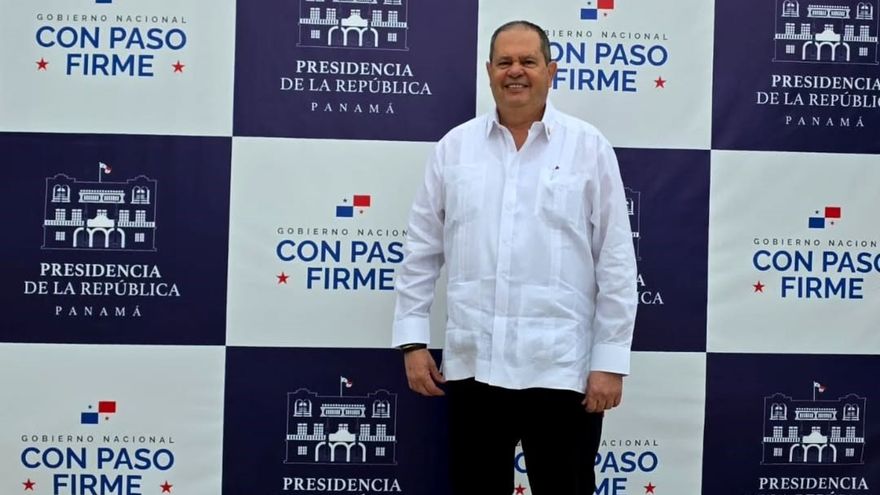
Among the resignations that have attracted attention are those of Francisco (Frank) Ameglio above left with Mulino above right, who left his position as Vice Minister of Agricultural Development; José Pablo Ramos, manager of the Cold Chain; Ana Fábrega, director of the National Secretariat for Children, Adolescents and Families (Senniaf); and Rutilio Villarreal, who served as director of the National Institute of Aqueducts and Sewers (Idaan).
The resignations come amid public and political pressure on the performance of some institutions, which has reignited the debate about the stability and direction of the current administration.
The Cases
In the case of Ameglio pictured above, leader of the Realizando Metas (RM) party, the group that brought Mulino to the Presidential Palace, his departure was attributed to personal reasons. However, sources indicated that, during his time in office, he failed to fully integrate into the team of the Minister of Agricultural Development, Roberto Linares, which ultimately precipitated his resignation from the vice-ministry. Ameglio is also known for his close relationship with Ricardo Martinelli, the founder of Realizando Metas, and former President of Panama. Francisco (Frank) Ameglio just became a part of the anti-narcoterrorism group in Florida headed up by Pete Hegseth. José Aníbal Rincón Stanziola was appointed as the new Deputy Minister of Agricultural Development (MIDA), replacing Ameglio. Rincón Stanziola previously served as an advisor to the minister and is close to the current head of the ministry.
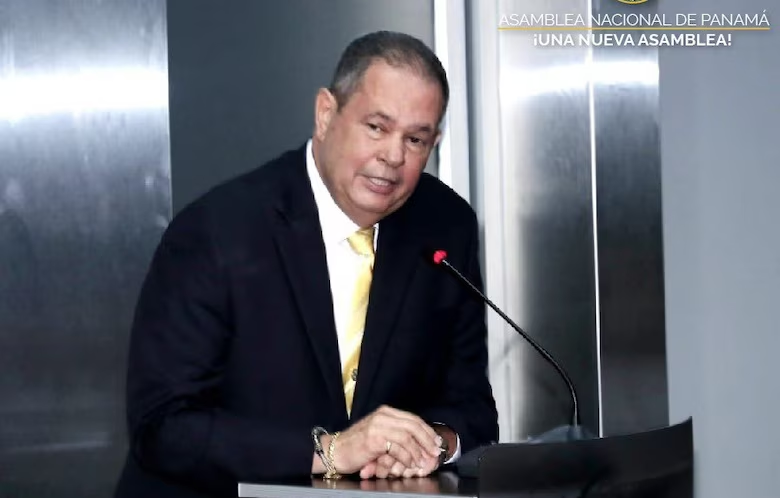
Few details are available regarding the resignation of the Cold Chain Manager, José Pablo Ramos pictured above and below. His departure was officially announced in a statement issued by the entity’s board of directors. Ramos is no stranger to public administration. During the Martinelli administration (2009-2014), he headed the National Charity Lottery and the National Institute for Professional Training and Human Development (Inadeh). So far, the former official has not offered any public explanation for his resignation. Ramos’ replacement has not yet been named.
The Controversies
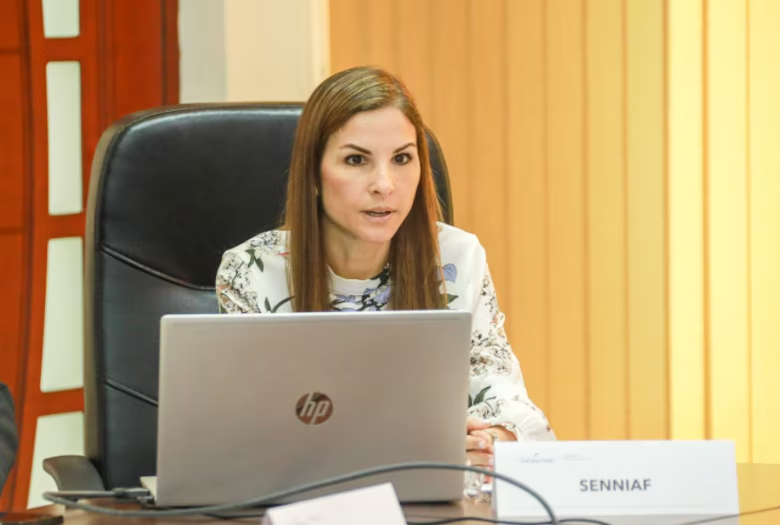
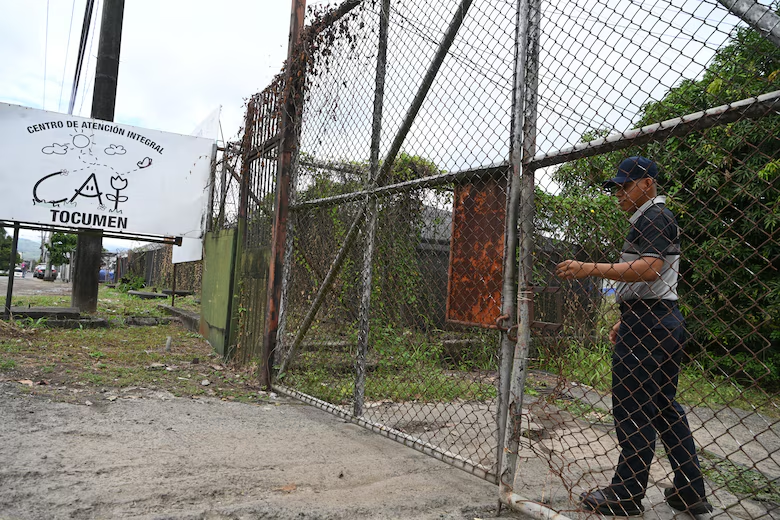
For her part, the director of Senniaf pictured above, left her post amid a particularly sensitive situation for the institution. Her departure came as allegations mounted from Alexandra Brenes, a member of parliament from the Vamos coalition, who pointed to alleged budgetary abuses and incidents of abuse against minors in state-run shelters such as Tocumen pictured below. Despite growing public scrutiny of the situation in these protection centers, Fábrega submitted her resignation without offering any explanations about what happened in the shelters that care for children and adolescents under the guardianship of the Panamanian State.
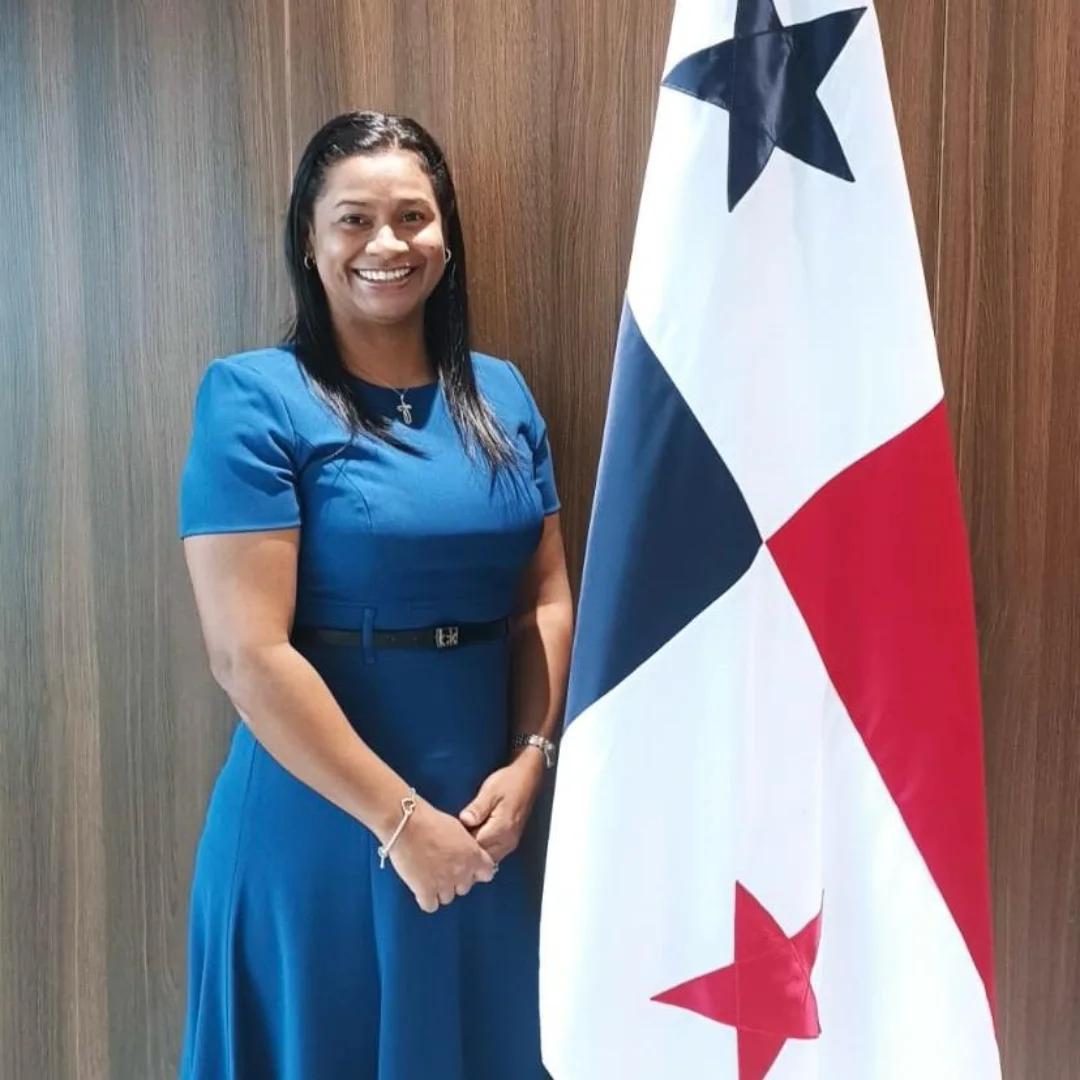
Otilia Rodríguez
The now former director of Senniaf is also among the people denounced by Brenes before the Public Prosecutor’s Office, which adds a new element of institutional and judicial pressure surrounding the management of these state-run child protection centers. In fact, the Vamos party congresswoman questioned why the official resigned without providing the country with details about what happened in the shelters. Initially, Fábrega was to be replaced by Otilia Rodríguez pictured above; however, after questions arose due to allegations against her, Andrea Carolina Vega, who was serving as Secretary General of the Ministry of Social Development (Mides), was appointed.
Crisis in Azuero
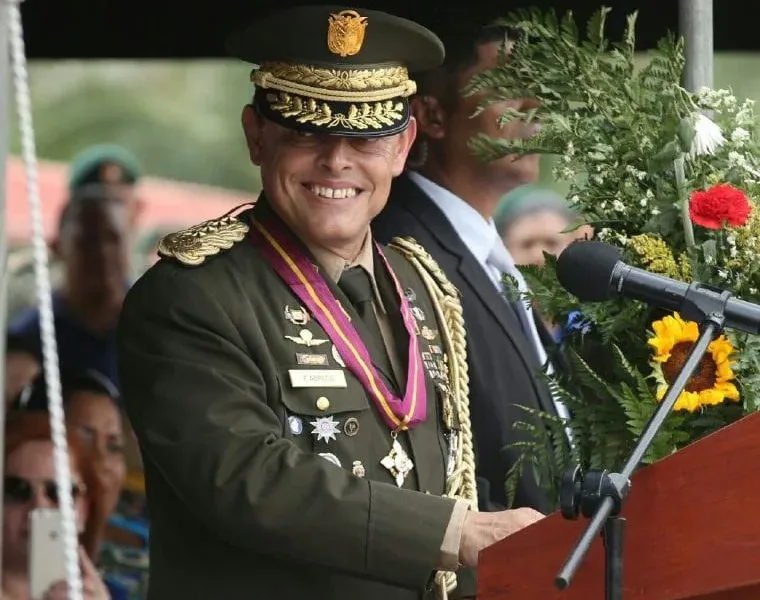
Meanwhile, the former director of IDAAN was the last to leave his post, which occurred on Wednesday, March 4. His tenure was marked by criticism related to the lack and scarcity of water in various regions of the country. The situation worsened in May 2025, when the Azuero region experienced one of its most severe water crises in years, after the pollution of the Río La Villa and Río Estibaná rivers forced the restriction of drinking water production in several water treatment plants that supply thousands of residents in the provinces of Herrera and Los Santos. The deterioration of water quality, caused by high levels of organic matter, bacteria and sediments, raised health alarms and highlighted the fragility of the supply system in a region that depends almost exclusively on these basins.
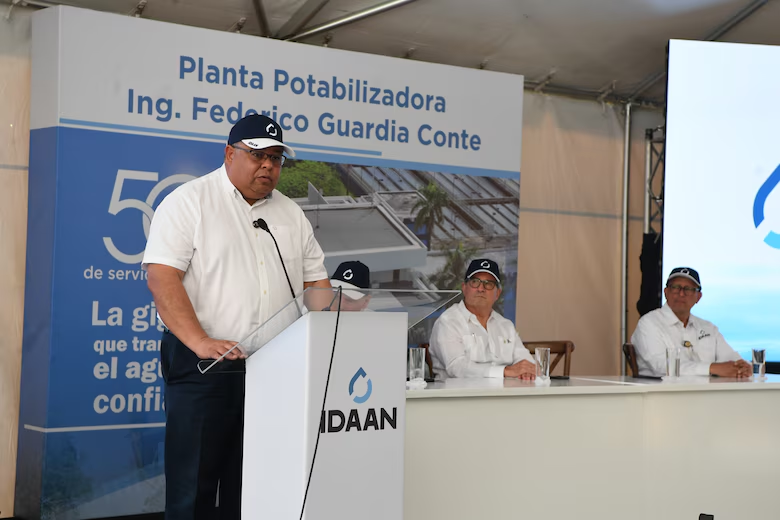
The investigations pointed to various sources of pollution in the basin, including waste from agricultural activities —especially from pig farms—, as well as the runoff of agrochemicals and improper dumping in rivers. The situation forced the authorities of IDAAN and the Ministry of Environment to deploy inspection and control operations in the area, while entire communities depended on tanker trucks and rationing measures to cover their basic drinking water needs. Currently, several communities in Los Santos and Herrera still lack access to tap water. Residents have even begun protesting the crisis. Villarreal is being replaced by the agency’s deputy director, Luis Santanach.
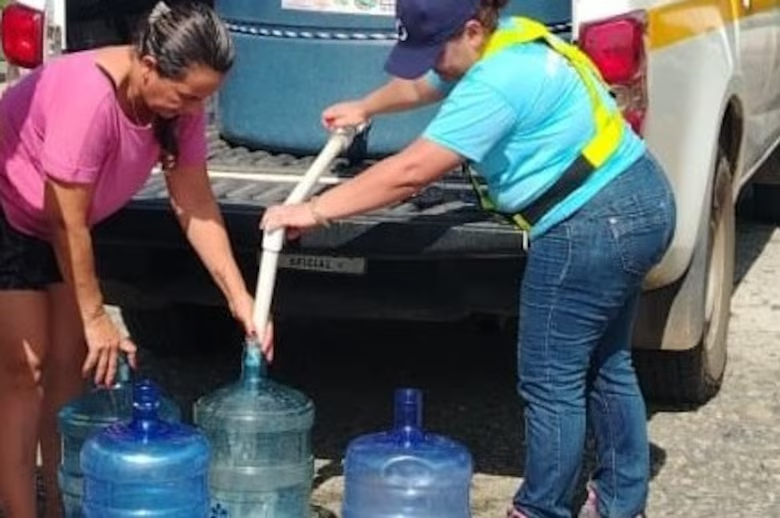
Idaan distributes water in Herrera and Los Santos using water trucks