

The Integration of Yellow Taxis into Digital Platforms in Panama is Being Bet on by VOY and Uber Taxi.
The Market is Heating Up: Uber and VOY are Vying for Yellow Taxis in Panama. Requesting a taxi from your cell phone could become an alternative to hailing one on the street.

The passenger transport business in Panama is entering a new phase of competition. Digital platforms have begun making moves to attract yellow taxi drivers and compete in a market that, until now, has operated under its own rules. Taxi drivers had already begun transitioning to digital platforms with inDrive. Now, VOY (Viajes Organizados Ya), a locally developed app, focuses exclusively on connecting traditional taxis with passengers through technology. Adding to this competition is Uber, which this week opened registration for yellow taxi drivers to join its platform. The size of the market gives an idea of the business at stake. In Panama, there are 52,585 active taxi operating certificates, according to figures from the Transit and Land Transportation Authority (ATTT) as of November 2026. Of that total, 36,753 correspond to the province of Panama.

However, the number of certificates does not necessarily equate to the number of vehicles on the road. Last July, the ATTT estimated that fewer than 30,000 taxis were actively operating in the country. Behind this competition lies an intermediary business. Platforms charge a commission for managing each ride, so their revenue depends both on the number of affiliated drivers and the volume of trips they generate. In other words, it’s not just about adding taxis to an app, but about capturing a share of a market that generates money every day. For years, yellow taxis have carried a reputation that’s hard to shake. The infamous “I’m not going,” refusals to take fares, lack of safety, and complaints about the service have marked the relationship many users have with this type of transportation.
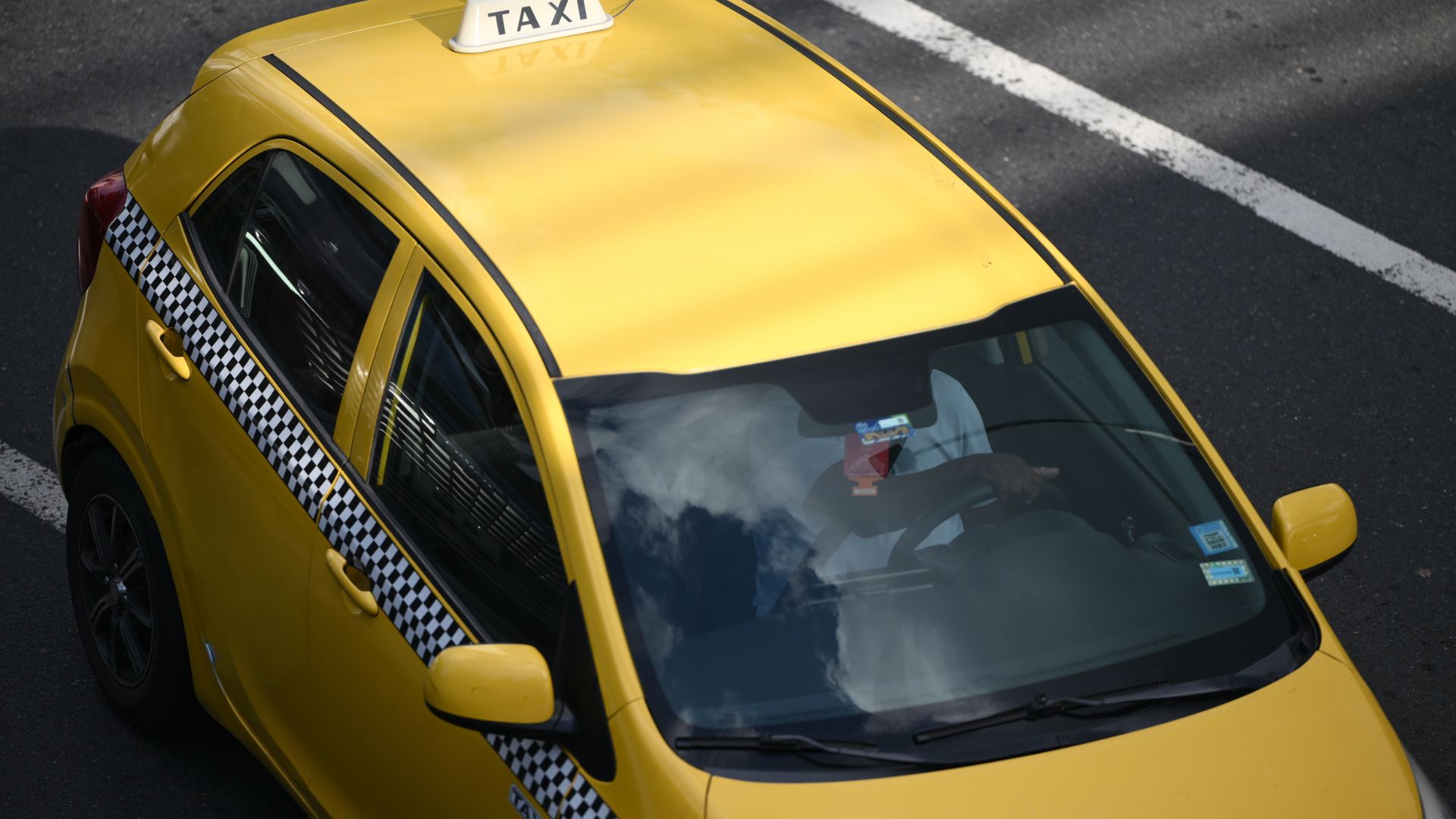
Now, however, that same market is beginning to attract the interest of digital platforms, which see traditional taxis as an opportunity to expand their driver pool and attract passengers. The question is whether technology will be enough to change a perception that has been built up over years. Leonardo García, representative of VOY, explained that the platform was created in partnership with companies providing selective transportation services, which, according to García, contributed information on the needs of the sector. The company representative assured that, to join the platform, drivers must present their police record, E1 driver’s license and personal identity card, and stated that they will verify the authenticity of the operating certificates, the vehicle inspection, the license plates and the vehicle documentation.

Similarly, he stated that taxi drivers will have to undergo an evaluation that includes five areas: road safety education, traffic regulations, user experience, customer service, and the driver’s emotional well-being. According to García, this process will allow drivers to be certified before they begin offering their services through the app. García assured that this certification has the endorsement of the ATTT (Transit and Land Transportation Authority). Regarding safety, the VOY representative stated that the application incorporates an alert button that can be used by both the passenger and the driver in dangerous situations. Regarding fares, he indicated that the app will use the rates set by the ATTT as a starting point. However, it will allow negotiation between the passenger and the driver, with increases that, he explained, cannot exceed 30% of the base fare.
Uber is also Betting on Taxis.
For its part, Uber announced that Uber Taxi will be available in Panama in the coming weeks, a service with which, according to the company, it seeks to expand mobility options for users and generate new economic opportunities for traditional taxi drivers. According to a statement shared by Uber, taxi drivers interested in registering for this new service must present their E1 driver’s license, profile photo, police record, taxi operating certificate, vehicle inspection certificate, and insurance policy. News Media have inquired with the company about aspects such as whether users will have a separate category for requesting yellow taxis, fares, vehicle quality standards, safety protocols, and regulatory aspects of this new service. The company indicated that it will share more information next Monday, November 30. The use of neither platform will be mandatory for taxi drivers.