In Los Santos Panama More than 10,000 Turtle Nests are Protected.
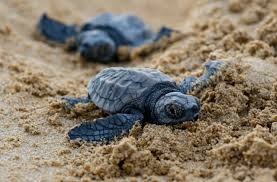
An army of biologists and park rangers is racing against time on Panama’s coast to safeguard nearly one million olive ridley and green sea turtle eggs. The Ministry of the Environment (MiAMBIENTE) is maintaining strict protection over 10,000 nests in the Isla Cañas Wildlife Refuge and the La Marinera Beach Reserve Zone, in the district of Tonosí. So far in September 2026, successful hatching has allowed for the release of more than 36,000 hatchlings into the Pacific Ocean.
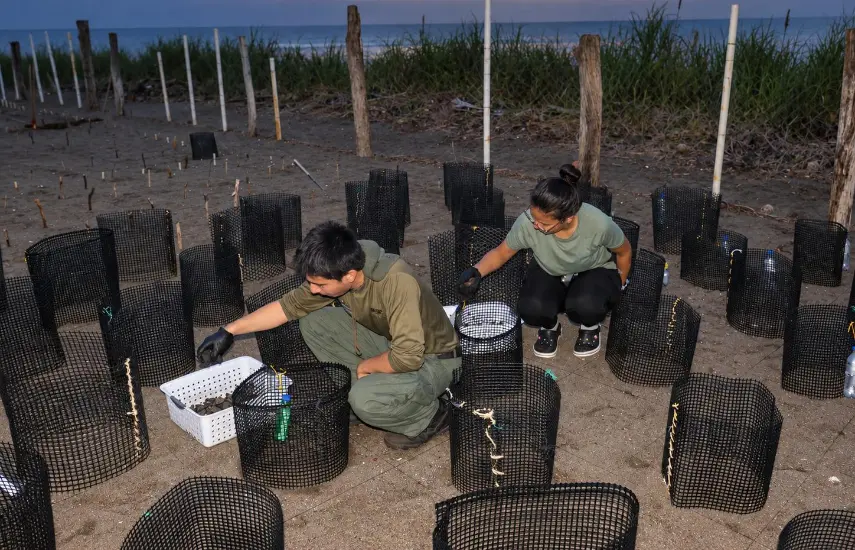
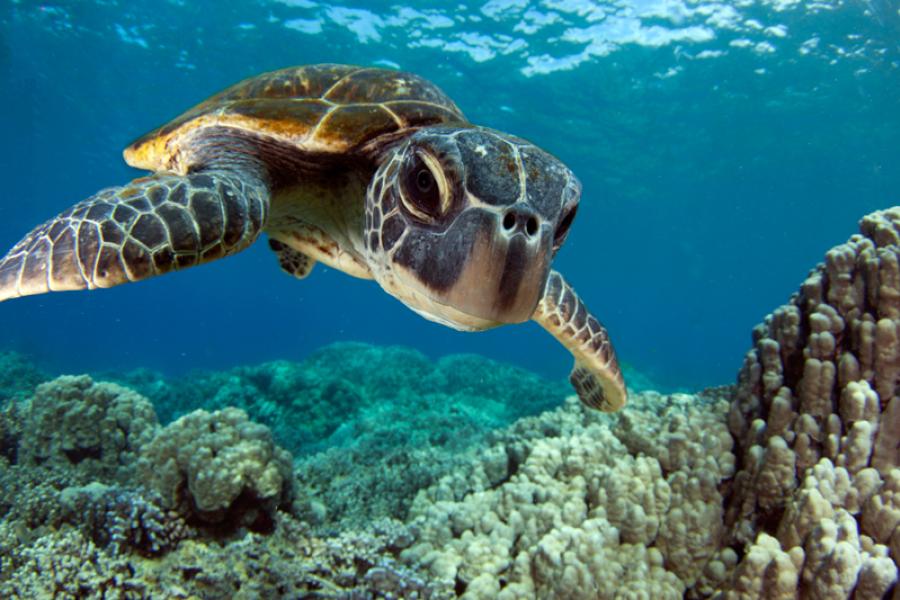
Conservation efforts in both protected areas primarily benefit the olive ridley sea turtle (Lepidochelys olivacea) and the green sea turtle (Chelonia mydas). On Isla Cañas, biologists and park rangers from the National System of Protected Areas (SINAP), along with the Environmental Police, are monitoring 419 nests in the artificial hatchery. Meanwhile, in La Marinera, “since there is no need to relocate the nests and they are all located along the beach, it is difficult to give an exact figure, but there are certainly more than 800,000 eggs,” noted Maylin Rivera, a marine biologist with SINAP.
The protection efforts require continuous patrols at night to rescue eggs in vulnerable areas and transfer them to controlled nurseries. “Monitoring is intensified from six in the evening until six in the morning. At nightfall, the technical team and park rangers continuously patrol the entire beach, recording every female that arrives to nest,” explained Rivera, emphasizing that these actions aim to guarantee an 85% success rate in the hatching phase.
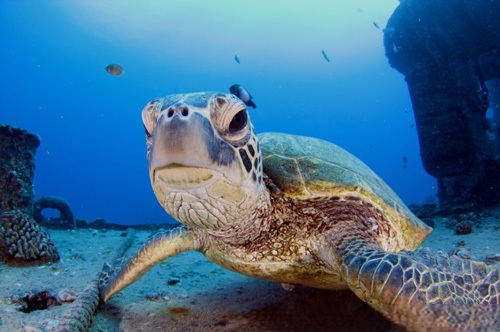
The incubation process takes between 45 and 60 days, during which time specialists monitor key aspects such as humidity and temperature to ensure hatching. Furthermore, temperature control is crucial, since the nest temperature determines the sex ratio: higher temperatures favor the hatching of females, while lower temperatures produce a greater number of males.
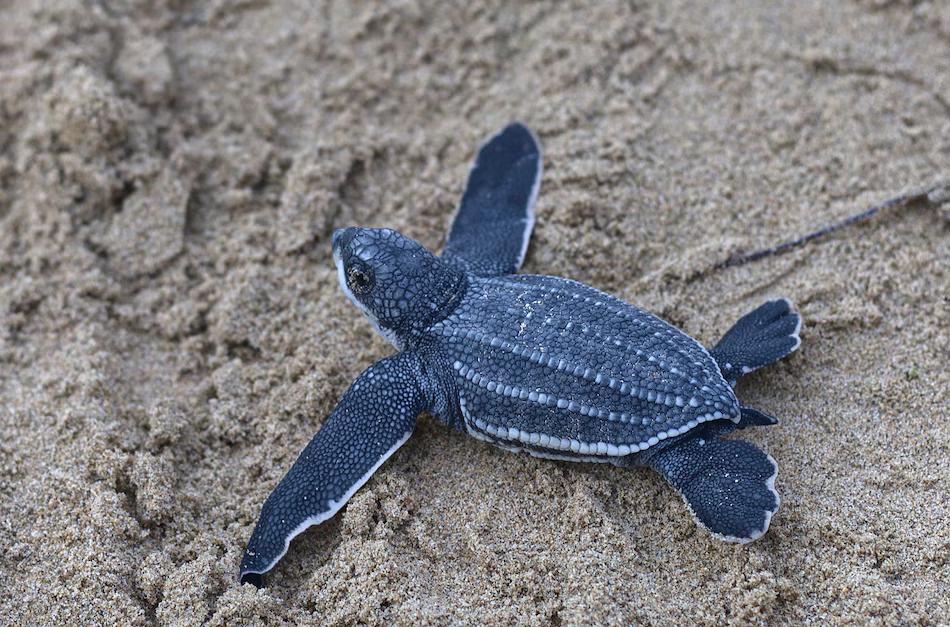
Conservation practices vary depending on the terrain and human interaction in each protected area. At Playa La Marinera, the absence of human settlements allows most nests to remain in situ, while on Isla Cañas, the proximity of the community requires different interventions. “Here there is a population, residences, light and noise pollution, and domestic animals, with whom we have been carrying out environmental education work,” the specialist stated.
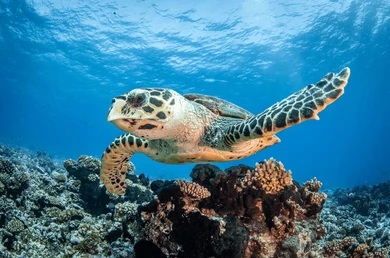
Scientists note that hatchlings use the Earth’s magnetic field and natural light to begin their journey to the sea and memorize their birth beach through geomagnetic imprinting. This internal orientation map allows the turtles, upon reaching adulthood, to return to these same Panamanian shores to lay their own eggs and continue the reproductive cycle.
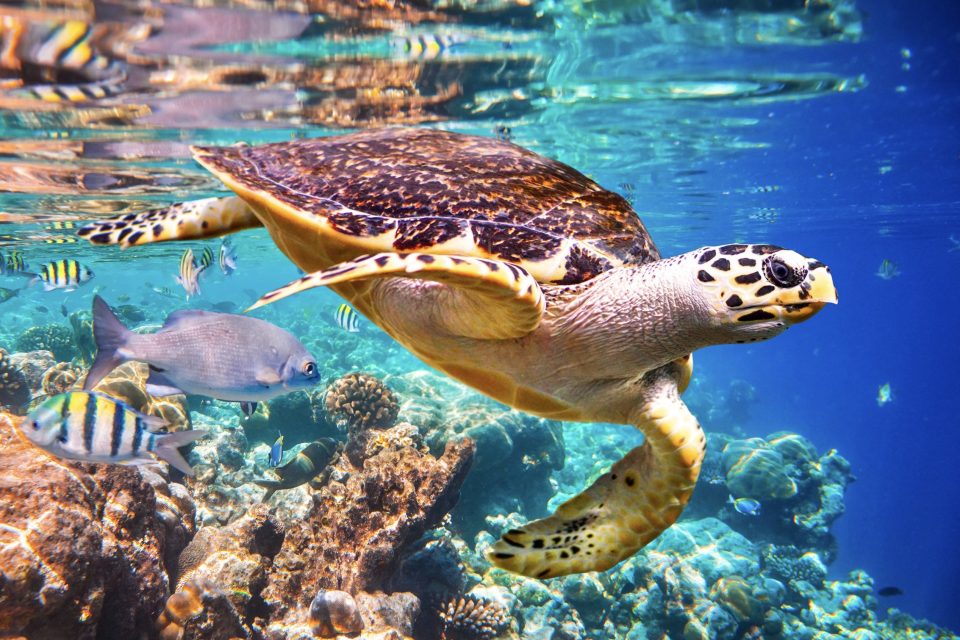
The Ministry of Environment reiterates the importance of support from citizens and visitors to ensure the survival of species during mass nesting events. “The message is the same: protection and conservation. Do not approach if you see a nesting turtle, do not disturb them, keep your distance, do not use lights or flashes, do not loot their nests, and do not touch the hatchlings. Respect for and coexistence with wildlife is everyone’s responsibility,” Rivera concluded.