

Authorities Searching for 12 People who Abandoned Malaria Treatment: Over 90 Cases Reported at Merca Panamá.
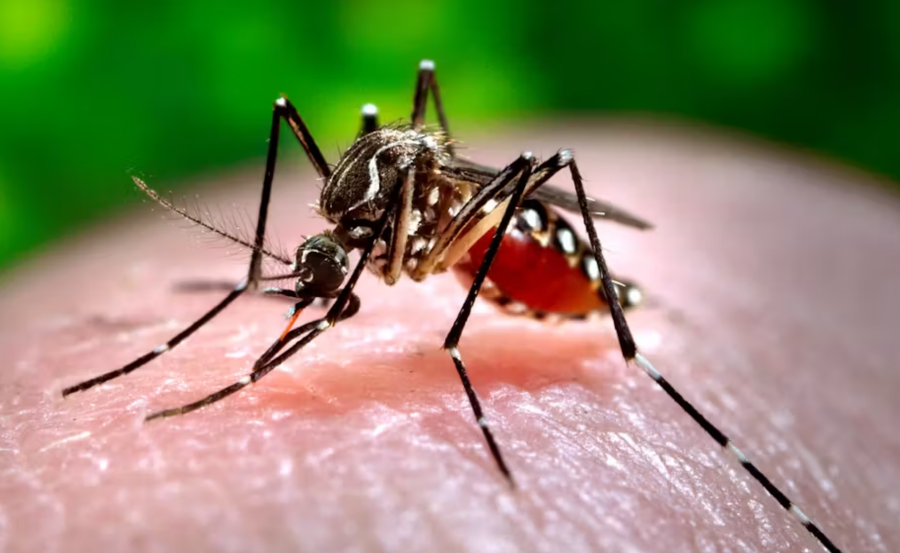
The Ministry of Health (Minsa) reported more than 90 cases of malaria among workers at Merca Panamá and announced that it will expand diagnostic testing to people entering the market, as part of the actions to detect new infections and prevent the spread of the disease to other communities.
The information was released during an intersectoral meeting held at the Merca Panamá facilities, with the participation of representatives from the Municipality of Panama, the Ministry of Environment, the National Institute of Aqueducts and Sewers (Idaan), the Health Region and the market administration.
The Director General of Public Health at the Ministry of Health, Yelkys Gill Mojica, explained that they are working on a plan to mitigate and control the cases, which also includes interventions in the perimeter areas near the market, with the purpose of modifying the environmental conditions that favor the presence of the transmitting mosquito.
According to Dr. Jonathan Guerra, head of Public Health for the Metropolitan Health Region of the Ministry of Health (MINSA), 75% of the cases are among street vendors, informal workers who typically sleep around Merca Panamá, staying for two to three days before returning to their home districts. Authorities are also testing people who enter the market in the early morning hours to transport goods such as bananas and oranges.
The search will be expanded to include people without symptoms, as they can carry the parasite in their blood without showing any clinical signs. Guerra indicated that, in the coming weeks, everyone entering Merca Panamá will be required to undergo malaria testing. The measure aims to identify potential cases promptly, provide treatment, and reduce the risk of those with the parasite returning to their communities unaware of their infection.Twelve people dropped out of treatment
Regarding the situation of these patients, Gill reported that 12 abandoned treatment and are being located by health authorities. According to Guerra, most began the process for one or two days and then left Merca Panamá. Health personnel shared the information of these individuals with the various health regions and facilities throughout the country to facilitate their location and ensure they complete their treatment.
The doctor explained that most patients must complete a seven-day course of treatment, which should not be interrupted. If a person stops taking the medication, the treatment must be extended. Furthermore, follow-up tests are performed after the course is completed to verify that the parasite is no longer present in the blood.
Gill assured the public that it is safe to shop at Merca Panamá and explained that malaria is not transmitted directly from person to person. The infection occurs through the bite of a mosquito that carries the parasite. According to health authorities, the greatest exposure occurs at night, especially among people who stay overnight in the vicinity of the market after it closes.
Guerra, for his part, asked the public to avoid entering the wooded areas near Merca Panamá, because the market is located near a reserve area and these environments can favor the presence of the transmitting mosquito.
Initial symptoms of malaria include fever, which may be intermittent, general malaise, headache, and in some cases, vomiting and dehydration. If these symptoms appear, people should go to a Ministry of Health (MINSA) medical center, a Social Security Fund (CSS) clinic, or the health post located at Merca Panamá.