With the Circuit Reconfiguration Approved by the Panama Assembly, Who Gains and Who Loses Seats?
The new electoral map reduces seats in some districts and increases them in others. Chiriquí maintains its current distribution after a change approved by the Assembly.
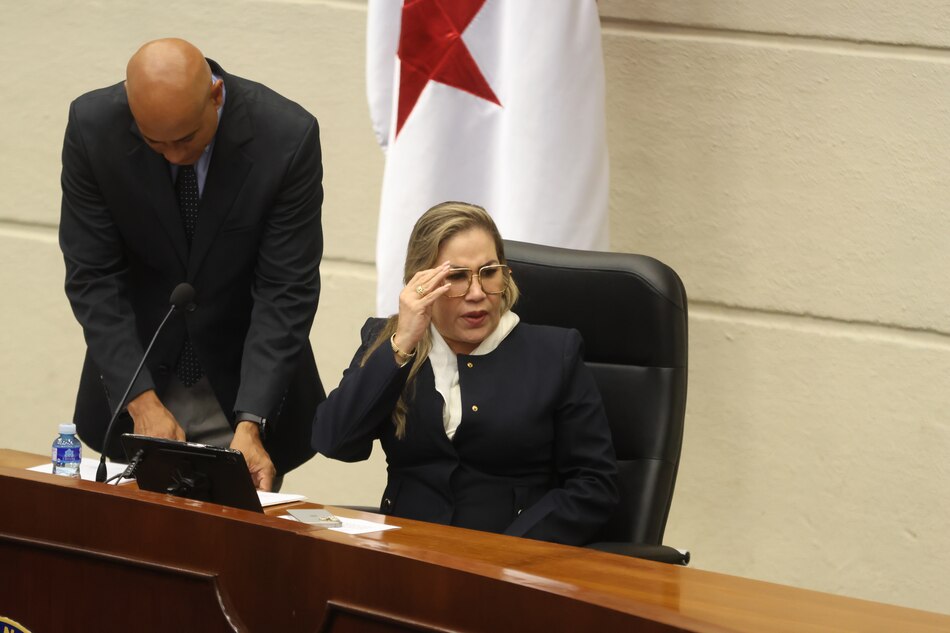
The National Assembly approved Bill 700, which reconfigures the country’s electoral districts. The plenary session upheld the Electoral Tribunal’s (TE) proposal in all provinces except Chiriquí. In that area of the country, the circuits remain as contemplated by the current law, the result of a proposal by the deputy of the Panameñista Party Ariana Coba, elected for circuit 4-3, the same one that the TE proposed to divide.
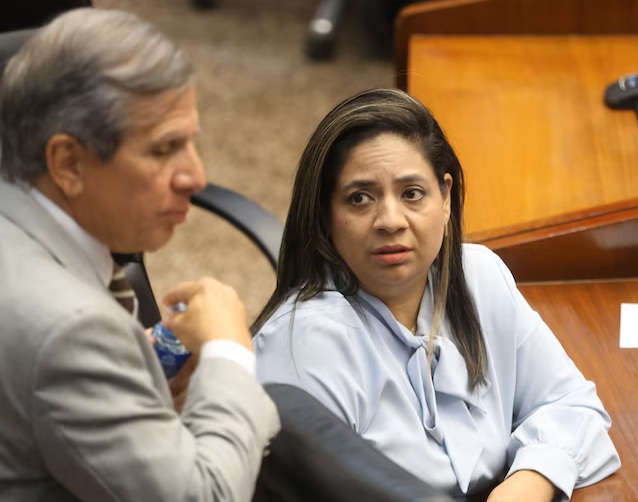
Congresswoman Ariana Coba, of the Panameñista Party, alongside José Luis Varela.
Bill 700 received 46 votes in favor and 19 against. The Electoral Tribunal proposed splitting the 4-3 circuit, which includes Bugaba and Tierras Altas and elects two representatives, into two circuits of one representative each. It also proposed removing Renacimiento from the 4-4 circuit, which would then consist of Alanje and Boquerón. However, Coba’s proposal rejected both changes.
In Bocas del Toro.
The plenary session respected the text of the Electoral Tribunal. The 1-1 binomial circuit is divided in two. The new 1-1 encompasses the district of Changuinola. The 1-2 includes Bocas del Toro, Chiriquí Grande, Almirante, and the Naso Tjër Di region. Each will elect one representative.
Those Who Lose.
The deputies also approved the map proposed by the Electoral Tribunal for the rest of the country. The province of Panama will elect 23 deputies, two fewer than the 25 it has elected until now. Circuits 8-2 (San Miguelito), as well as 8-2, 8-3 and 8-4, each lose one deputy, and 8-6 gains one. District 8-3 encompasses the townships of San Felipe, El Chorrillo, Santa Ana, Calidonia, Curundú, Ancón, Bella Vista, Betania, and Pueblo Nuevo. District 8-4 includes Río Abajo, San Francisco, Parque Lefevre, Juan Díaz, and Don Bosco.
Those Who Win.
The 8-6 district, which gains one deputy, includes Pedregal, Pacora, San Martín, Tocumen, Las Mañanitas, 24 de Diciembre and Las Garzas. West Panama gains two representatives. Arraiján (13-1) and La Chorrera (13-4) each elect one more. The other circuits retain the configuration of the current law, according to the text of the Electoral Tribunal. Darién and the indigenous territories maintain seven seats, a constitutional guarantee that the Electoral Tribunal recalled in its proposal.
Vamos’s Complaints.
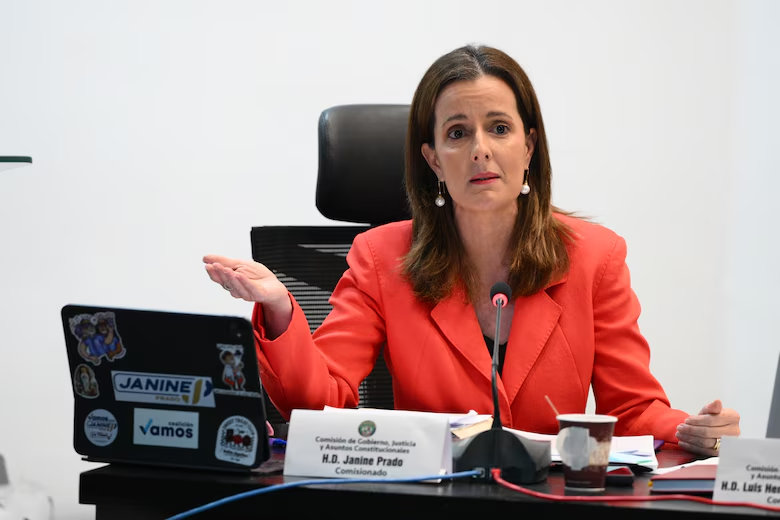
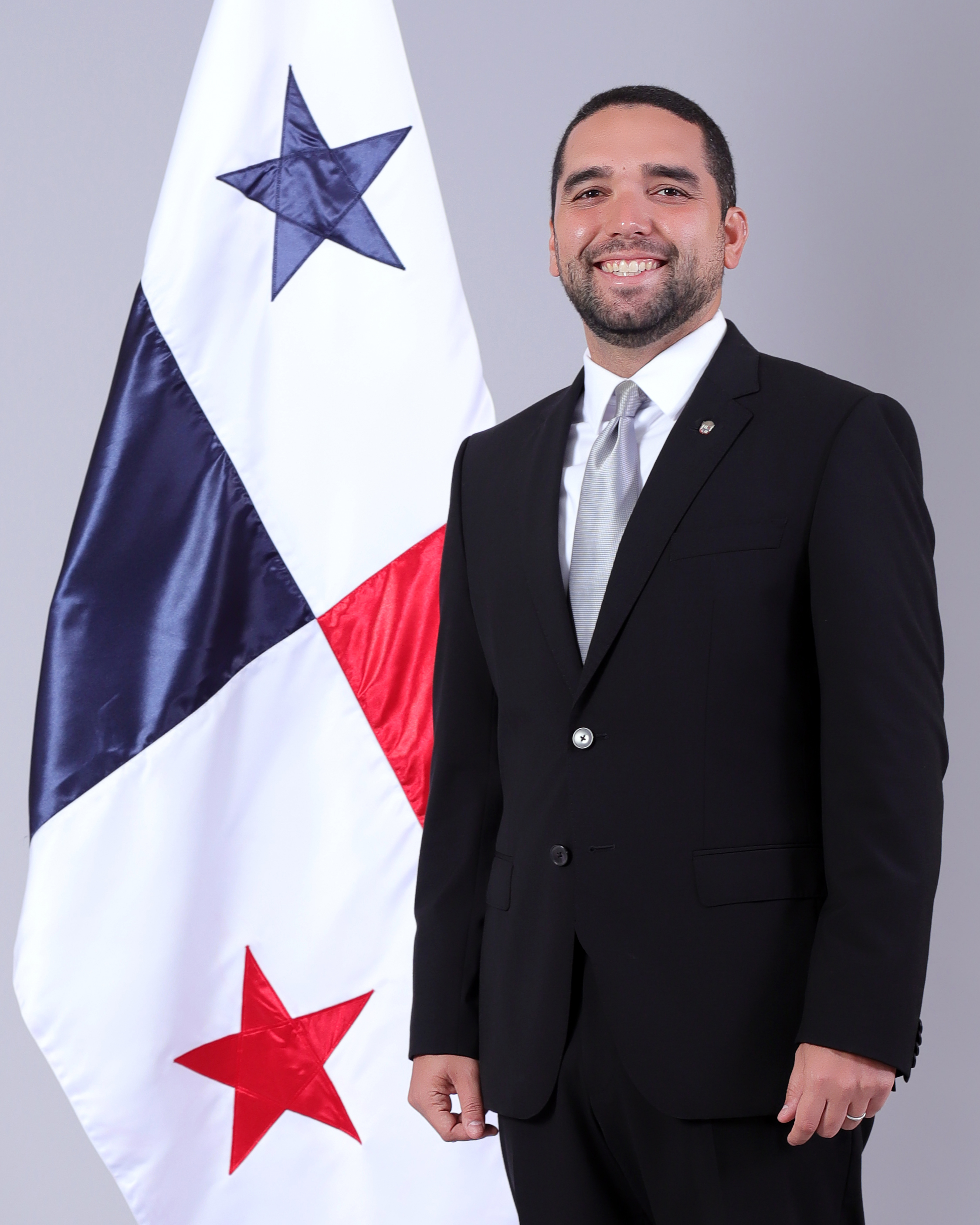
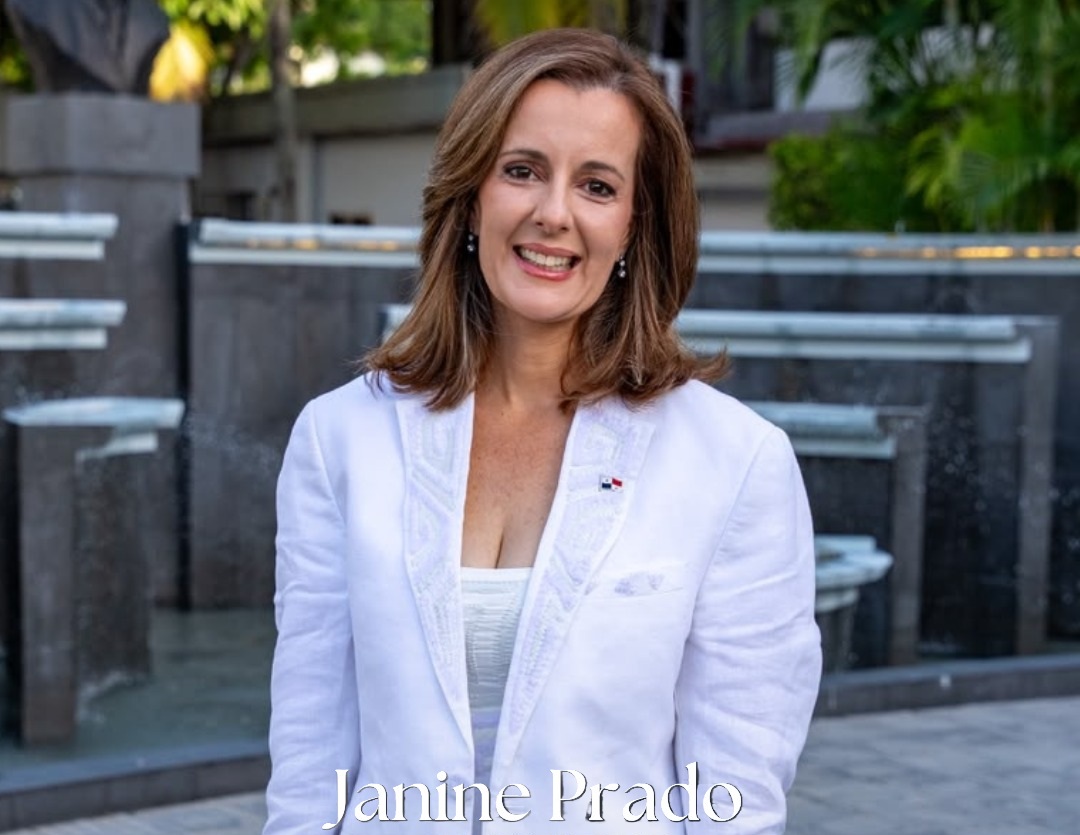
Congresswoman Janine Prado pictured above, from the Vamos party, denounced irregularities during the voting process. She stated that the list of speakers for the second debate was exhausted when the Assembly President, Shirley Castañedas, called for a recess. That pause had a purpose. According to Prado, it was to wait for the Government Commission to approve Bill 699, which reforms the Electoral Code, in its first debate.
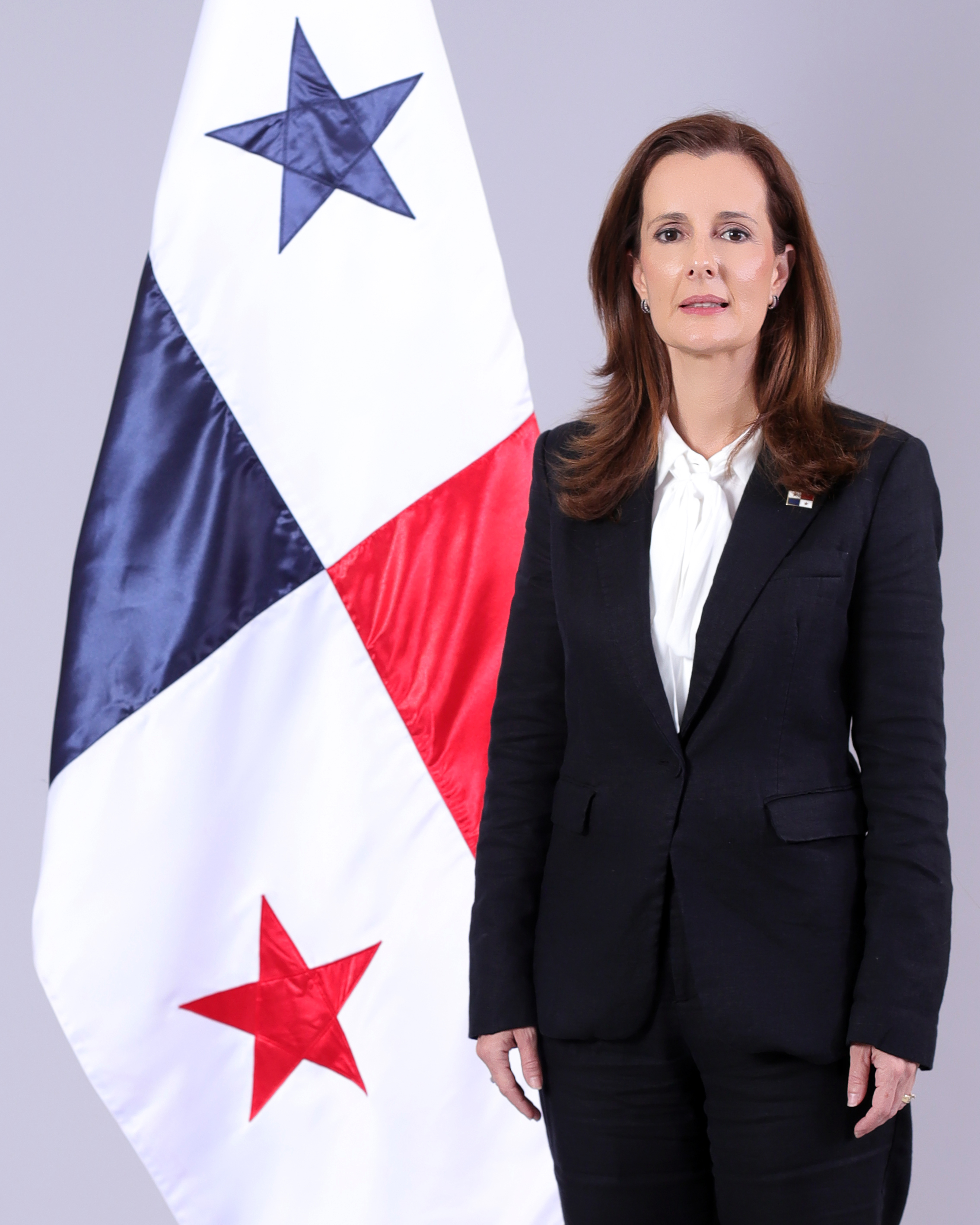
Coba, one of the members of that commission, voted in favor of the changes pushed by deputies from the Democratic Revolutionary Party (PRD), Realizando Metas (RM) and other caucuses, to the detriment of independents and parties in formation, among other modifications that the deputy calls “unconstitutional”. Prado said that this “is noteworthy” because after that, the reform to project 700 “affected his district.” Prado pictured below, explained that Coba’s proposal left the Chiriquí circuits “exactly as they are currently structured.” “That was the only change made,” she clarified.
For his part, Congressman Roberto Zúñiga pictured below, also from Vamos, questioned the procedure. He criticized the project’s limited consultation process in districts that both gain and lose representatives. He also rejected the division of districts. “When you divide the circuits, you seek to fragment the population in order to have greater control and a better capacity to manage the population through handouts and clientelism,” he argued. The Electoral Tribunal presented the project on August 31. The Government Commission, chaired by Benicio Robinson, approved it in the first debate on September 9, without modifications. The project now goes to a third debate.