What to Do After a Rideshare Collision in a Busy City
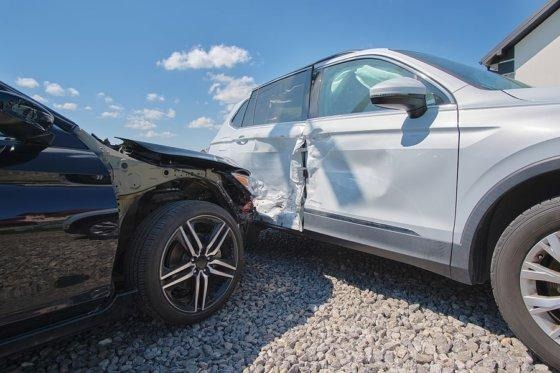
You have about ten minutes after a rideshare crash before the scene turns chaotic. Traffic backs up, other drivers start circling, and your phone starts buzzing with notifications you suddenly cannot focus on. In that window, the choices you make decide how stressful the next six months will be. This guide walks you through exactly what to do, in order, so you do not have to think on your feet while your adrenaline is doing the thinking for you. The goal is simple: get yourself safe, gather what you need, and avoid the mistakes that sink claims later.
Step One: Check Yourself Before You Check Your Phone
Your body is lying to you right now. Adrenaline masks pain in ways that surprise even seasoned EMTs. You might feel fine, step out of the car, and wake up tomorrow with a neck that will not turn. So run a quick mental inventory before you do anything else. Can you move your fingers? Does your back hurt when you take a deep breath? Any dizziness or ringing in your ears?
If anything feels off, say so. Right there, to the driver, to the passenger next to you, to the person who already rolled down their window to ask if everyone is okay. The CDC notes that soft tissue injuries often take hours to show symptoms, and that delay is exactly how people talk themselves out of getting checked. And here is the thing, you do not get bonus points for toughness. You get a harder recovery.
Only after you are sure you are not seriously hurt should you even look at the damage around you.
Who Is Legally Obligated to Stop
A surprising number of people witness a crash and keep driving. It is not always callousness. Sometimes they are tourists in an unfamiliar rental car, sometimes they are late for something they convinced themselves matters more.
But the law draws a clear line. In most jurisdictions, any driver involved in a collision with property damage or injury must stop, and the OSCE has documented how inconsistent hit-and-run enforcement is across different regions, which is why relying on witnesses matters so much. If the rideshare driver seems eager to leave, that is a red flag the size of a billboard. Do not let them talk you into skipping the paperwork because traffic is building up behind you.
Here is the uncomfortable truth about rideshare drivers specifically: they have a financial reason to minimize what happened. Their job depends on a clean driving record and an active app account. So yes, they are usually nice people in a bad spot, but they are also not your advocate in that moment. You are.
Document Everything, Even the Boring Stuff
Your phone’s camera is the single most powerful tool you have in the first hour after a crash, and most people use it wrong. They snap a photo of the dented bumper and call it done. You need more than that.
Walk around the entire scene and record video, not just photos. Video captures the positioning of both vehicles, the flow of traffic, the weather, the road conditions, all in one continuous take. Narrate while you film. Say the time, the street name, what you see. That narration becomes a timestamped record of your mental state before you have a chance to forget details.
Here is what else you need, written down or photographed:
- The rideshare driver’s full name and phone number
- Their license plate and vehicle make and model
- The Uber or Lyft trip details from your app, including the driver’s rating and trip ID
- The other driver’s insurance info, if a third car was involved
- The responding officer’s name and badge number
That last one matters more than people realize. Police reports are the backbone of fault determinations, but officers are human. They write down what they see and what they are told. If you look shaken and say little, the report will reflect that. Be clear, be calm, and state your account of what happened without guessing or apologizing.
The Evidence That Only Exists on Your Phone
Rideshare apps keep a digital trail that many people forget about. Your trip history shows the exact route, the start and end times, and sometimes even the speed the driver was going. That data is gold when fault gets disputed.
The NHTSA has published research showing that telematics data, the kind your phone and the rideshare app collect automatically, can reconstruct crash dynamics with remarkable accuracy. So do not clear your app history. Do not delete anything. Screenshot your trip details while you are still sitting on the curb, because apps update and menus change, and you do not want to be hunting for that screen three days later when you need it.
Also, check whether the car had a dashcam. Many rideshare drivers run one. Ask them directly, in a non-accusatory way, whether they have footage. If they say yes, ask them to save it. If they hesitate, mention that you will be requesting it through the formal claims process anyway, which usually gets them moving.
Handling the App Company’s Response
Here is where rideshare crashes stop being like regular car accidents. You are not dealing with one insurance company. You are dealing with the driver’s personal insurer, Uber or Lyft’s commercial policy, and potentially a third party’s insurer if another car was involved. Three different adjusters, three different timelines, three different versions of what happened.
And everyone is going to call you within 48 hours. The adjusters are polite, professional, and doing their jobs, but their job is to close your claim cheaply. They will ask you to describe your injuries, and this is where people get tripped up. Do not say “I am fine” and then file a claim next week for back pain. Do not exaggerate either. Just give the facts, and tell them you will follow up with medical documentation.
One more trap: do not sign anything the app sends you in the first few days. Uber and Lyft sometimes push settlement offers quickly, hoping you accept before you understand the full scope of your injuries. Those offers almost never cover lost wages, ongoing treatment, or the hassle factor. If you were hurt badly enough to need a lawyer, you already know the smart move is to talk to one before you sign. That is why resources like echevarrialegal.com/personal-injury/uber-lyft-accidents exist, to explain how layered coverage works when the trip status changes mid-ride.
Day Two and Beyond
Most guides stop at the scene itself, but the real test comes the next morning when you wake up stiff and sore and wonder if you should see a doctor. The answer is yes. Even if you feel okay, go. Documenting your injuries early creates a medical record that ties your pain to the crash, and that connection is what insurance companies fight hardest to break.
Then there is the practical mess: the rental car, the missed work, the physical therapy appointments. Keep a folder, physical or digital, with every receipt, every prescription, every email from your boss about missed shifts. That paper trail is what turns a vague injury claim into a specific dollar amount.
A Quick Word on Stress
Nobody talks about how exhausting the weeks after a crash are. You will re-tell the story to adjusters, doctors, maybe lawyers, and each retelling chips away at you a little. Be patient with yourself. That exhaustion is normal, and it does not mean you are handling things wrong.
Do yourself a favor and set a reminder on your calendar to check in with your body in about two weeks. Whiplash symptoms, concussion effects, and soft tissue damage all have delayed presentations. If something feels off, trust that feeling. Your body is the only evidence you carry with you every single day, and it deserves the same care you gave the scene itself.
Were you surprised by any of these steps, or did your last crash teach you something this list missed?