Who Gets to Move When Everybody Thinks It’s Their Turn
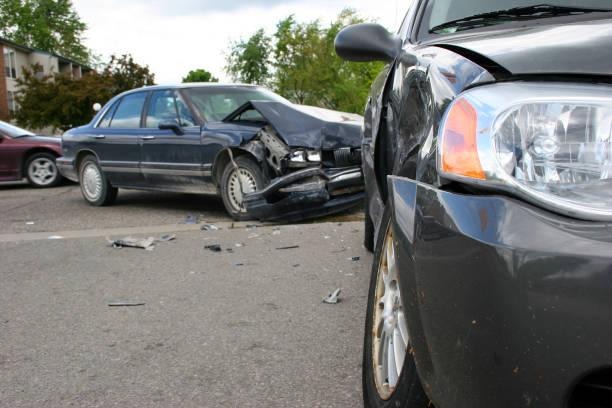
Intersections create a strange kind of pressure every single day, largely unnoticed by the people navigating them. Multiple drivers, cyclists, and pedestrians all arrive at roughly the same moment, each with their own intentions about where they need to go next.
Without some shared framework governing that moment, every intersection would essentially become a negotiation, with drivers guessing at each other’s intentions and hoping for the best. That kind of ambiguity would make ordinary intersections considerably more dangerous than they actually are.
That’s precisely the role right of way rules play, transforming what could easily become chaotic, competing intentions into an orderly, predictable sequence that most drivers navigate successfully without even consciously thinking about the underlying rules involved.
Right of Way Is Often About Who Must Yield
Despite how the phrase sounds, right of way doesn’t typically grant anyone an absolute entitlement to proceed regardless of circumstances. Traffic law generally defines these situations through obligations to yield, rather than establishing a guaranteed right to move forward immediately.
That distinction matters considerably in practice. Even when someone technically has right of way, they’re still expected to react reasonably if another driver, cyclist, or pedestrian fails to yield appropriately, rather than assuming their theoretical priority guarantees actual safety.
Thinking about right of way this way shifts the framework from entitlement toward responsibility. It’s less about who gets to go first and more about who bears responsibility for waiting, watching, and reacting appropriately to whatever other road users actually do.
Four-Way Stops Turn Arrival Time Into a Conversation
Stop-controlled intersections introduce their own specific logic. Generally, the vehicle that arrives first typically proceeds first, creating a system based largely on sequence rather than any other factor like vehicle size, direction, or perceived urgency.
When multiple vehicles arrive at roughly the same moment, additional considerations often come into play, helping determine who proceeds next. These situations require drivers to communicate through observation and predictable behavior rather than relying on any formal signal or indicator.
That informal negotiation happens constantly at four-way stops without most drivers consciously recognizing it as a negotiation at all. Understanding the underlying principles helps make these interactions smoother and considerably more predictable for everyone involved at the intersection.
Left Turns Create a Built-In Conflict
Left turns introduce a particularly common source of confusion and risk. A vehicle turning left generally has to yield to oncoming traffic proceeding straight through the intersection, along with any pedestrians crossing within the relevant crosswalk at that same moment.
Signals add another layer of complexity, since turning arrows and standard green lights can create different rules depending on the specific intersection and signal configuration involved. Misjudging oncoming traffic speed or distance remains a common factor in left-turn related collisions.
Because left turns require crossing directly through oncoming traffic, they inherently carry more built-in conflict than many other maneuvers. Understanding exactly who’s required to yield in these situations helps reduce the uncertainty that often accompanies this particular type of turn.
Having Priority Doesn’t Make a Collision Okay
Even when someone clearly has the right of way under applicable traffic law, that priority doesn’t eliminate their obligation to drive reasonably and remain attentive to what’s actually happening around them at any given intersection.
If another driver, cyclist, or pedestrian makes a mistake, whether failing to yield properly or misjudging the situation entirely, the driver with technical priority is still generally expected to react appropriately if doing so could reasonably help avoid a collision.
That ongoing responsibility reflects a broader principle within traffic law generally. Right of way establishes expected behavior, but it doesn’t eliminate the fundamental duty every driver holds to exercise reasonable care and attentiveness while operating a vehicle.
Conclusion
Right of way rules exist to resolve a genuinely universal problem, the split-second question of who waits when multiple road users want access to the same piece of pavement at essentially the same moment in time.
Understanding these rules as obligations to yield, rather than absolute entitlements to proceed, helps clarify how they’re actually meant to function in practice. That framework encourages caution and attentiveness rather than simple assumption of priority.
Ultimately, these rules work because most drivers follow them consistently and predictably, turning what could easily become chaotic intersections into orderly, functional spaces that people navigate successfully thousands of times every single day.