Sascha Zuger Sailed Through the Panama Canal 32 Times. This is What You Need to Know About Panama Canal Cruises.
Sascha Zuger is a travel journalist and author for National Geographic, Condé Nast, Penguin, Random House, Harper and Avalon’s Moon Handbooks. She has explored 68 countries, with over 20 years of her life spent at sea.
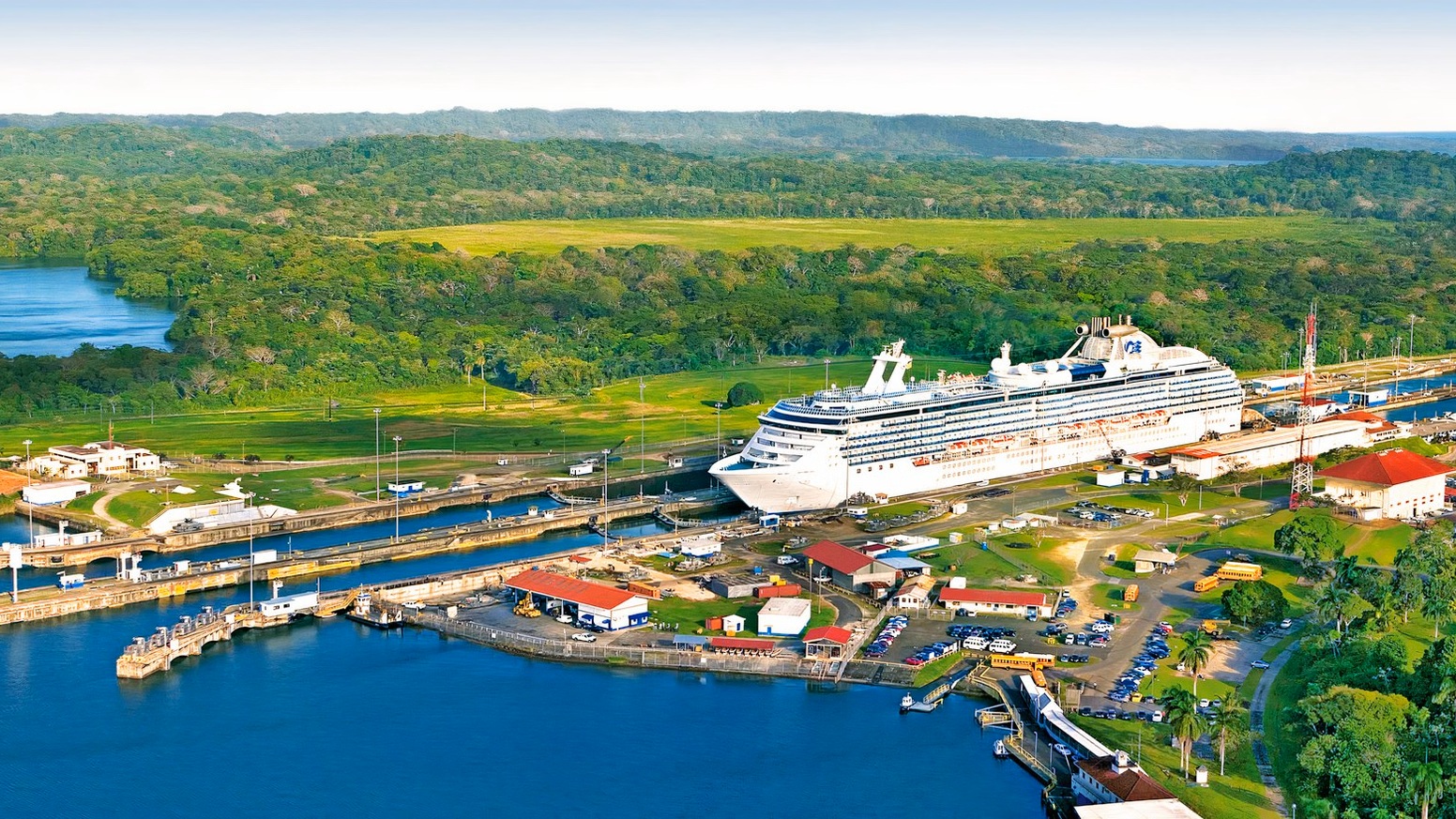
The Panama Canal opened in 1914 after over ten years of construction, creating a lock system rising 85 feet up to Lake Gatun and back down on the opposite coastline. The creation of this unofficial “Eith Wonder of the World” saved trade ships and travelers thousands of miles on each journey, including sailing through the treacherous Drake Passage at the southernmost point of South America. Today, it serves as a fascinating destination on southern Caribbean cruises and a unique shortcut for cruise ships repositioning for the season.
Having lived on cruise ships for the past four years, several of our contracts sent us repeatedly into or through the amazing passage across Panama. We’ve sailed through new locks and old, from the Atlantic to the Pacific, Pacific to the Atlantic, and from the Caribbean Sea halfway through the locks into beautiful Lake Gatun and back dozens of times. This is what I’ve learned that you should know when considering a Panama Canal cruise.
Choose Your Perfect Panama Canal Cruise
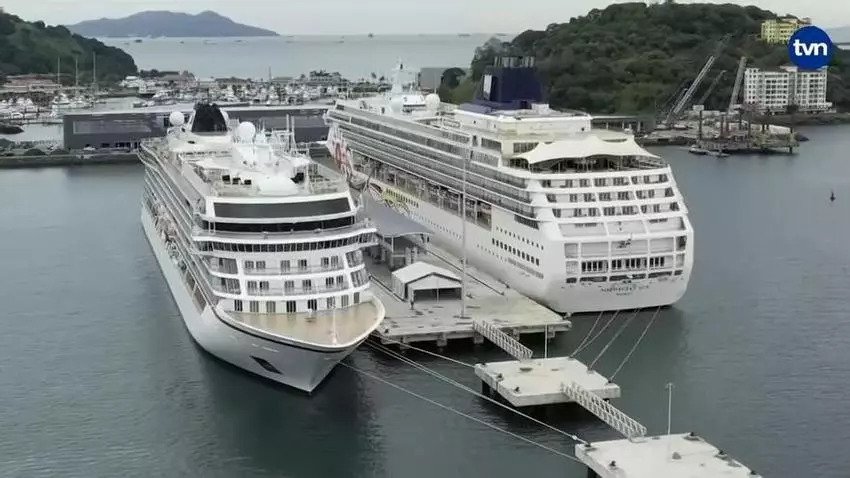
The Panama Canal opened in 1914 after over ten years of construction, creating a lock system rising 85 feet up to Lake Gatun and back down on the opposite coastline. The creation of this unofficial “Eigth Wonder of the World” saved trade ships and travelers thousands of miles on each journey, including sailing through the treacherous Drake Passage at the southernmost point of South America. Today, it serves as a fascinating destination on soutjhern Caribbean cruises and a unique shortcut for cruise ships repositioning for the season.
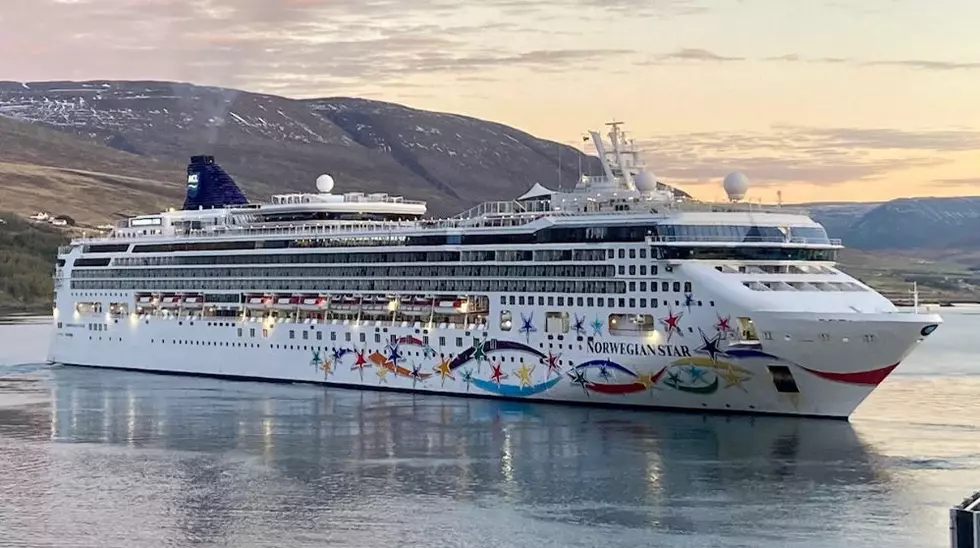
Having lived on cruise ships for the past four years, several of our contracts sent us repeatedly into or through the amazing passage across Panama. We’ve sailed through new locks and old, from the Atlantic to the Pacific, Pacific to the Atlantic, and from the Caribbean Sea halfway through the locks into beautiful Lake Gatun and back dozens of times. This is what I’ve learned that you should know when considering a Panama Canal cruise.
Choose Your Perfect Panama Canal Cruise
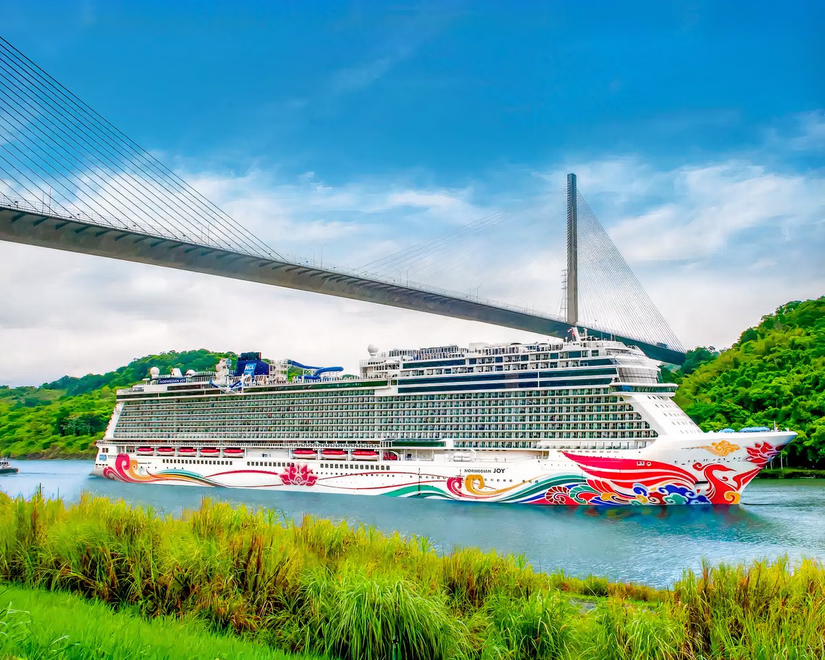
The first step in picking a Panama Canal experience is to decide whether you need to do the full crossing to check this wonder off your list. Having done the full trip in both directions multiple times, unless you are an engineering aficionado, you can get a lot of locks sailing into Lake Gatun and back. Whether you use the original Gatun locks or the newer Aqua Clara locks, the ship rotates in the massive lake before returning through those same triple flight of locks back to the Caribbean Sea.
There are a number of cruise lines that offer partial or full crossings of the Panama Canal:
- Norwegian Cruise Line.
- Royal Caribbean Cruises.
- Princess Cruises.
- Holland America Line.
- Celebrity Cruises.
- Carnival Cruise Line.
The Cost of a Canal Crossing.
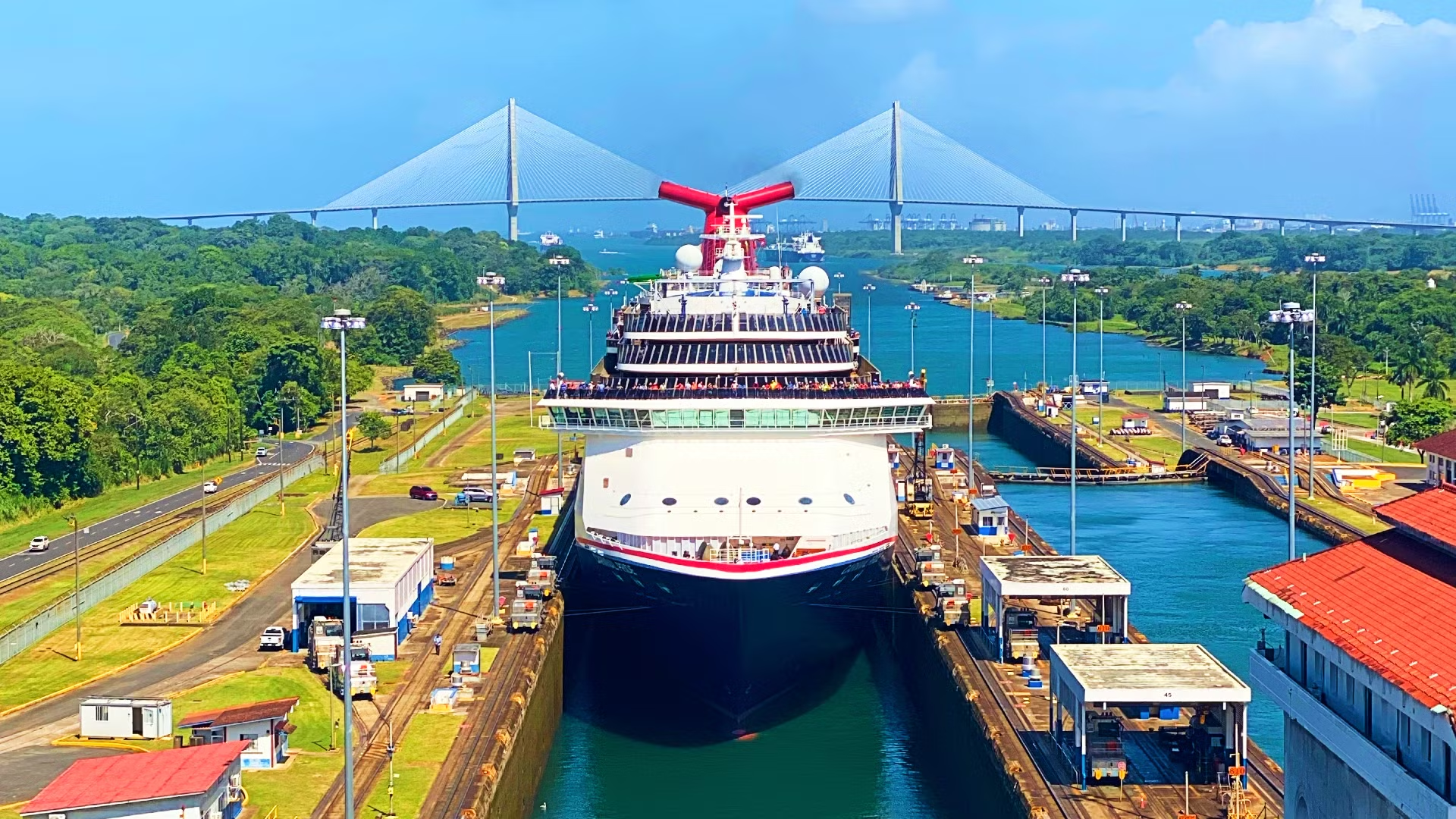
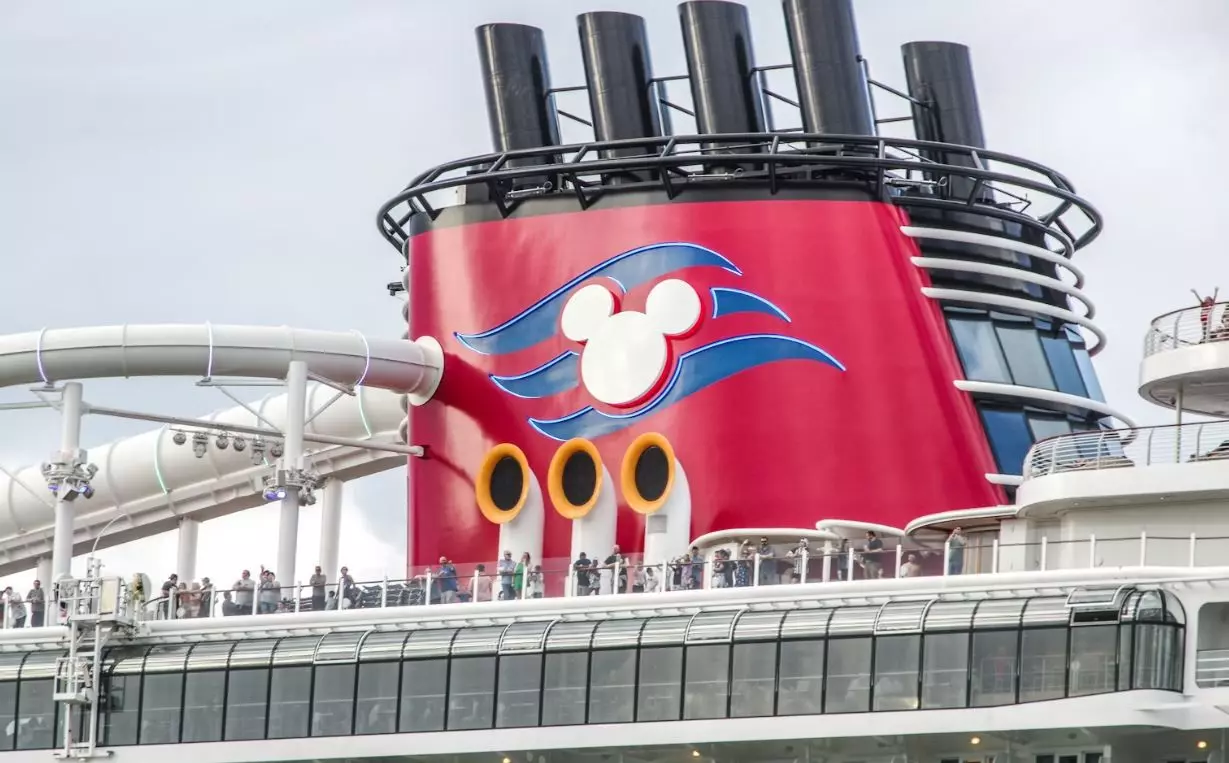
Carnival Cruise Line ship transiting the bucket-list Panama Canal lock system in Panama.
If you notice a bump in the usual port fees and taxes when booking, don’t be shocked. The Panama Canal is big business. Cruise ship fees are charged based on the total number of passenger berths, even when sailing partially empty. These fees can reach $150,000-$400,000 for small cruise ships and up to a million for the newest giant cruise ships using the NeoPanamax locks. The entire endeavor is a master of precision timing. Bookings are made up to a year in advance at a non-refundable cost of $15,000-$85,000 per ship just for the reservation. Last minute slots are auctioned off at extreme prices. As you approach the entry to the canal’s locks, you will see a bay filled with ships waiting for their turn, some arriving the night before so as not to chance missing their slot.
The Mules of the Panamax Locks Lake Gatun.
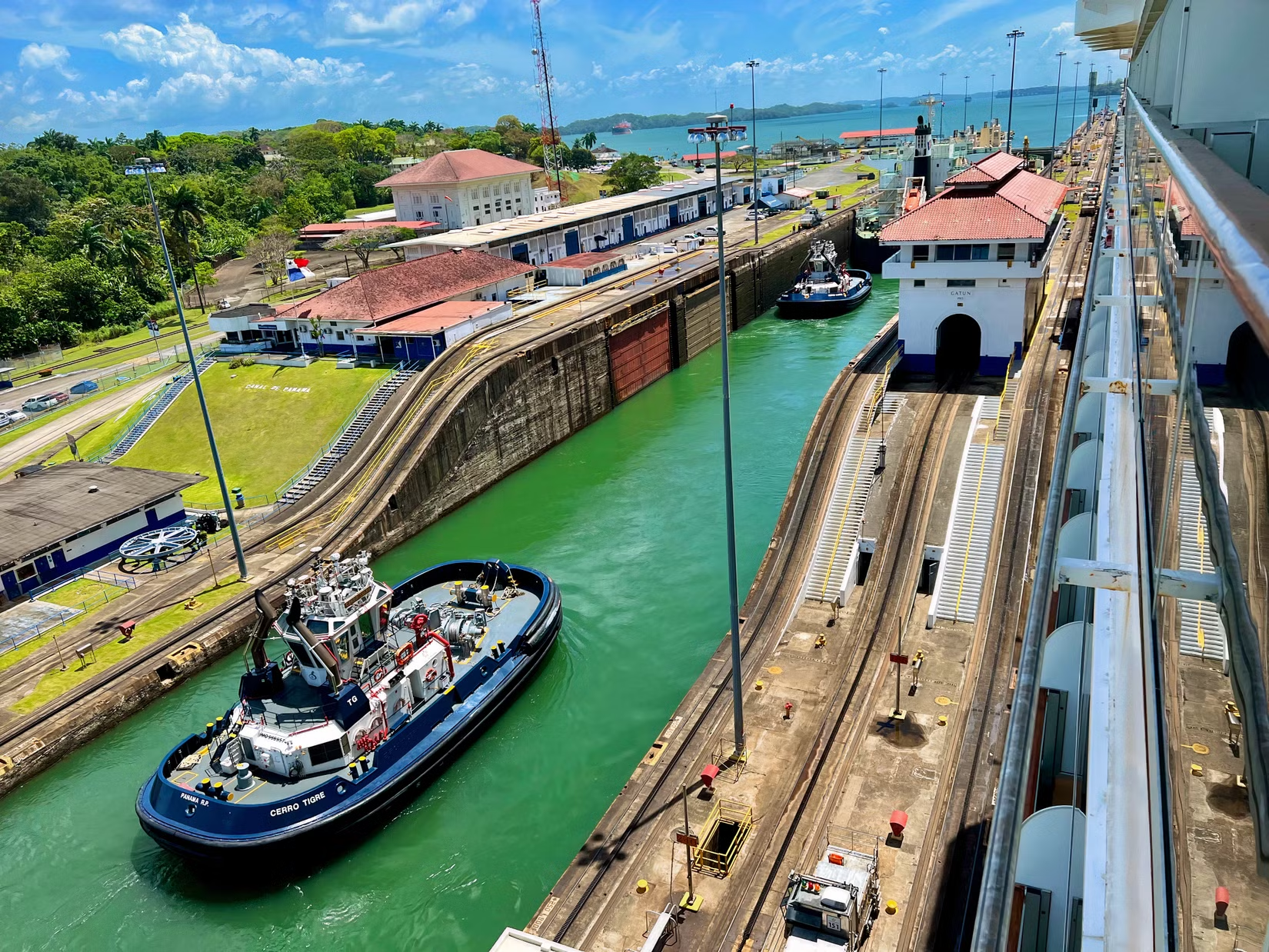
The original Panama Canal locks were finally built more than four centuries after Conquistador-explorer Balboa first mused on the concept. As cruise ships and cargo vessels expanded in size, a newer set of locks running parallel to the original was added a century after that. Over 50 million gallons of water are used in order to lift a ship and then lower it back on the canal for each crossing. Locomotive mules are tied by lines to the ships in the original locks to help keep them centered as they pass.
The size of the ship will determine which set of locks you use. I personally prefer experiencing the original locks, if possible. When you stand on the decks and look down over the side of the ship, it is stunning to see mere inches of space between the concrete walls and the hull. The “mules” are charming as they chug along, tied by lines to keep the ship precisely even so as not to scrape. They are so named after the actual mules which used to do the same job for small boats passing through lock systems. If this cruise inspires you, you can book a mule-drawn canal boat ride down the C&O Locks near Washington DC.
The NeoPanamax Locks of the Panama Canal.
The NeoPanamax Locks opened in June 2016, just over a century after the original Panamax Locks, with an expanded width to accommodate larger ships. The newer locks run parallel to the original, just a mile away on the same path. As you are passing through one set of locks, you can actually look across to watch cargo and cruise ships traverse the other. I always find it comical, because the lush greenery makes it look like the other ships are sailing atop the jungle canopy. The NeoPanamax Locks work through a different engineering concept. Instead of hollow steel miter doors which swing open to allow the water to flow through to raise or lower the vessels, rolling gates smoothly slide open for a more efficient passage. Tugboats on the NeoPanamax Locks take the place of the classic locomotive “mules” to guide large ships into place and through the system.
Wildlife of the Panama Canal.
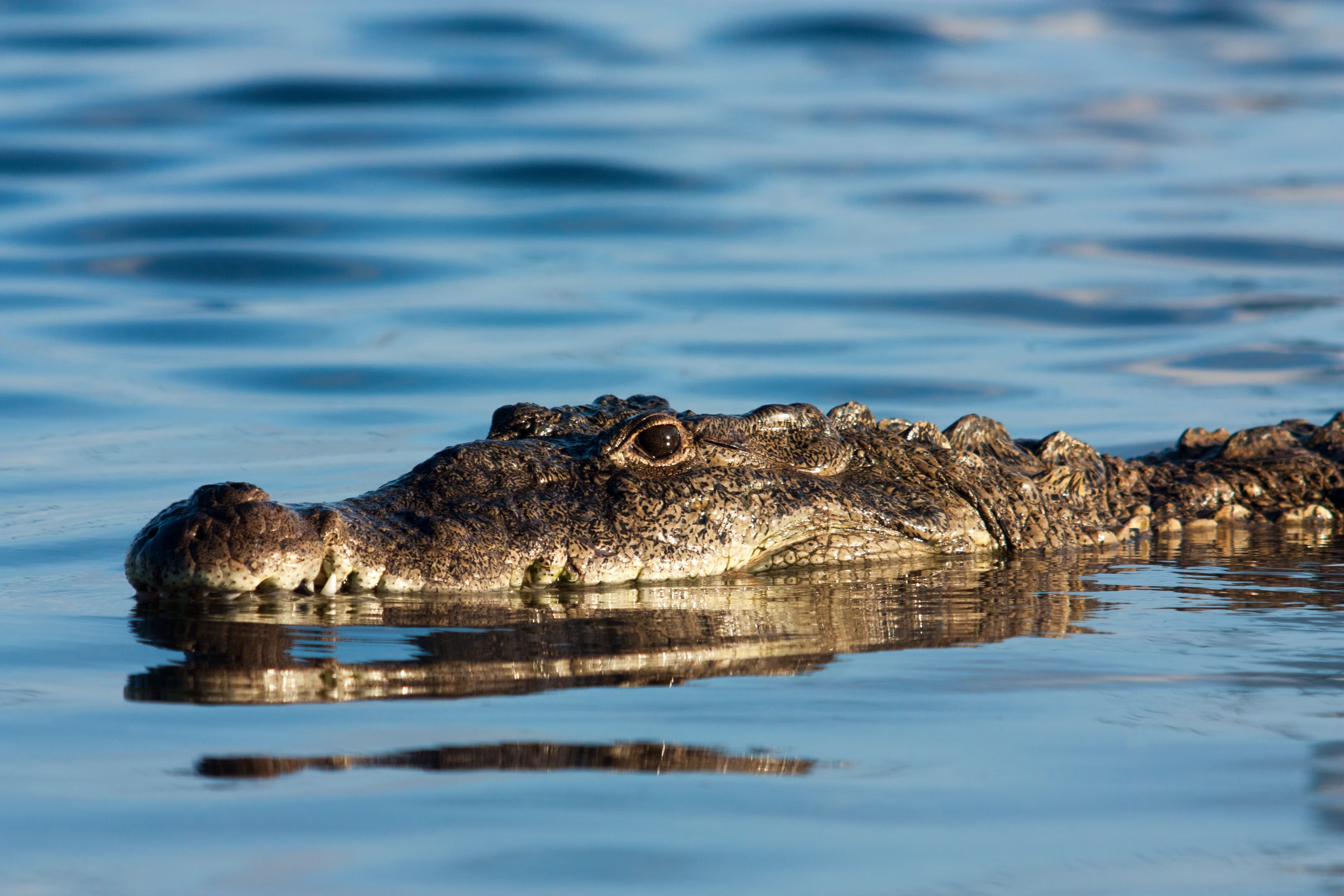
The lush verdant jungle is thick, making it an ideal habitat for wildlife. I have spotted ospreys, iguanas, massive herons, macaws, and even monkeys (with the help of my binoculars) from the ship during a crossing. On numerous trips we have seen American crocodiles swimming right alongside the ship or basking at the edge of the canal. Once we even had a toucan fly overhead, obvious from its distinctive bill. Some wildlife lovers opt for a Gatun Lake excursion which tours the 21-mile stretch of artificial freshwater reservoir. This can include additional wildlife viewing or fishing, as well as a stop at a reserve to see monkeys and sloths. Many of these tours include a return via coach to rejoin the ship in Colon, so consider your priorities when booking.
Live Webcam Feeds at Gatun and Miraflores Locks.
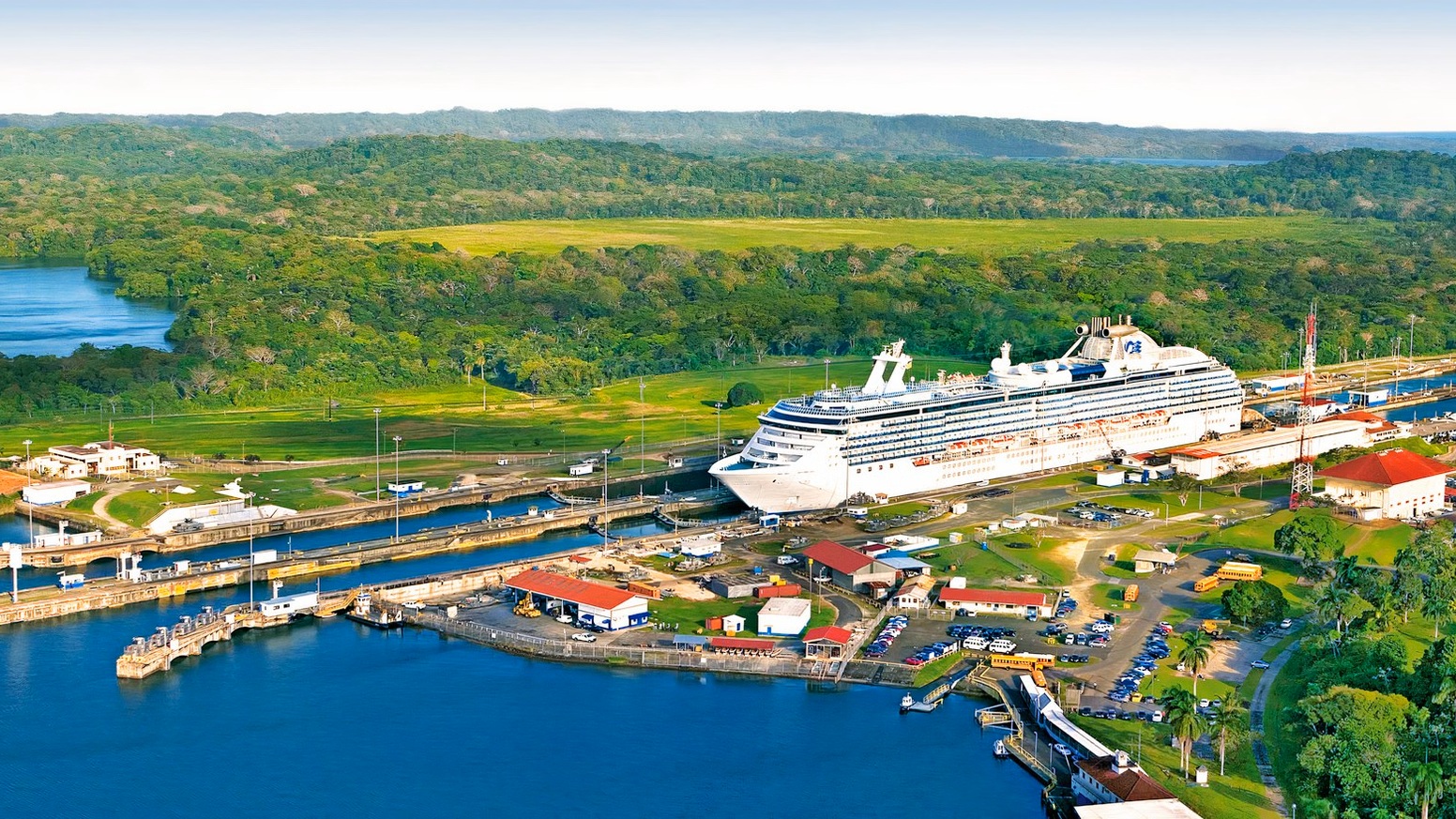
Another unique thing which my family found fascinating was that the Panama Canal Authority has real-time webcams tracking passing ships. You can share a link to the website with friends and family and then give them a wave as you pass. Wearing a bright color can help you stand out on the footage, as will picking an empty spot on the top deck on which to stand. The cameras update every 5–10 seconds so be sure to hold your pose. Your ship can share the timing to best help share your experience.
Tips for Crossing the Panama Canal.
Do not wake up late. The vision of passing below the Bridge of the Americas or the Atlantic Bridge pictured below in the morning mist is magical. Some cruise lines offer early morning treats. Holland America’s famous warm Panama Rolls, a soft brioche with apricot cream filling, passed out on the bow and outdoor decks is not to be missed.
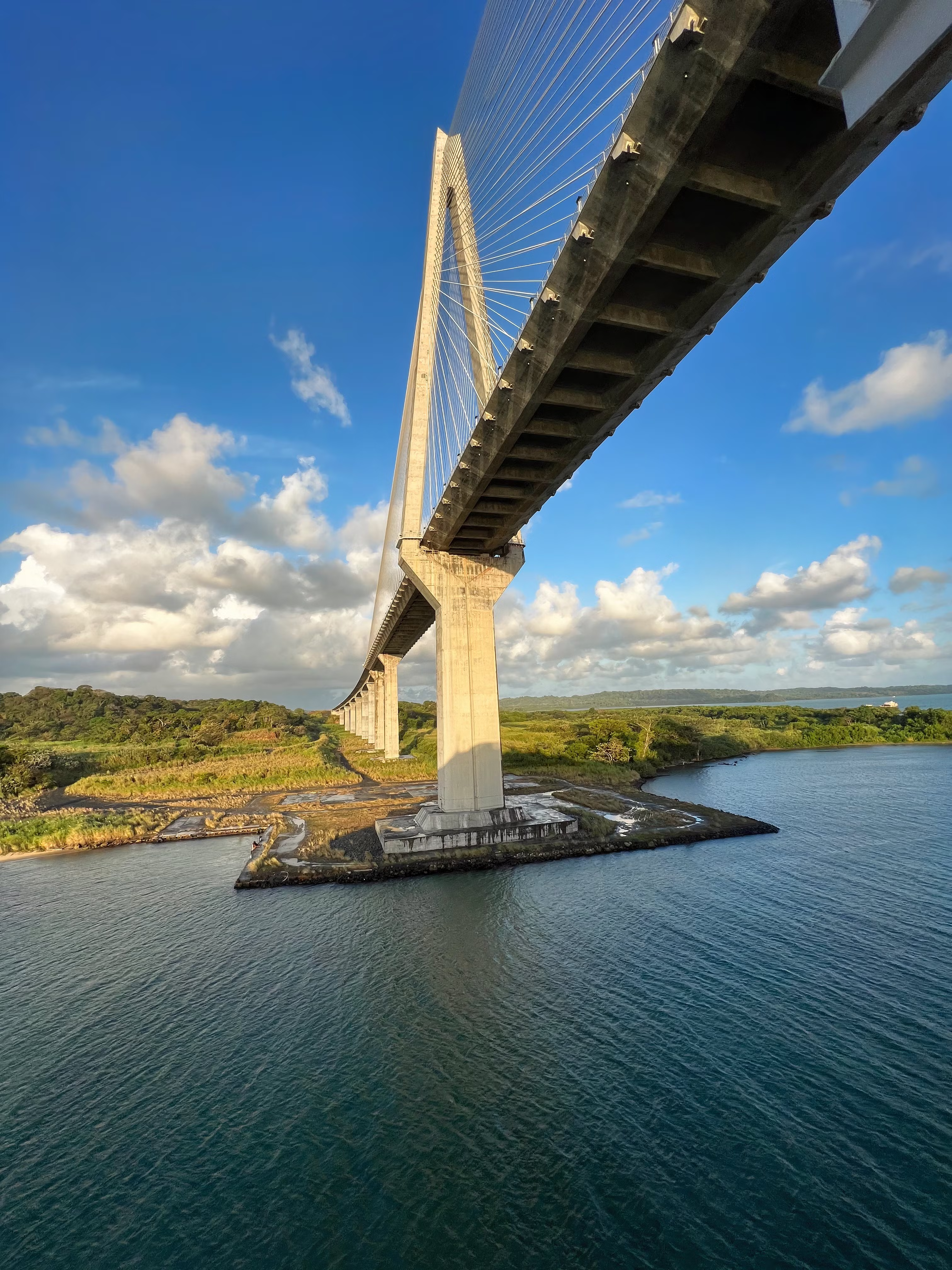
Book your lunch or afternoon tea reservations in advance, requesting a window seat. You won’t want to miss any of the action while breaking for a nosh, and the ship rising and falling is impressive to see from the side. Find your spot, but also move around to enjoy different angles of the experience. Don’t forget to wave at passing ships in the adjacent lane, many crew members will be on deck, equally wowed by the experience. This is a world-wide passage for trade and cargo. Check the stern for the other ship’s origin. Go to an onboard lecture or brush up with a book or documentary in advance to fully appreciate the undertaking and engineering miracle at its completion. Many ships will offer guests lecturers or run programs on the stateroom televisions.