Banks in Panama will Eliminate Some Fees in January 2027.
The regulations directly establish the services and operations in which banks will be prohibited from applying any additional fees or charges. Banking institutions will have to adapt their systems and operations before the rule comes into force, set for January 4, 2027.
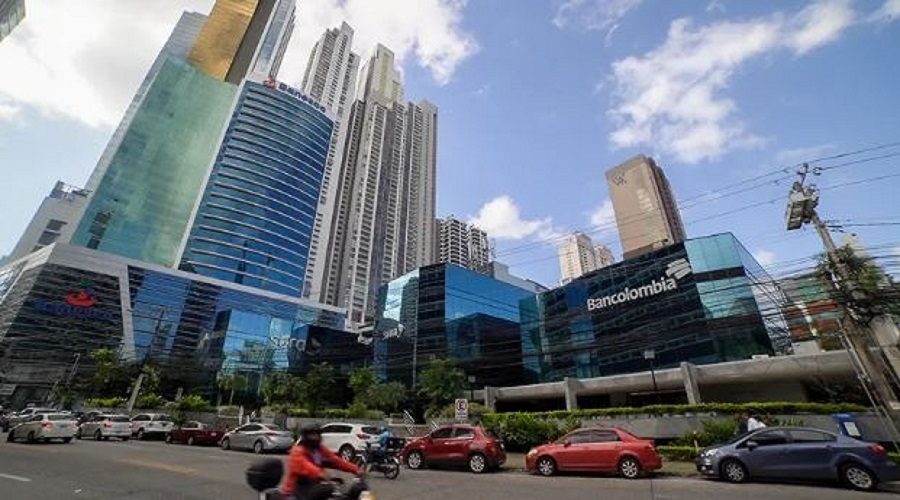
The Superintendency of Banks of Panama (SBP) approved Agreement No. 7-2026, establishing new financial protections that prohibit charges for withdrawals, balance letters, payment history and early cancellation of certain loans. From January 4, 2027, citizens will have new protections against the charging of fees and surcharges by banking entities. The regulations directly establish the services and operations in which banks will be prohibited from applying any additional fees or charges.
– In-person cash withdrawals: No fees will be charged for cash withdrawals from savings or checking accounts made at teller windows or branches.
– Cash deposits: In-person deposits are exempt from fees. The SBP classifies deposits exceeding $10,000 in a calendar month as high volume. For coin deposits (including $1 coins), the limit is $5,000 per month.
– Designation or change of beneficiaries: No cost for savings accounts, current accounts and fixed-term deposits.
– SWIFT message confirmation: Issuing confirmations for these transfers will not generate a charge.
– Bank reference and balance letter: It is prohibited to charge for the issuance and delivery of the bank reference letter, as well as for the certificate of the credit situation or balance letter of the debtor.
– Payment history: Customers can request their payment history free of charge once a year.
– In-person payments: No fees for making payments directly at the bank in person.
– Failure to present policy renewal: It is prohibited to charge for failure to present a renewed insurance policy. If the client demonstrates delivery of their individual policy and is still charged or included in a group policy, the bank is obligated to reverse the charge immediately.
Regulations on Loans and Mortgages.
The agreement introduces significant changes regarding early cancellation, extraordinary payments, or loan migration:
– Mortgages for Housing: After more than five years from the originally agreed term, no commission can be charged for early cancellation, extraordinary payments or migration to another bank.
– Interest Rate Increase: If within the first five years the bank modifies the clauses and increases the nominal interest rate, it loses the right to charge penalties or fees for the migration or cancellation of the loan.
– Total Prohibition: It is prohibited to charge fees for early cancellation at any time in consumer, agricultural and mortgage loans under special preferential interest laws.
Rules for Principal Payments and Customers in Arrears.
Agreement No. 7-2026 includes two key operational provisions for user service:
– Application of Surplus Funds to Principal: When a customer makes a payment exceeding their agreed installment amount, the bank must apply the surplus directly to the outstanding principal. This money cannot be used to pay interest or future installments that are not yet due.
– Access to Electronic Banking in Arrears: Entities may not restrict access to online banking to those clients who are in arrears, guaranteeing that they can consult their credit information at all times. Banking entities must adapt their systems and operations before the rule comes into force, set for January 4, 2027.