What Actually Moves the Number on a Gas Fireplace Quote
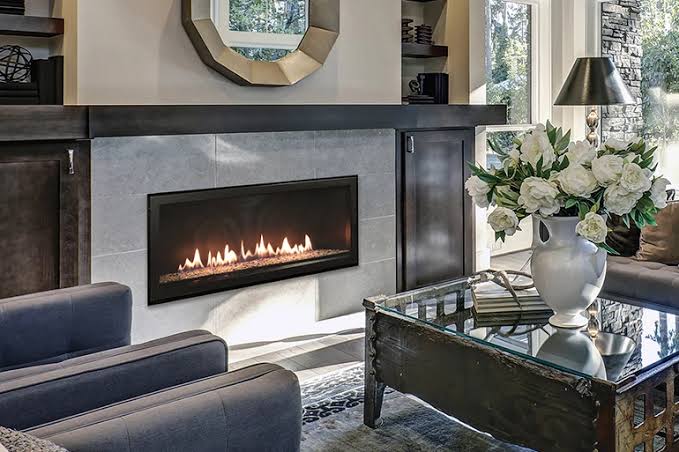
Two neighbors on the same street put in the same model of gas fireplace last winter. One paid a little, the other paid a lot. Same town, same house style, nearly the same square footage. The gap came down to the things nobody puts on the brochure: where the vent had to go, what was hiding behind the drywall, and how much finish work the job dragged behind it. The factors that affect gas fireplace install cost almost never show up on the price tag of the unit itself. They live in the room.
I’ve watched enough of these projects to know the sticker price on a fireplace is the least useful number in the conversation. The box is the cheap part. The install is where budgets drift. So before you sign anything, you want to understand what you’re actually paying for, because a quote you can’t read is a quote you can’t negotiate.
Why the same fireplace gets two very different quotes
Here’s the honest version: most installers aren’t trying to pad the bill. They’re pricing labor they know they’ll need based on what they can see. Two crews can look at your wall and see two completely different jobs depending on what they assume about your framing, your vent path, and how much wall they’ll have to open up.
Ask for a line-item quote, not a lump sum. A good crew will break out the unit, the labor, the venting materials, the finish work, and any permitting. If a quote is one number on a napkin, that’s a red flag, not a deal.
When you compare quotes, ask each contractor what they assumed about venting and wall access. The answers tell you more than the total. And if you’re still choosing which unit to buy, the model you pick shapes the install complexity just as much as the room does.
The room is half the invoice
Before anyone touches a pipe, the crew has to figure out how warm air and exhaust leave the room. That single question drives a surprising share of the labor. A short, straight vent path is cheap. A long run that snakes around a corner, or one that has to climb through a second floor, is not.
Take a ground-floor wall against an exterior chase. Straight out, simple cap, done in an afternoon. Now take the same fireplace on an interior wall with a finished basement below and a bathroom above. The vent has to go up, out, and around, and that’s a whole different day of work and a whole different materials list.
Wall type matters just as much. Framed drywall is forgiving. Brick and stone mean cutting, and possibly masonry work that needs its own specialist. If you’re curious how a vented unit actually sheds heat and exhaust, the Department of Energy has plain-language material on home heating that’s worth a read on a slow evening.
One thing I’d push you on: don’t let a crew talk you into a vent path that “works” but fights your house. A slightly different model or placement often solves what looks like a venting problem, and it’s cheaper than a creative detour through three rooms. A unit with a better efficiency rating also pays you back over the winters, which is worth factoring into the total you’ll live with.
Zero clearance versus a metal firebox that needs clearance
Zero-clearance units get a lot of attention because they install cleanly against wood or drywall and fit into walls that have no masonry chimney. That flexibility is real, and it’s exactly why so many new builds use them. It doesn’t make the job automatic though. Clearance rules still exist, and they still have to be followed to the letter.
The National Fire Protection Association publishes the codes contractors build to, and those standards set the clearances around the unit, the vent penetrations, and the materials that can sit near it. If your contractor can’t name the clearance standard they’re following, slow down.
A traditional firebox that needs clearance from combustibles is a heavier job, and it often costs more in structure and finish. My honest take: if you’re building new or remodeling, zero clearance usually wins. If you’re trying to save an existing masonry chimney, you’re playing a different game, and a wood or gas insert may be the smarter spend.
The hidden line items nobody warns you about
Here’s where a quote can quietly grow. A short list of things that show up after the crew opens the wall and the surprises start:
- Drywall repair and repainting after the cut, which sometimes costs more than the venting itself
- Running a gas line from the nearest connection, or adding a shutoff valve where there wasn’t one
- Electrical work for ignition, a fan, or a remote, if the fireplace needs a circuit
- Mantel, hearth, or surround materials, which are finishes and not part of the unit price
- Permits and inspection fees, which vary by jurisdiction and are non-negotiable
None of these are scams. They’re just the things a fast quote tends to skip, and the things a slow, careful quote puts in writing. Ask specifically: is drywall repair included, or will I be calling a painter the week after?
The National Institute of Standards and Technology exists to keep things like this measurable and safe, and its work on building and fire standards is a good reminder that a fireplace isn’t a decorative object. It’s a system with clearances and venting requirements that deserve to be done right the first time.
A simple way to sanity-check any quote
I use a rough method when looking at fireplace numbers: the Room, Run, and Redo test. Three buckets, and every quote should map onto them.
Room is the space. Is it an easy exterior wall, or a tricky interior spot with masonry? Run is the vent path. Short and straight, or long and complicated? Redo is the finish work. How much wall, mantel, and paint does the job tear up and have to put back together?
Score each one high, medium, or low, and you’ll see why one quote sits at the low end and the next sits well above it. It’s a crude tool, but it’s the one I use when a quote feels off. It has never failed me yet.
How you buy the unit worths a mention here: if you pick the model first without thinking about the room, you may end up paying for a venting puzzle later. Pick your room’s constraints first, then let the fireplace follow.
How to keep the final bill close to the quote
Get everything in writing. That includes the venting materials, the permit, the clean-up, and the finish work. Then ask the contractor what could change the price after the wall opens. The answer tells you how well they’ve thought it through, and whether you’re about to get a surprise.
Do your homework on your own house too. Pop a few outlet covers and see what’s behind the wall where the unit will go. Know where your gas line enters and where your main shutoff lives. If your home needs a permit, confirm who’s pulling it, because unpermitted work tends to follow the house long after the crew leaves.
One more thing: schedule in the off-season if you can. Late spring and early summer are quieter for installers, and a crew with room in the calendar is a crew that can afford to do the job right.
A gas fireplace is one of the few home upgrades you’ll notice every single evening. Getting the install right the first time is worth the homework. If you’re tired of guessing, pull two or three detailed quotes, compare them across Room, Run, and Redo, and ask every contractor the hard questions before anyone touches a wall.