“Guardians of Water and Biodiversity” Panama Communities Close to the Mine Unite to Monitor their Rivers.
The program continues more than 12 years of monitoring the water bodies in the area, with direct participation of trained community members, support from Panamanian specialists, and an independent process.
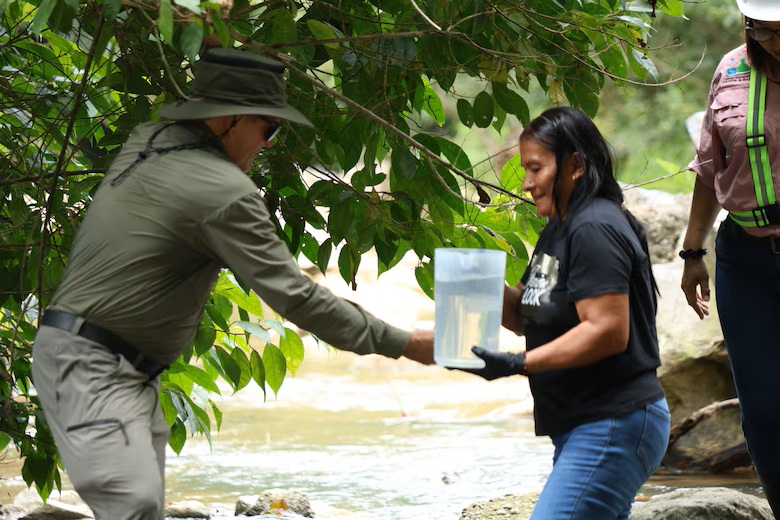
Communities near the mine launched “Guardians of Water and Biodiversity”, a program that will allow residents of 15 communities in the area of indirect influence of the mining operation to participate directly in the monitoring of the Petaquilla, Botija and Caimito rivers, with the support of specialists and scientific tools. The initiative continues a monitoring process of water bodies that has been underway for more than 12 years, even before the start of operations, and seeks to expand the participation of the inhabitants in the knowledge of their water sources and the biodiversity present in these ecosystems.
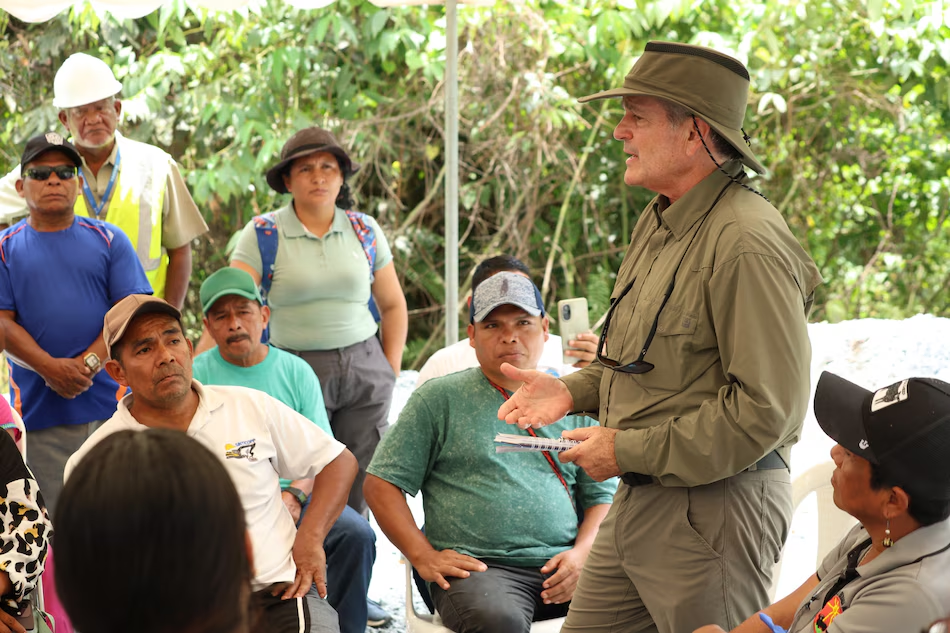
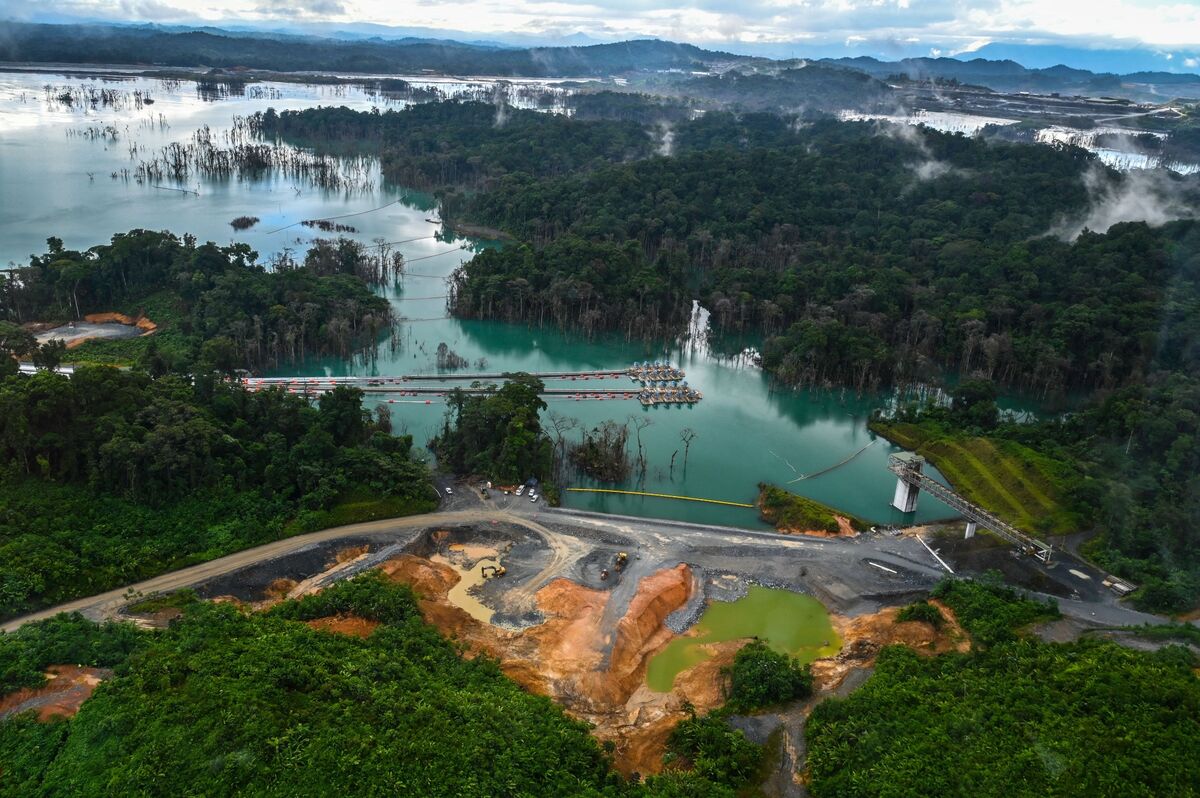
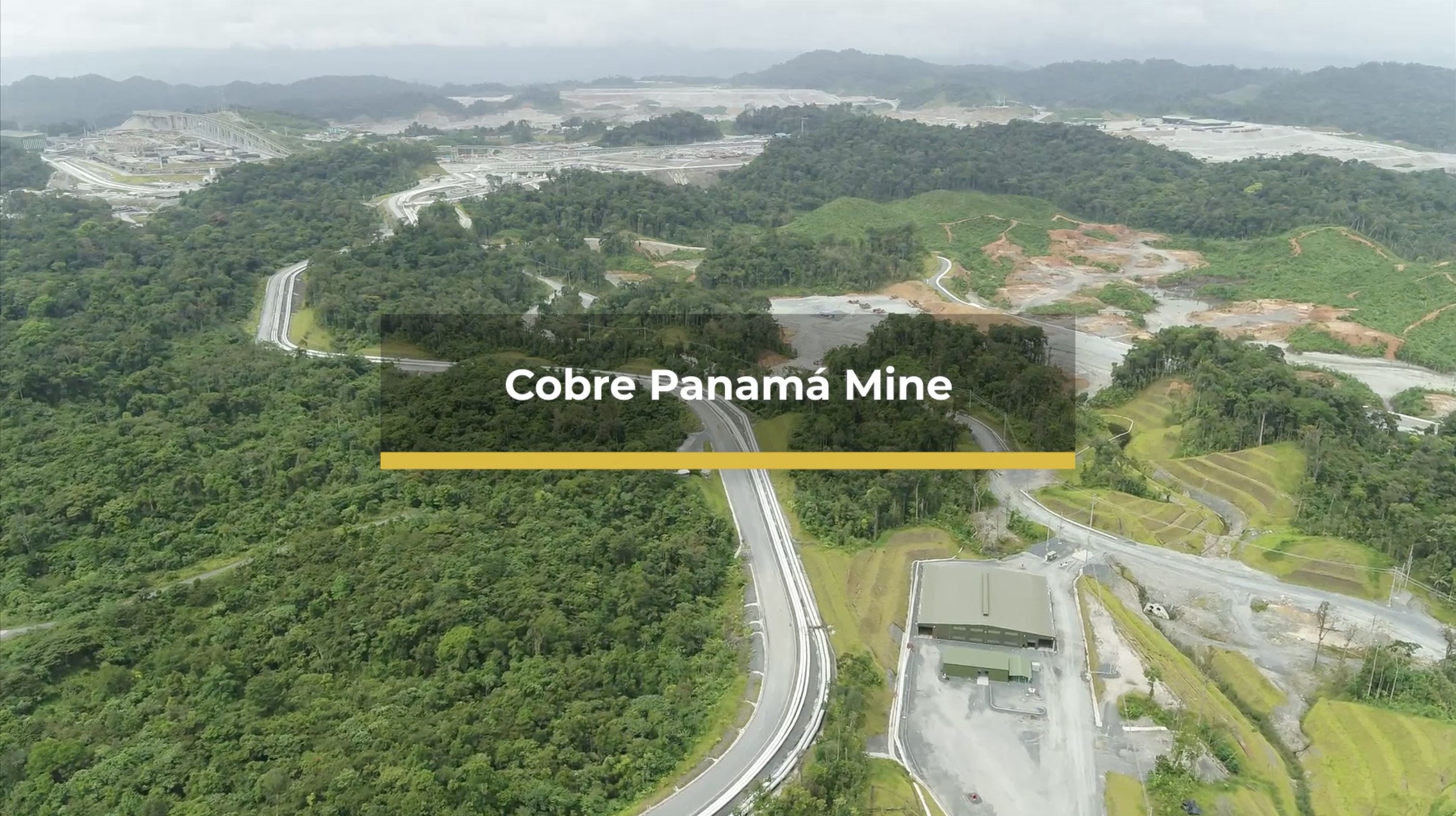
For this first stage, various sampling points were defined in the basins of the three rivers. At some of these sites, samples will be taken from streams or tributaries that are part of the respective watersheds. The first day of fieldwork will take place on the Botija River, in the community of San Benito, Donoso district, Colón province, located approximately one kilometer from the Cobre Panamá open pit mine.
Subsequent fieldwork will be carried out in the Petaquilla and Caimito river basins. Local participants have received several weeks of training on the procedures and tools that will be used during the field days and will have a direct role in taking the samples. Once collected, these will go through a custody process before being sent for analysis to accredited international laboratories, following procedures designed to support the traceability and reliability of the results.
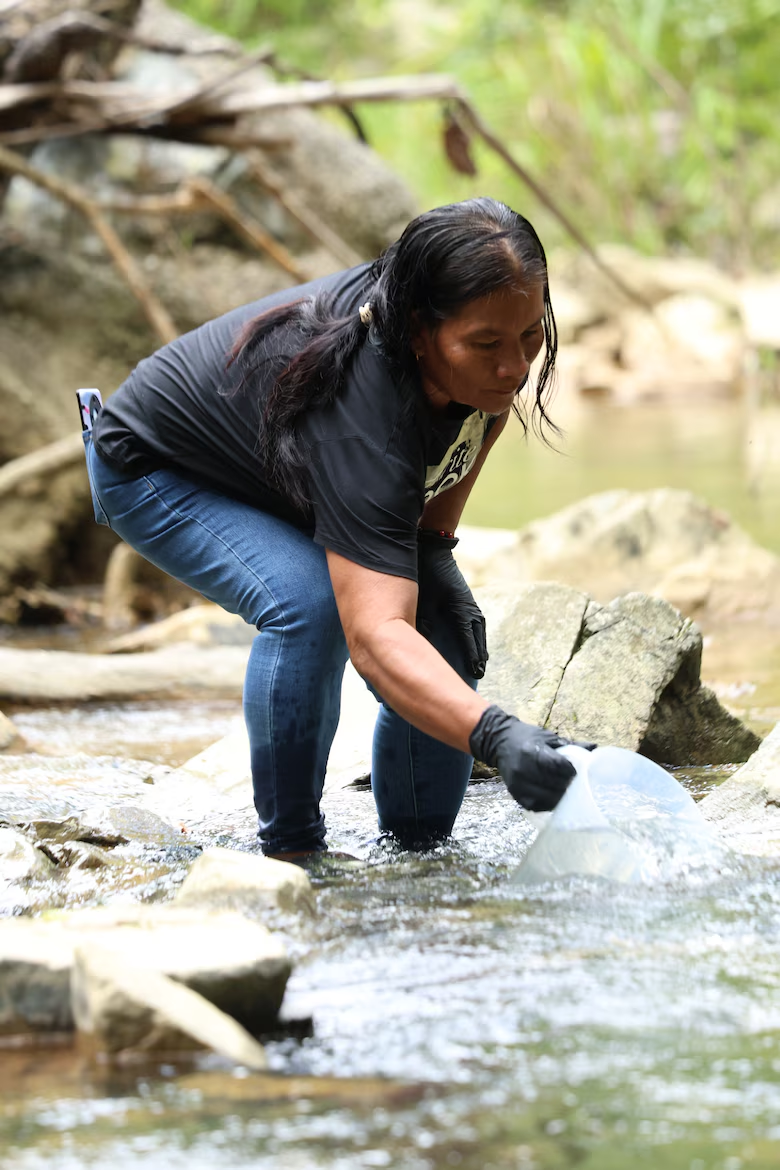
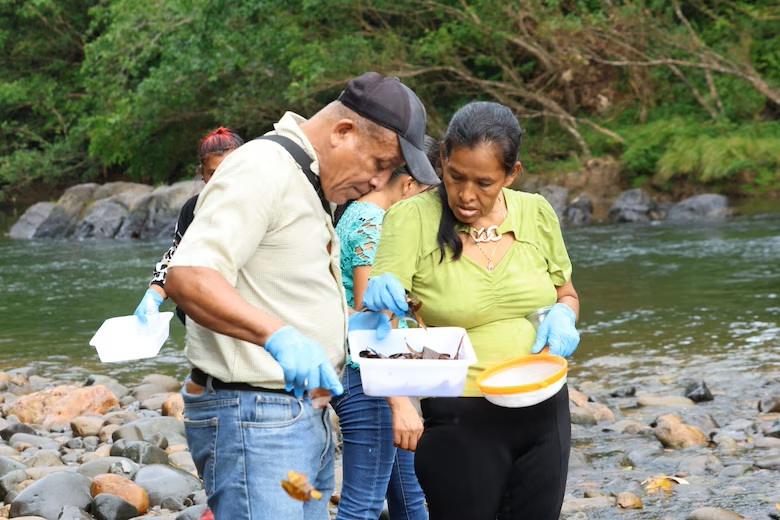
Among the tools that will be used are biological indicators and macroinvertebrate analysis, which provide information on the conditions of aquatic ecosystems and their biodiversity. The results from the various sessions can be compared to generate a monitoring record over time. The technical component will be handled by 100% Panamanian consultants, specialists and biologists, under the technical supervision of Grupo Los Llanos del Pacífico.
“For the Los Llanos del Pacífico Group, this program represents an opportunity to strengthen community participation in understanding and caring for their water sources. Our goal is for community members, as Guardians of Water and Biodiversity, to be not only participants but also key players in the monitoring process, accompanying each day and learning firsthand how the results are obtained and verified. This experience contributes to building local capacity, promoting transparency, and fostering trust through technical information and community participation,” commented Dr. Ana Mercedes Álvarez Franco, director of the Los Llanos del Pacífico Group. It is worth noting that Petaquilla, Botija and Caimito correspond exclusively to the water sources considered for the August sampling, as part of the pilot plan.

The participation of residents aims to ensure that knowledge about their water sources is not limited to the final results, but that they can learn firsthand how the sampling is carried out, what tools are used, and how the data obtained is verified. In this way, “Guardians of Water and Biodiversity” strengthens the capacities of communities to participate in the monitoring of their own water resources, integrating local knowledge with scientific methodologies and generating information that allows us to know the conditions of water bodies and their biodiversity over time.