Panama Influencers are Taking over Journalist Spaces without Having the Necessary Training.
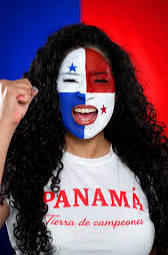
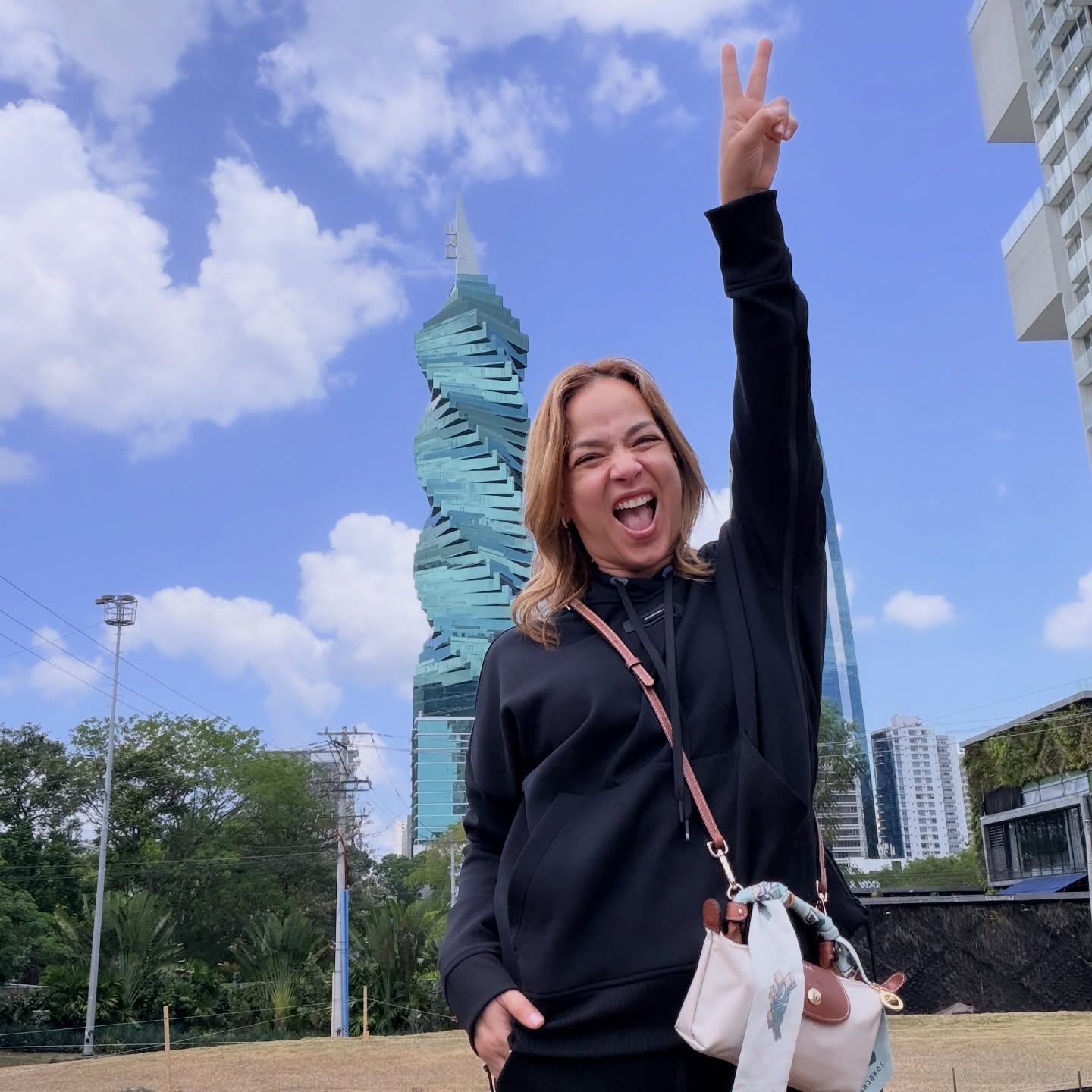
Influencers such as the young woman below, are taking over journalists’ spaces without having the necessary training. The growing presence of Panama influencers and people without academic training in communication within traditional media and digital platforms has reopened the debate on professionalization and the verification of information.
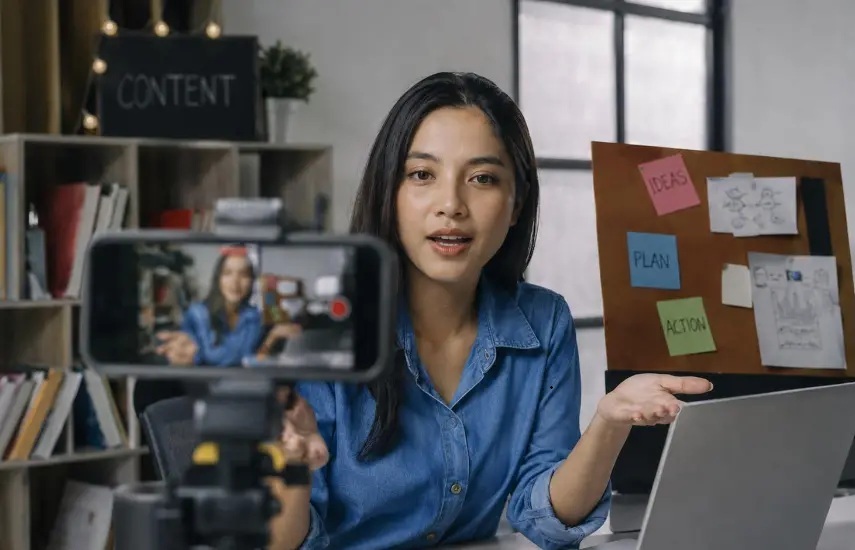
It is becoming increasingly common to see influencers and content creators performing functions that have traditionally been associated with journalistic work.

Their presence is no longer limited solely to social media; they have also begun to gain ground in traditional media, raising questions about the future of the profession and the necessary preparation to inform society.

Zailary Chávez, president of the National Journalism Council (CNP), pointed out that: “This is not a new situation, this has been happening for many years, where there are people working in the media without having the proper training.”

Chávez emphasized that, “we as the National Journalism Council always advocate for the professionalization of communicators, which makes a difference between a media outlet and a person with a social network.
For his part, Pedro Solís, president of the Panamanian Association of Broadcasters (APR), maintained that “traditional media outlets do have a responsibility to verify the content they disseminate.”
Solís asserted that radio, television, and print media currently strive to avoid disseminating unverified news, precisely because of their responsibility to their audiences.
Regarding the measures that media outlets should implement, the president of the National College of Journalists (Conape), Lorenzo González, stated that “television networks and radio stations cannot dismantle their newsrooms to cut costs.
They must require a degree in Journalism or Social Communication for those who lead news and current affairs analysis programs.” He added that, “Conape is promoting the professionalization of the journalism profession.”
“It is essential that institutions remain constantly innovative because changes in this profession occur rapidly. The education provided to future communicators should not be limited to classroom learning, but should also allow them to acquire knowledge in the field.”Journalists must have a degree to hold public office
Although some media outlets allow journalists to practice without a physical degree, in 2024 the Office of the Comptroller General of the Republic registered in its system the names of journalists appointed as directors or heads of communications for institutions and ministries, along with their university degrees.
This is in compliance with Law 32 of November 8, 1984, amended by Law 351 of December 22, 2022, which establishes that all appointments of public servants must be registered with the Comptroller’s Office.
State institutions governed by the Civil Service must comply with the Civil Service’s Occupational Classification Manual.Experts say the key for journalists to continue providing good, responsible news content is preparation.