The Growing Popularity Of Chair Yoga As A Safe Exercise For Healthy Aging
An older person may opt not to continue exercising after one stiff knee, one wobbly step, or one fall and quietly erode strength before it manifests itself as an injury.
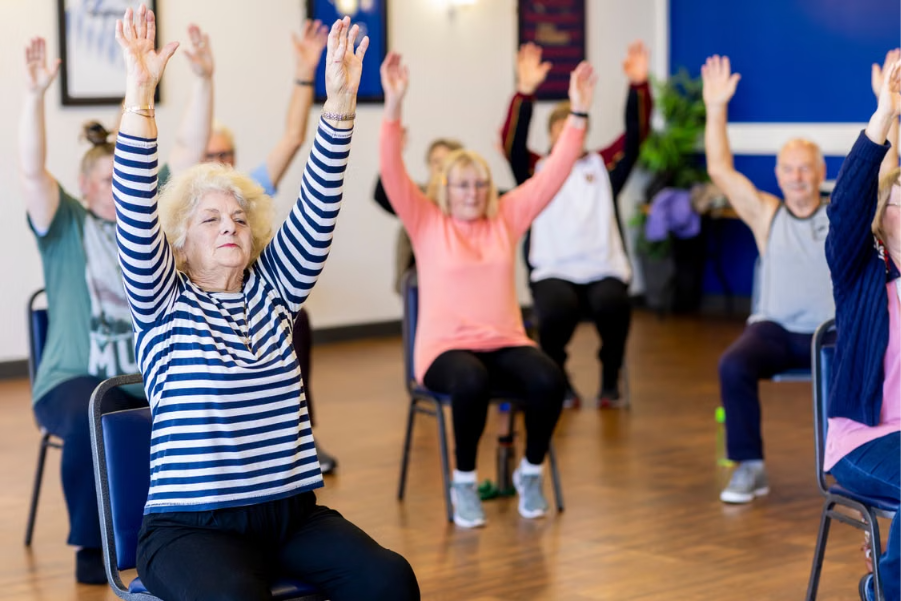
Chair yoga addresses this issue easily—it takes out the two largest obstacles to exercising: standing balance and gym anxiety. It can be performed all while seated and helps strengthen and improve flexibility without getting off the chair.
No mat. No studio. There is no need to catch up with a group of strangers in the room. It is a blend of safety and simplicity that has led more and more seniors to select it each year.
Here are five major reasons why chair yoga is still so popular amongst the elderly.
1. No Gym Required
Chair yoga offers seniors a gentle way to stay active while improving flexibility, balance, strength, and joint mobility. It also helps in maintaining good posture and circulation, and body movements are easier without straining it to the extreme.
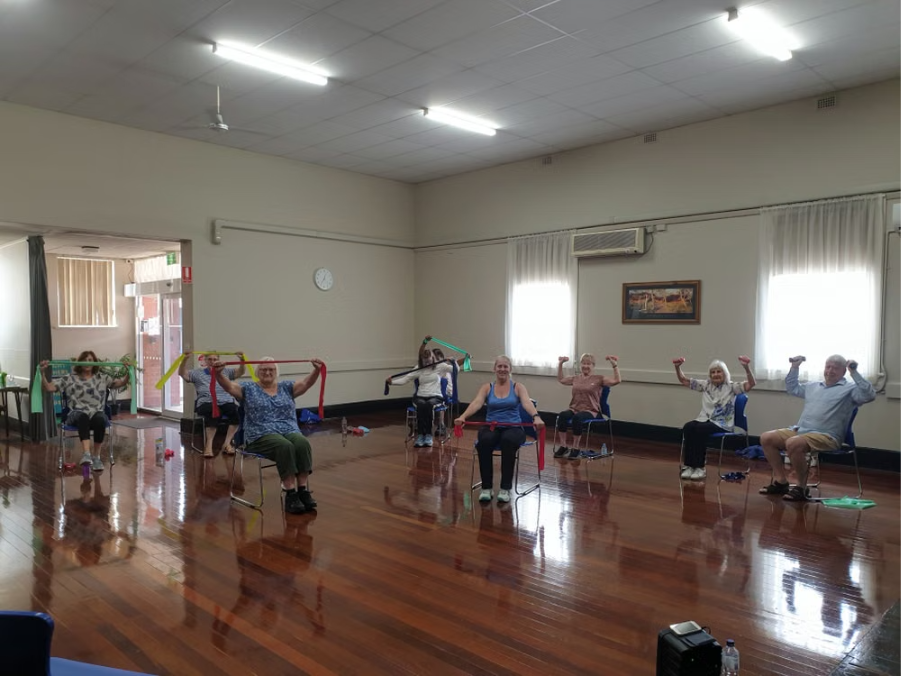
Best of all, there’s no need to travel to a gym or fitness studio. Chair yoga can be practiced almost anywhere with just a sturdy chair, including:
- Living room
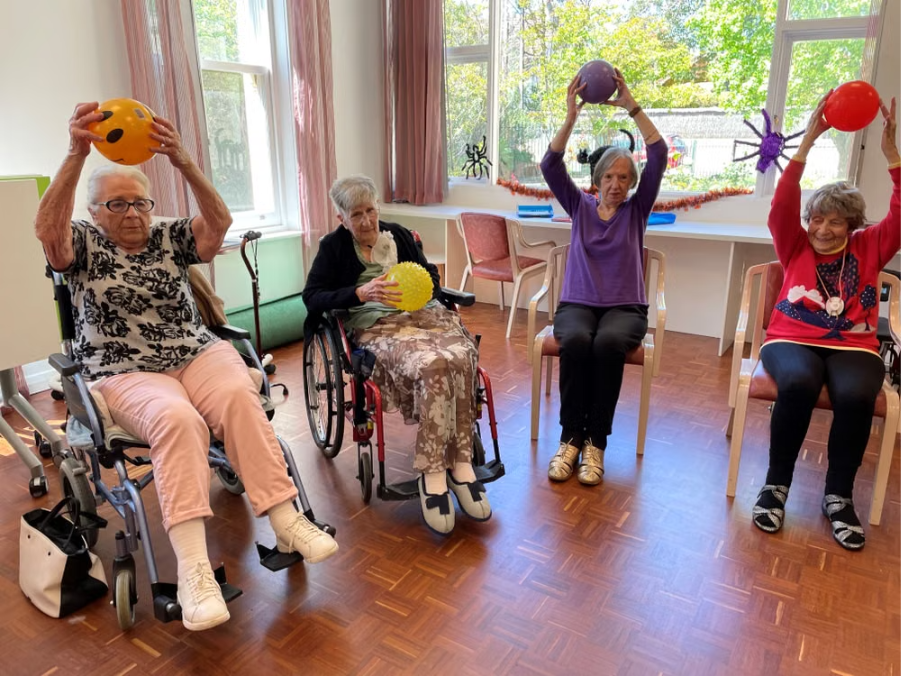
- Care home lounge
- Community center
Sessions may be as short as five minutes or up to forty minutes long, which makes it simple to incorporate movement into the day without the feeling that one is obliged to go through a workout.
Moreover, there’s no need for special workout clothes, expensive equipment, or a gym membership, removing many of the common barriers that keep seniors from exercising.
Having said that, for anyone willing to start, a free chair yoga guide for seniors can be useful as it offers easy practices and step-by-step instructions to assist in developing a safe and regular practice at home.
2. Backed By New Research
It’s more than just a wellness craze on good intentions.
A 2024 study looked at chair yoga participants in care homes, aged 80 to 101, including those living with dementia. Researchers found that after 8 weeks of twice-weekly sessions, there were real improvements in a few key areas:
- Reduced anxiety
- Lower depression scores
- Better overall mood
Meanwhile, a control group that only underwent assessments showed no such change.
Evidence like that has turned chair yoga into more than just a nice-to-have activity and one that occupational therapists recommend. In addition to the increased uptake in senior centers and assisted living communities, virtual wellness classes are also joining the trend, demonstrating an expanding institutional support network for this popular program.
It also provides a tangible incentive for a loved one who is resisting change to give it a go.
3. Builds Balance Safely
Falls continue to be a significant threat to independent living at an older age. It may not be possible for a person with weak knees or poor balance to stand while exercising.
Seated postures incorporate the same stabilizing muscles that are engaged in standing balance but without the fall risk. Preserving that balance is a key to healthy aging, as it enables older adults to walk, climb stairs, and rise from chairs with confidence.
Although strength building is important, it is equally important to rebuild trust in the body, especially since the fear of falling alone can prevent a person from remaining active.
4. Supports Mental Health
Finally, the breathing and slow movements of yoga utilize the chakra system to calm the nervous system, and the calmness over time translates into mood. Some emotional benefits of regular practice that have been noted are as follows:
- Reduced stress
- Better emotional regulation
- Decreased irritability associated with isolation
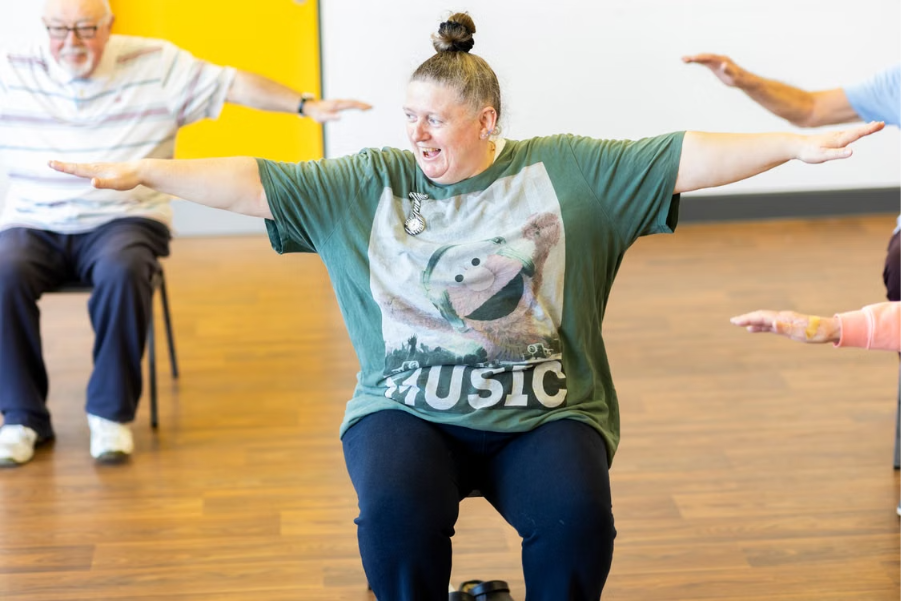
Group sessions also provide a social component, as the participants get together weekly. This mix of body and social interaction is why it’s often cited, especially by instructors and caregivers, as one of the more comprehensive solutions available for elderly people, for mind and body. When it comes to well-aging, mental health is just as significant as physical fitness.
5. Fits Any Schedule
The key to chair yoga is that it’s flexible. A study on fall prevention in older people living in community settings identified that telehealth-based exercise programs have great potential to reach older people, especially those with mobility restrictions and living far from in-person classes.
Chair yoga works perfectly into that paradigm. It can be performed in real time via video, followed along with a recorded routine, or done independently with a printed guide, as time permits. It can fit between chores in five minutes or can be used for an entire class of friends in the afternoon.
This convenience is what keeps older people consistent, and consistency is what ensures that the benefits of chair yoga can help them age well over time.
Conclusion
Chair yoga’s growing popularity isn’t really an accident at all. It provides safety, accessibility, flexibility, and research-supported benefits in one package that is easy to move through regularly for nearly all older adults. It provides a practical way to age in a healthy manner by improving balance, mobility, emotional and mental health, and confidence while maintaining long-term independence.
Chair yoga is one of the more reliable habits that an older adult can develop, given the increasing acceptance of healthcare providers and community programs to incorporate chair yoga into their programming each year.