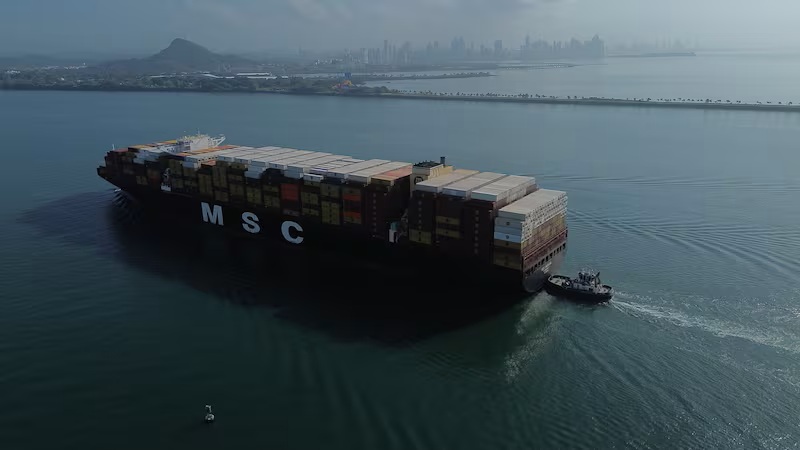
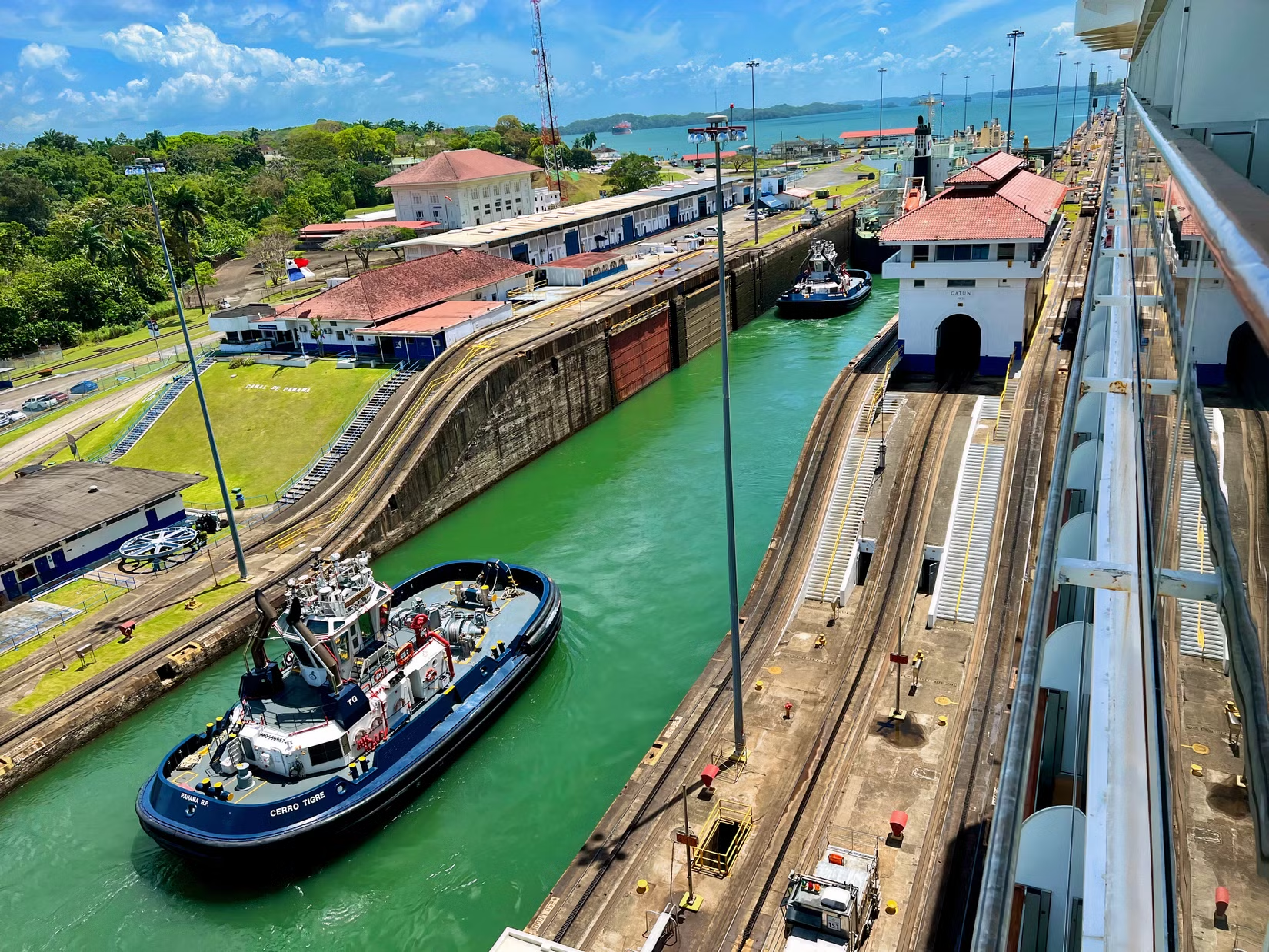
Because of El Niño and a Rainfall Deficit, the Panama Canal Reduces Daily Transit Slots to 34.
The Panama Canal Authority announced new preventative measures in response to a 34% reduction in accumulated rainfall and a 44% reduction in water inflows to the watershed during the current hydrological year. The adjustments will take effect on September 4.
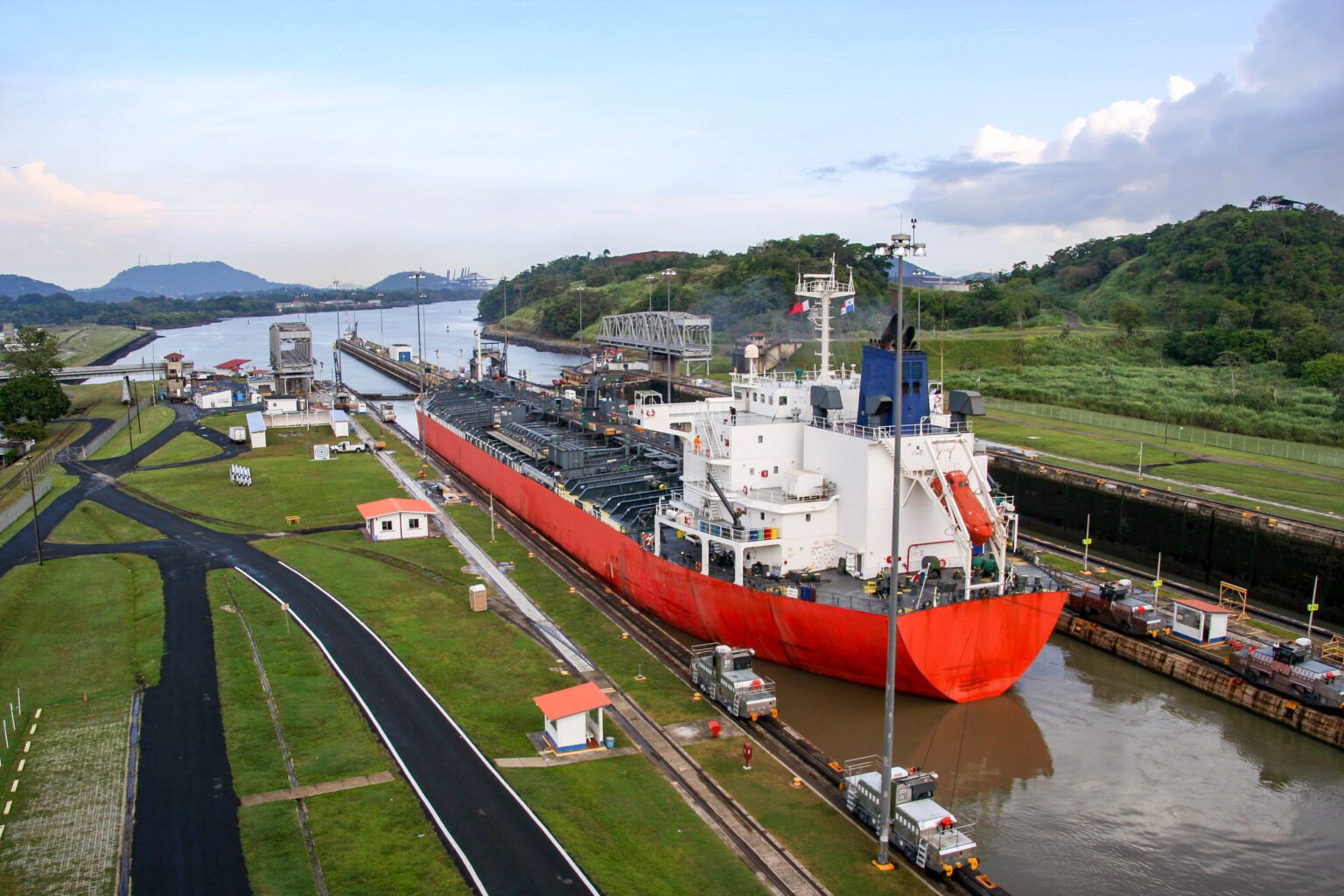
The Panama Canal Authority (ACP) announced to customers new measures to manage the water resources of the interoceanic waterway in light of current basin conditions and forecasts of an El Niño phenomenon in 2026-2027 that could intensify the reduction of rainfall during the coming months. In the first phase, beginning August 21, 2026, for reservation dates from September 4 onwards, the Canal will adjust the number of daily slots available in the Neopanamax locks to nine and in the Panamax locks to twenty-five. In total, the interoceanic waterway will operate with an average of 34 transits per day during that period.
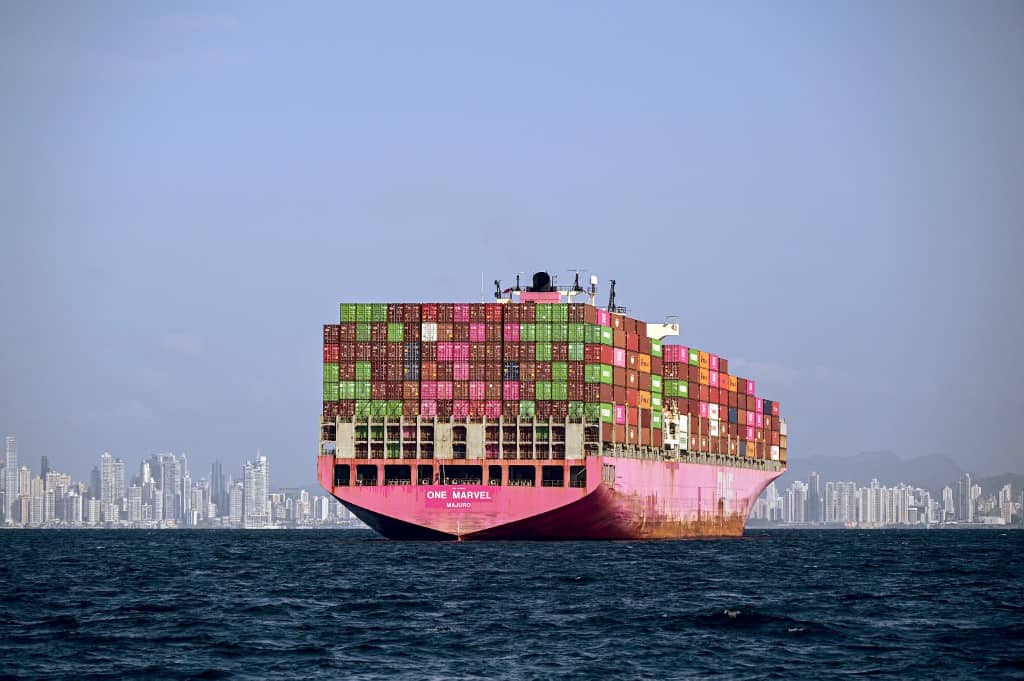
With this modification, during Booking Period 2, only one slot will be offered in the Neopanamax category and one slot for regular vessels in the Panamax category. Furthermore, due to the reduction in available space, conditional slots for Neopanamax vessels will not be available. In the second stage, the ACP detailed that from September 1, 2026, for reservation dates from September 15, 2026 onwards, the total capacity drops from 34 to 32 daily slots. In detail, crossings through the Neopanamax locks remain at 9, while through the Panamax locks, Regular crossings are scheduled at 5 and Super crossings drop from 20 to 18. In this phase, Panamax quotas —Super plus Regular— go from 25 to 23 per day.
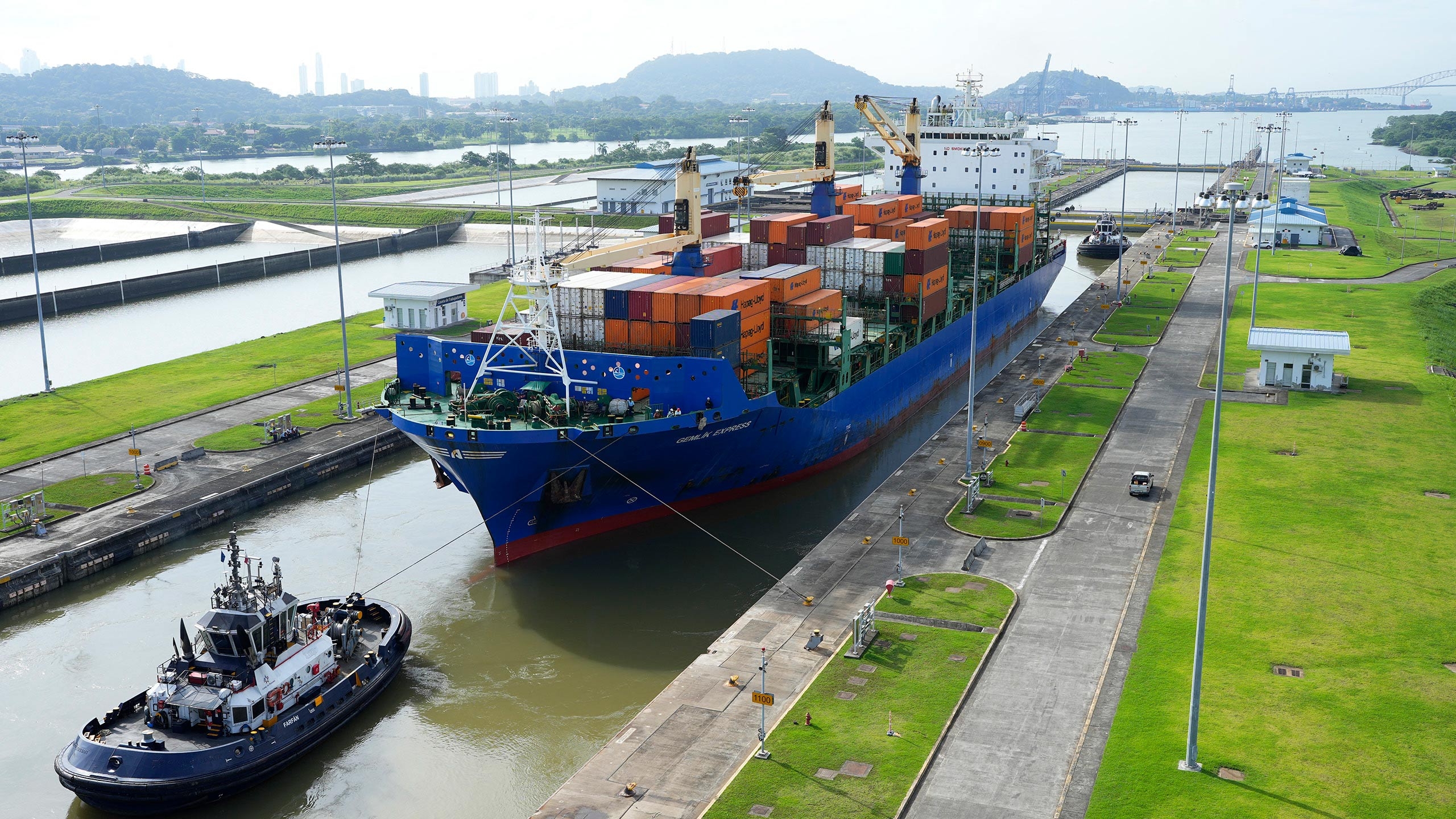
The ACP explained that the decision is due to the current hydrological conditions of the Canal basin. They indicated that during the period from May to August 2026, accumulated rainfall has been 34% lower than the historical average, while water contributions to the basin are 44% below the historical average for that same period. The entity specified that, despite the start of the rainy season in the Isthmus of Panama and the water-saving measures applied in recent months, current conditions require additional preventive actions to guarantee the sustainability of operations.
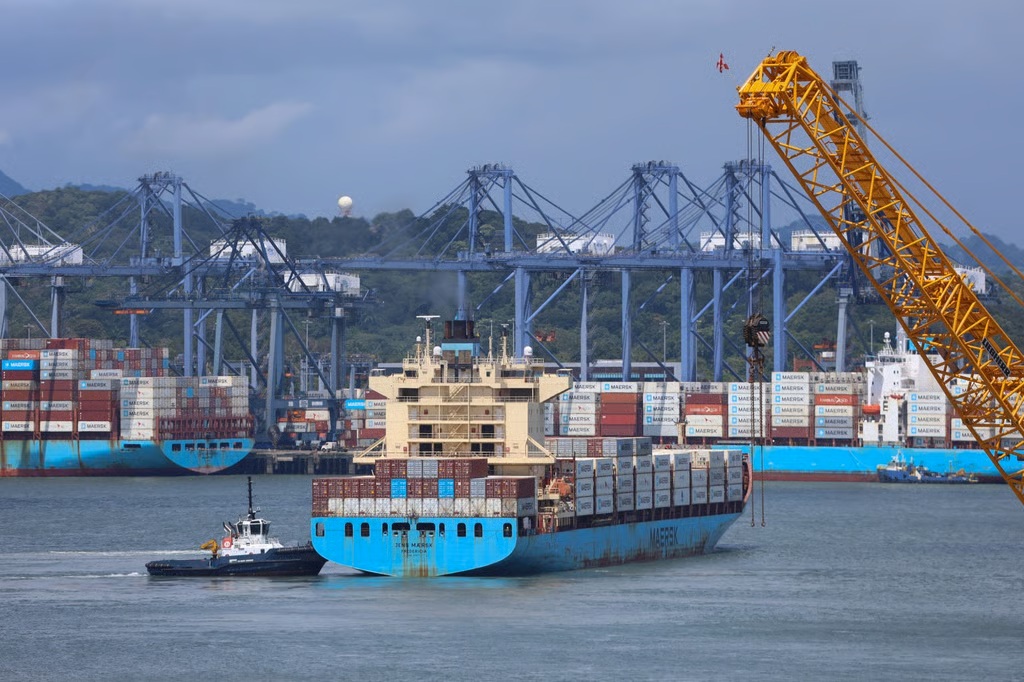
“These measures are being implemented to preserve the reliability of the service, safeguard water resources for human consumption, and provide customers with timely and transparent information to support their travel planning and supply chain decisions,” the ACP said in a communication addressed to shipping agents, owners, and operators. The Canal warned that forecasts indicate that the expected intensity of the 2026-2027 El Niño phenomenon could further reduce rainfall and water inflows during the remainder of the rainy season, increasing concerns about the availability of the resource during the next dry season, expected between January and April 2027.

The Panama Canal Authority (ACP) noted that during the 2023-2024 El Niño event, it maintained constant communication with its clients regarding the waterway’s hydrological conditions, a practice that will continue while managing water levels and the Canal’s operational capacity. The ACP had already implemented several measures in advance due to the forecast of lower rainfall in the watershed of the interoceanic waterway. Since December 2025, the Canal has been implementing various actions to reduce water consumption per transit, including cross-filling of the locks, the use of short chambers, joint transit of vessels, and the suspension of hydraulic assistance when operating conditions allow.

In June, rainfall was 17% below average, which has led the Canal to reinforce its operational measures and prepare for a possible scenario similar to that of 2023 when for several months not only was the draft reduced, but also the traffic. The Panama Canal is currently operating with a draft of 48.5 feet (14.78 meters) in the Neopanamax locks since August 15, which was the third adjustment to the announced schedule: the draft first dropped to 49.5 feet (15.09 meters) on July 3, then to 49 feet (14.94 meters) on July 24 and subsequently to the current 48.5 feet. The program also includes further reductions to 48 feet (14.63 meters) on August 26 and 47.5 feet (14.48 meters) on September 3.