Philippine Boxing’s Golden Era: Champions, Legacy, and the Sport’s Continued Rise
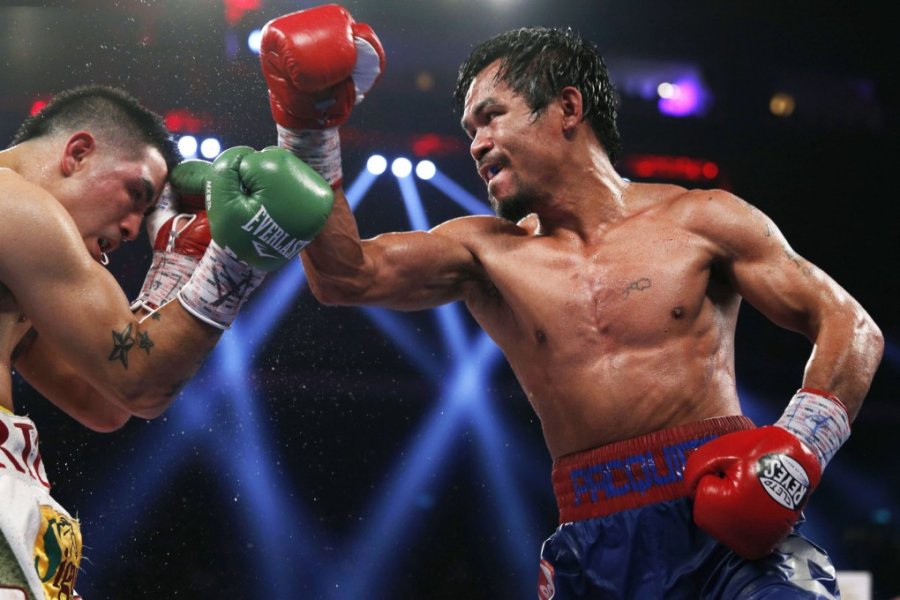
Guest Contribution – Philippine boxing has long occupied a central place in the country’s sporting identity, producing a lineage of world-class fighters who have carried national pride into rings across the globe. As interest in the sport continues to grow, so does attention around fight predictions, odds, and betting markets tied to major bouts. Platforms tracking combat sports wagering, including the megapari sportsbook, have observed increased engagement whenever a Filipino boxer steps into a high-profile matchup, underscoring how deeply boxing is woven into the nation’s broader sports culture.
Few sports carry the same weight of national symbolism as Philippine boxing. Since the early twentieth century, the country has produced fighters capable of competing at the highest international levels, and that tradition continues today through a new generation of filipino boxing champions building on decades of accumulated success. Understanding the current landscape requires looking both at the champions holding titles today and the historical foundation that made their rise possible.
A Storied Boxing Tradition
Boxing arrived in the Philippines during the American colonial period and quickly became embedded in local sporting culture. Early gyms in Manila produced fighters who competed regionally before the sport expanded into an internationally recognized pursuit. By the mid-twentieth century, Filipino fighters were already appearing on world title cards, laying groundwork for the sport’s long-term popularity.
The modern era of Philippine boxing is often associated with a single transformative figure whose career elevated the sport’s global profile beyond what earlier generations achieved. That success created a template for structured training camps, international promotional partnerships, and increased domestic broadcast coverage. As a result, boxing gyms across the country have seen rising enrollment, with many young athletes viewing the sport as both a competitive outlet and a potential pathway to international recognition.
Current Filipino Boxing Champions
The landscape of current filipino boxing champions spans multiple weight divisions and sanctioning bodies, reflecting the depth of talent developed through domestic and international training programs. Titleholders often split time between local training facilities and overseas camps, particularly in boxing hubs known for elite sparring partners and experienced coaching staff.
Success at the championship level typically follows a defined progression: amateur competition, regional professional bouts, and eventually title challenges against established international contenders. Many current champions began their careers in provincial boxing circuits before relocating to Manila or abroad for more advanced training resources.
| Weight Division | Sanctioning Body Presence | Career Stage |
| Flyweight | Multiple recognized titleholders | Established world-level competitors |
| Super Flyweight | Strong Filipino representation | Active title defenses |
| Bantamweight | Competitive international rankings | Building toward unification bouts |
| Featherweight | Rising contenders | Positioning for title opportunities |
The Broader Pool of Filipino Boxing Champions
Beyond currently active titleholders, the broader category of filipino boxing champions includes historical figures whose achievements shaped the sport’s trajectory. These fighters, spanning multiple decades, established records and reputations that continue to influence how the sport is trained, marketed, and consumed domestically.
Historical champions often serve as reference points for younger fighters, with training philosophies and career strategies passed down through gym networks. This continuity has helped maintain consistent quality across generations, even as the international boxing landscape has grown more competitive and commercially complex.
| Era | Characteristics | Impact on Sport |
| Early 20th century | Foundational domestic competitions | Established boxing culture |
| Mid-20th century | First major international titles | Increased global recognition |
| Early 21st century | Global superstardom of a national figure | Surge in youth participation |
| Present day | Diversified championship representation | Sustained international competitiveness |
Training Infrastructure and Development Pathways
Sustained success in Philippine boxing depends heavily on training infrastructure. Boxing gyms in Manila, Cebu, and other regional hubs provide structured programs for amateur fighters seeking to transition into professional careers. Some facilities maintain partnerships with international training camps, allowing promising fighters access to sparring partners and coaching expertise unavailable domestically.
Amateur boxing programs, often supported by regional sports associations, serve as the primary entry point for young athletes. Talent identification at this stage plays a significant role in determining which fighters eventually reach professional title contention. Programs emphasizing early technical fundamentals tend to produce fighters with longer, more successful professional careers.
Financial sponsorship also shapes development pathways. Promotional companies frequently invest in promising amateur talent, covering training costs and international travel in exchange for future promotional rights. This arrangement has become increasingly common as the sport’s commercial value has grown alongside its competitive success.
Commercial and Betting Interest
As Philippine boxing has grown in international stature, commercial interest surrounding major bouts has expanded correspondingly. Broadcast rights for high-profile matchups now command significant value, while sponsorship deals extend beyond traditional apparel and equipment brands into broader consumer sectors. Betting markets have followed a similar trajectory, with sportsbooks offering detailed odds coverage for fights involving prominent Filipino boxers.
This commercial ecosystem benefits from boxing’s straightforward wagering structure compared to team sports, since outcomes typically hinge on a single contest rather than extended seasons. Betting interest tends to peak around marquee matchups, particularly title unification bouts or fights against internationally recognized opponents, reflecting the sport’s ability to draw attention beyond its core fanbase.
Challenges Facing the Sport
Despite strong historical performance, Philippine boxing faces ongoing challenges. Talent retention remains a concern, as promising fighters sometimes relocate permanently to pursue opportunities in larger international markets. Domestic promotional infrastructure, while improved, still lags behind more established boxing markets in terms of consistent broadcast scheduling and venue capacity.
Amateur program funding also fluctuates, occasionally limiting access to structured training for fighters in provincial areas. Addressing these gaps requires continued investment from both government sports agencies and private promotional companies, particularly to ensure that talent development remains consistent regardless of regional economic disparities.
Looking Ahead
The future of Philippine boxing appears closely tied to how effectively the sport balances its historical strengths with modern commercial demands. Continued success among current filipino boxing champions provides ongoing motivation for younger fighters, while historical achievements maintain the sport’s cultural relevance across generations.
Sustained investment in training infrastructure, combined with growing international broadcast and betting interest, suggests the sport’s momentum is likely to continue. Whether through established champions defending titles or emerging contenders working toward their first major opportunities, Philippine boxing remains positioned as one of the country’s most consistently successful international sporting exports.
Summary Table: Key Factors Shaping Philippine Boxing
| Factor | Description |
| Historical legacy | Decades of internationally recognized champions |
| Current championship depth | Active titleholders across multiple divisions |
| Training infrastructure | Gyms and amateur programs across regional hubs |
| Commercial growth | Expanding broadcast, sponsorship, and betting interest |
| Ongoing challenges | Talent retention and provincial funding gaps |
Philippine boxing’s trajectory reflects a sport built on decades of accumulated success, sustained by continuous investment in training pathways and bolstered by growing commercial interest, including expanding betting engagement around major fights. As new contenders emerge alongside established titleholders, the sport’s position within the country’s broader athletic landscape appears set to remain strong for years to come.
________________________________________________________________________________________________________________
Advertisements placed in our Guest Contribution sections are in no way intended as endorsements of the advertised products, services, or related advertiser claims by NewsroomPanama.com, the website’s owners, affiliated societies, or the editors. Read more here.