Injured at Work in Florida? A Complete Rights Guide for Latin American and Immigrant Workers
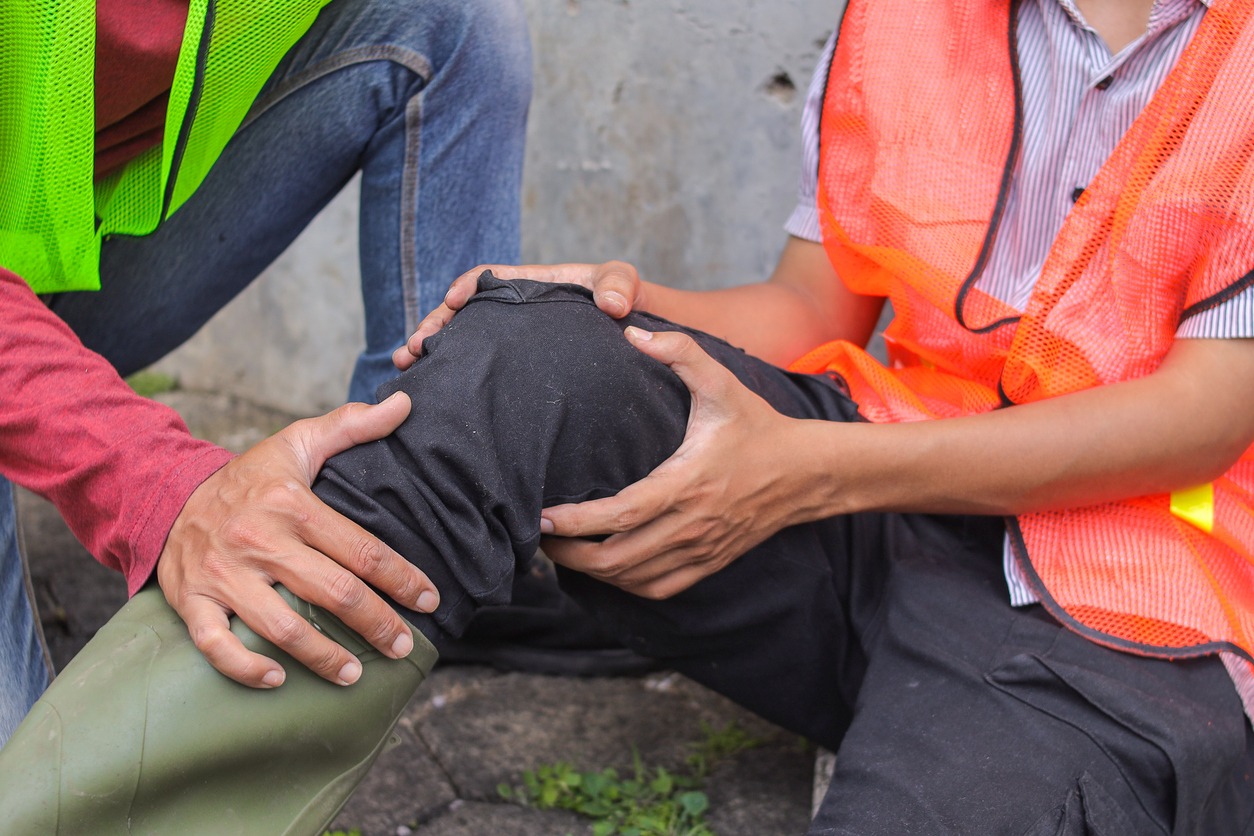
For Latin American workers and immigrants living in Florida, a workplace injury can feel like a crisis on multiple fronts. Beyond the physical pain, there are immediate concerns about medical bills, lost wages, and job security, and for many, the added fear of navigating an unfamiliar legal system in a second language.
Here is the most important thing to know: Florida law protects all workers, regardless of immigration status. If you or someone you know has been injured on the job in Jacksonville or anywhere in Florida, understanding your rights is the first and most critical step toward recovery.
Who Is Covered Under Florida Workers’ Compensation Law?
Florida’s workers’ compensation system is among the broadest in the country. Most employers with four or more employees are required by law to carry workers’ compensation insurance. In the construction industry, coverage is required from the very first employee.
Critically, your immigration status does not determine your eligibility. Whether you are a permanent resident, on a work visa, or undocumented, you are entitled to workers’ compensation benefits if you are injured while performing your job duties. The Florida Division of Workers’ Compensation outlines all employee rights and employer obligations, a valuable resource for understanding how the state system works.
What Benefits Are You Entitled To?
Florida workers’ compensation covers several key areas:
- Medical treatment: All reasonable and necessary care related to your injury, including doctor visits, surgeries, medications, and rehabilitation.
- Temporary disability benefits: If your injury prevents you from working, you may receive up to 66.67% of your average weekly wage while you recover.
- Permanent disability benefits: If your injury results in lasting impairment, additional compensation may be available based on severity.
- Vocational rehabilitation: If you cannot return to your previous role, you may be eligible for job retraining support.
These are legal entitlements, not favors. Knowing that distinction is essential before you engage with any insurer.
Common Injuries Among Latin American Workers in Florida
Latin American and immigrant workers are heavily concentrated in Florida’s highest-risk industries: construction, agriculture, food processing, landscaping, hotel hospitality, and transportation. These sectors consistently report elevated workplace injury rates.
Common injuries include falls from heights, heat-related illness during outdoor work, repetitive stress injuries, accidents involving heavy equipment, and vehicle incidents for workers who drive on the job. If you have experienced any of these, you have every right to pursue compensation, and you should not delay.
The Fear Factor: Immigration Status and Retaliation
One of the biggest barriers facing immigrant workers is fear of immigration enforcement, of losing a job, or of not being believed. The law is clear: retaliating against a worker for filing a workers’ compensation claim is illegal in Florida. Employers who fire, demote, or threaten workers for exercising their legal rights can face serious legal consequences.
The U.S. Equal Employment Opportunity Commission (EEOC) explicitly protects workers from retaliation when asserting workplace rights, and this protection covers immigrant and undocumented workers. Similarly, OSHA confirms that all workers have the right to safe working conditions and to report injuries without fear of punishment, regardless of immigration status.
Many Latin American workers are unaware of these protections, a gap that employers and insurers frequently exploit.
Steps to Take After a Workplace Injury in Florida
Acting quickly is essential. Here is what to do:
- Report the injury immediately: Notify your employer or supervisor as soon as possible. Florida law generally requires reporting within 30 days.
- Seek medical attention: Get treated right away and ensure the injury is documented by a medical professional.
- Document everything: Photograph the scene, keep records of all medical visits, and save any correspondence with your employer or their insurer.
- Do not sign anything without legal advice: Insurers often offer fast settlements that are far below what you are legally owed.
- Consult a workers’ compensation attorney: Especially if your claim is denied, delayed, or your injuries are serious.
Why Legal Representation Matters
Insurance companies maintain legal teams whose entire job is to minimize payouts. Without proper representation, injured workers, particularly those unfamiliar with U.S. law or facing a language barrier, are at a serious disadvantage.
Working with experienced workers’ compensation lawyers in Jacksonville ensures your rights are fully protected. A well‑informed legal counsel will handle communications with insurers, build your medical record, negotiate aggressively on your behalf, and represent you before a judge if necessary, all while you focus on your recovery. Furthermore, the right legal team provides support that accounts for the cultural and language nuances unique to the experience of Latin American workers.
You Have Rights. Use Them.
Being injured at work is traumatic. For Latin American and immigrant workers in Florida, seeking justice can feel even more overwhelming. But the law is firmly on your side.
If you or a loved one has been hurt on the job in Jacksonville or anywhere in Florida, do not wait. Reach out to qualified legal professionals who can guide you through every step and fight for the full compensation you deserve.