Cases of Avian Influenza Detected in Central America: Panama Strengthens Surveillance
The country has not registered any cases of avian influenza during 2026, but maintains constant monitoring and urges producers and citizens to report any suspicions.
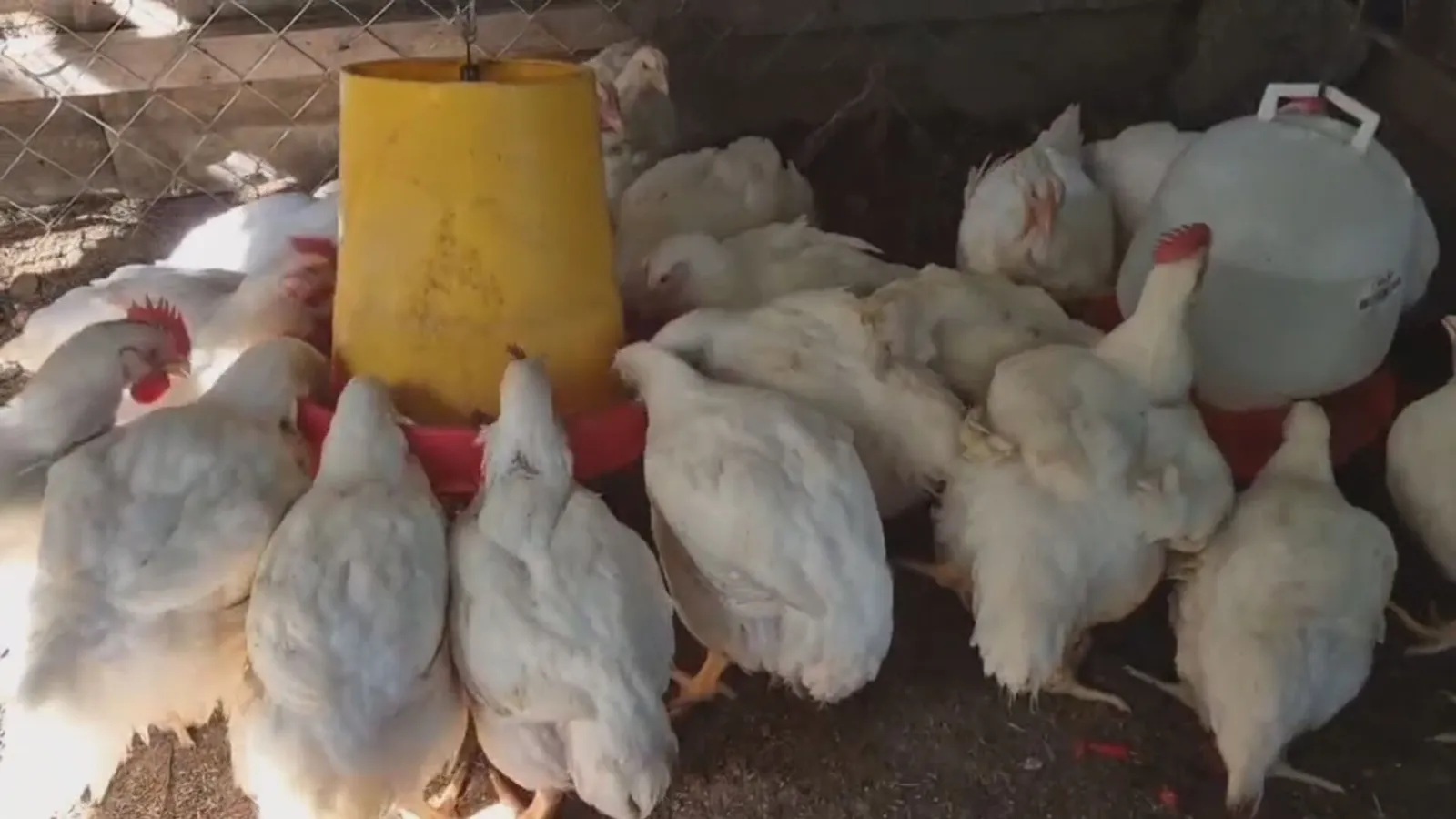
Panama City, Panama: Panama is maintaining reinforced epidemiological surveillance in response to the cases of highly pathogenic avian influenza (HPAI) recently reported in birds from Central American countries, with the aim of preventing the disease from entering the national territory; this was announced by the Ministry of Agricultural Development (MIDA). The entity noted that the Wildlife Program of the National Directorate of Animal Health has intensified patrols and monitoring in different areas considered at risk to promptly detect any unusual behavior or signs compatible with the disease in wild and domestic birds.
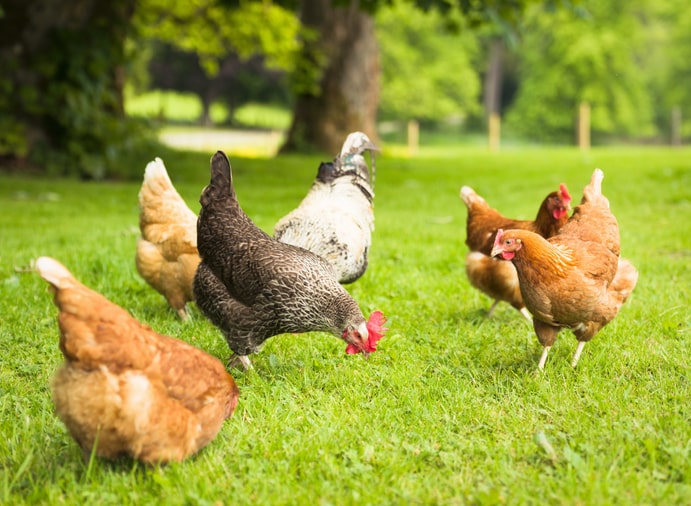
Authorities also called on commercial and backyard poultry producers to strengthen biosecurity measures and remain vigilant for any unusual increases in mortality or the appearance of symptoms associated with avian influenza. The main warning signs include weakness, lethargy, loss of coordination, ruffled feathers, swelling or purple discoloration of the head and legs, nasal discharge, diarrhea, decreased feed intake, reduced egg production, and high mortality rates. According to the National Directorate of Animal Health, Panama has not registered any cases of avian influenza during 2026.
However, it reiterated that this disease is notifiable, so any suspected cases should be reported immediately to the health authorities. It was learned that complaints can be made at MIDA agencies nationwide, through the WhatsApp number 6550-8486 or through the Animal Alert application, as well as on its web platform. Authorities also recommended implementing strict biosecurity measures on poultry farms located in coastal areas or near beaches, lakes, marshes, and other bodies of water, where there is a higher probability of contact with wild birds.
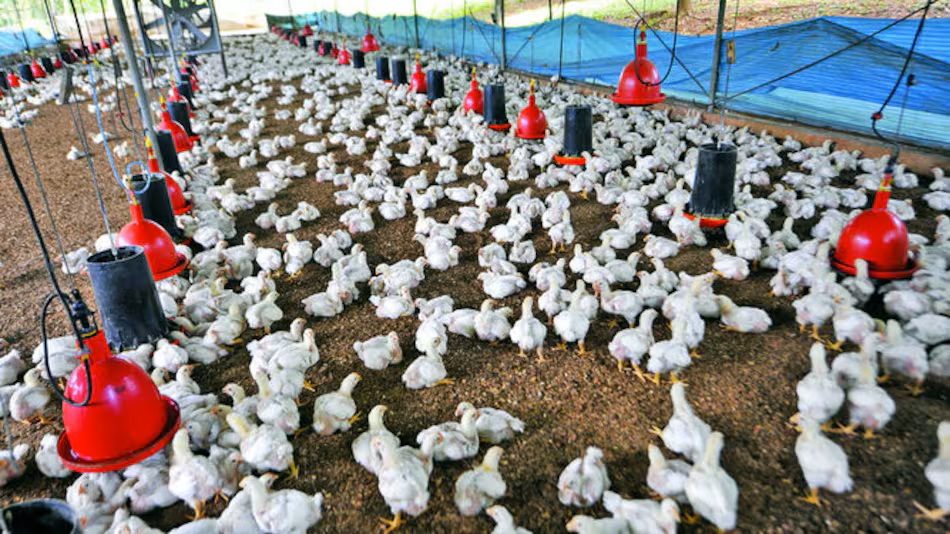
Key recommendations include preventing wild birds from entering poultry houses and avoiding contact with potentially contaminated materials, such as feces or secretions. They also reiterated their call to the public to avoid handling or moving any sick or dead wild or domestic birds and to immediately notify the relevant authorities so that the corresponding health protocols can be activated.
Although the country remains free of the disease, authorities are maintaining a state of preventative alert and enhanced surveillance to protect poultry production, food safety, and public health.