The Relationship between Panama and China is Fracturing: From the Silk Road to the Dispute Over Ports
The Panama Canal is important to China because it is a key hub in global trade. The fracturing of the relationship between Panama and China is reflected in maritime trade and diplomatic forums, amid a dispute that is already part of Panamanian foreign policy.

Panama and China’s relationship is indeed undergoing a period of intense strain, driven by legal disputes, asset expropriation, and broader geopolitical maneuvering by the U.S. Panama has purposefully stepped back from its former pivot to Beijing to protect its sovereignty and strategic alignment with Washington.
1. The Ports Expropriation
Tensions reached a breaking point when the Panamanian Supreme Court declared unconstitutional the legal framework allowing Hong Kong-based CK Hutchison to operate the strategic Balboa and Cristóbal ports at the canal’s entrances. The government subsequently annulled the concessions and seized the assets, prompting CK Hutchison to launch an international arbitration case for more than $2 billion.
2. Exit from the Belt and Road Initiative
The ports decision was part of a broader distancing under Panamanian President José Raúl Mulino. Prior to the port seizures, Panama officially withdrew from China’s Belt and Road Initiative (BRI), citing minimal economic benefits since joining in 2017.
3. Chinese Retaliation and Geopolitical Friction
China retaliated to the port dispute by increasing port state control detentions and scrutiny of Panama-flagged vessels. Furthermore, Washington and Beijing have openly clashed at the UN over the canal, with the U.S. scrutinizing Chinese influence in the region’s critical infrastructure.
4. Recent Diplomatic Thaw
Despite the friction, both sides are attempting to de-escalate. Diplomatic talks, including a meeting between Panamanian and Chinese Foreign Ministers at the UN, resulted in China warning against “third party” (implied U.S.) interference, while Panama expressed a desire to resolve differences through open dialogue rather than becoming a pawn in superpower rivalries.
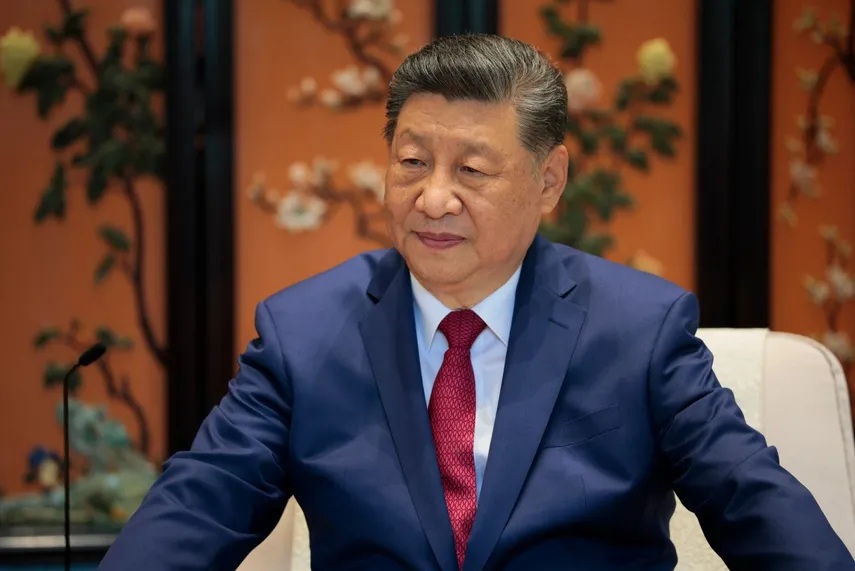
There was a time when China and Panama looked at each other with enthusiasm. It was November 2017, and the president at the time, Juan Carlos Varela, was in Beijing witnessing the signing of the Belt and Road Initiative. Panama became the first Latin American country to join Xi Jinping’s (pictured above) flagship initiative. However, not everyone applauded the image that emerged from the land of the dragon. Euclides Tapia, a tenured professor of International Relations at the University of Panama, warned against it. He stated that it was “the worst mistake Panamanian foreign policy could make.”