The Darién is the Epicenter of the Oropouche Virus in Central America According to a Recent Study
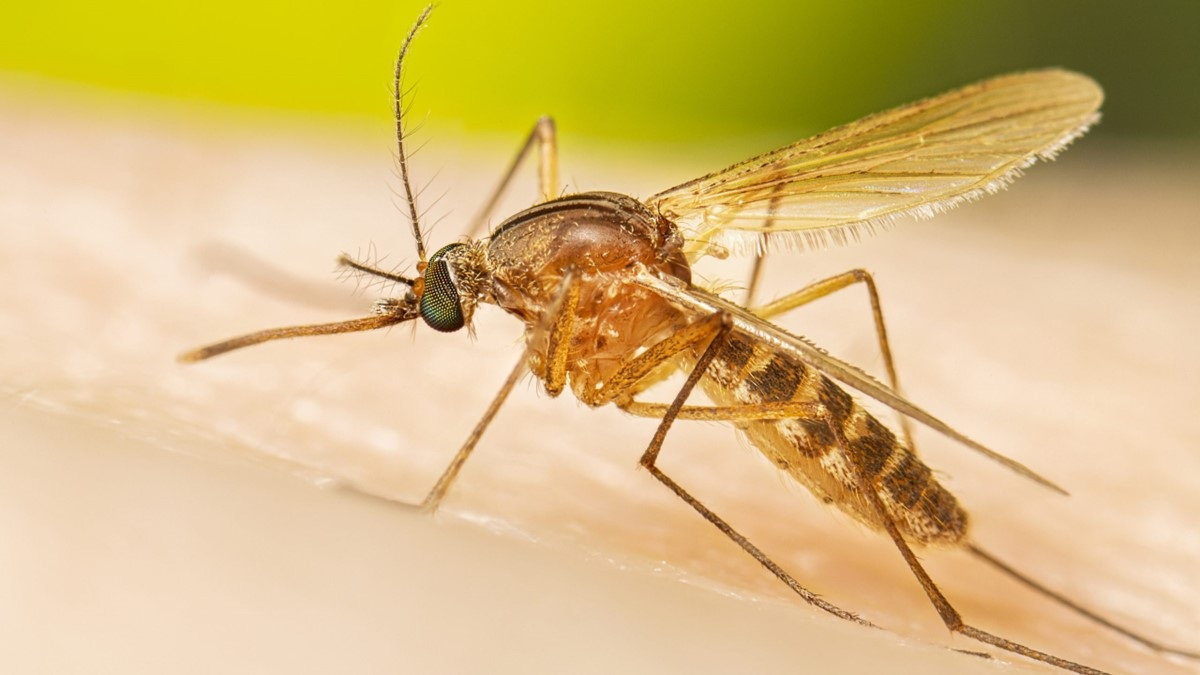
Oropouche virus is a viral disease transmitted by the bite of the sand fly (Culicoides paraensis) and Culex mosquitoes.
The Darien province concentrated the first major documented outbreak of the Oropouche virus in Central America and was identified as a key territory to detect and anticipate the future expansion of this disease to other countries in the region, according to a scientific investigation led by the Carson Center for Health and Ecosystems Research, in collaboration with the Gorgas Memorial Institute for Health Studies (Icges), the Ministry of Health (Minsa), the Institute of Scientific Research and High Technology Services (Indicasat AIP), among other institutions.
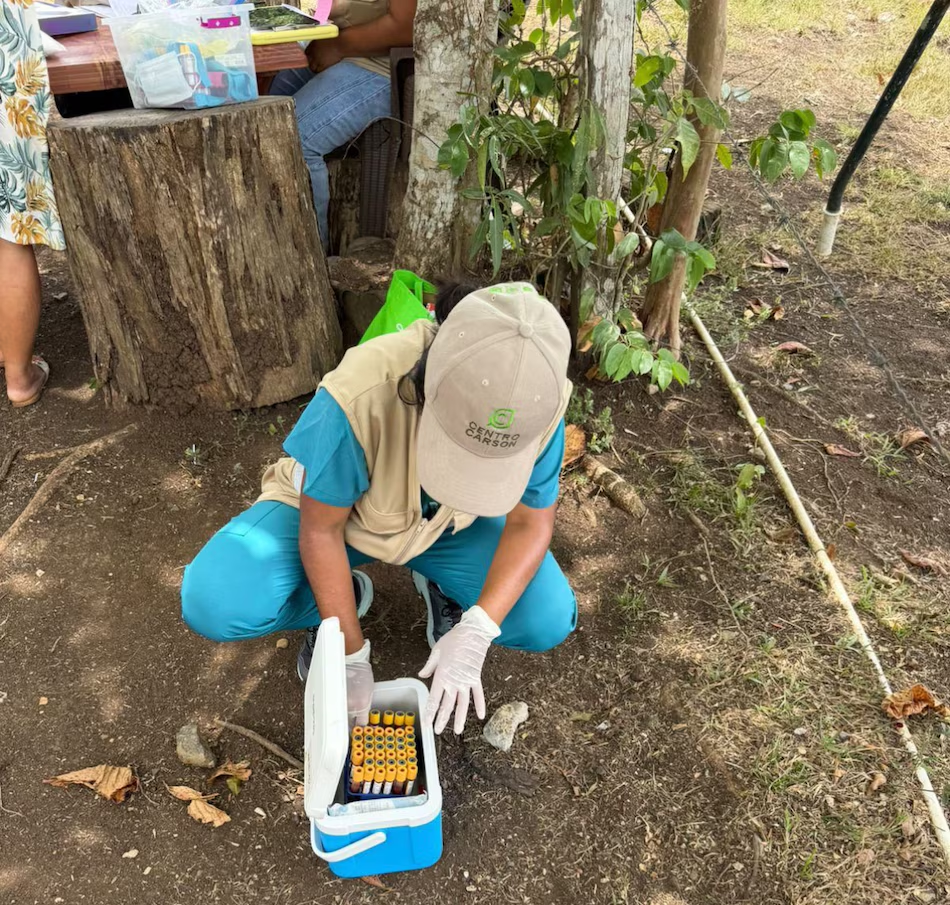
A study led by the Carson Center determined that Darién is the main epicenter of the Oropouche virus in Central America. The study traced the virus’s route to Panama and warned of the risk in Bocas del Toro and Los Santos. Jean-Paul Carrera, a Panamanian researcher, CEO, and founder of the Carson Center, explained that the Oropouche virus spread through several countries in the Americas during 2024 and registered one of its highest peaks in Brazil in January of that year. However, the Darién Gap migration corridor did not report any outbreaks until almost twelve months later, a situation that raised questions among scientists.
At a Glance
- Adult female Culex mosquitoes lay eggs on the surface of fresh or stagnant water.
- Larvae hatch from mosquito eggs and live in water then develop into pupae.
- Pupae develop into adult, flying mosquitoes.
- Adult female mosquitoes bite people and animals.
- Mosquito control helps decrease the number of Culex mosquitoes that could spread viruses to people.
Update
Oropouche is a tropical viral disease spread primarily by the bites of infected biting midges (Culicoides paraensis) and certain mosquitoes. Endemic to parts of South America, Central America, and the Caribbean, it causes symptoms similar to dengue or Zika, including sudden high fever, severe headache, muscle and joint pain, and nausea.
Symptoms & Clinical Course
- Onset: Symptoms typically begin 3 to 8 days after an infected bite.
- Duration: Initial acute symptoms generally resolve on their own within a week (2–7 days).
- Relapse: In up to 60% of cases, symptoms can reoccur a few days or weeks later.
- Severe Complications: While most cases are mild, the virus can rarely cause neuroinvasive disease (meningitis, encephalitis) or bleeding disorders.
Pregnancy & Sexual Transmission
- Pregnancy Risks: There is potential for the virus to be transmitted from a pregnant person to their fetus. This has been linked to negative outcomes such as stillbirth and microcephaly.
- Sexual Transmission: The virus has been detected in semen, though ongoing research continues to evaluate the exact risk of sexual transmission.
Treatment & Prevention
- No Specific Cure: There is no specific antiviral medication or vaccine available to treat or prevent Oropouche.
- Supportive Care: Treatment focuses on managing symptoms with rest, hydration, and over-the-counter pain relievers.
- Prevention Measures: The best protection is avoiding insect bites. Utilize approved insect repellents (DEET, Icaridin, or lemon eucalyptus oil), wear loose, long-sleeved clothing, and ensure your sleeping area uses air conditioning or fine-mesh mosquito nets.