
To Cut Panama Medical Backlog, the David Hospital Expands Endoscopy Drive: Learn about Jornadas
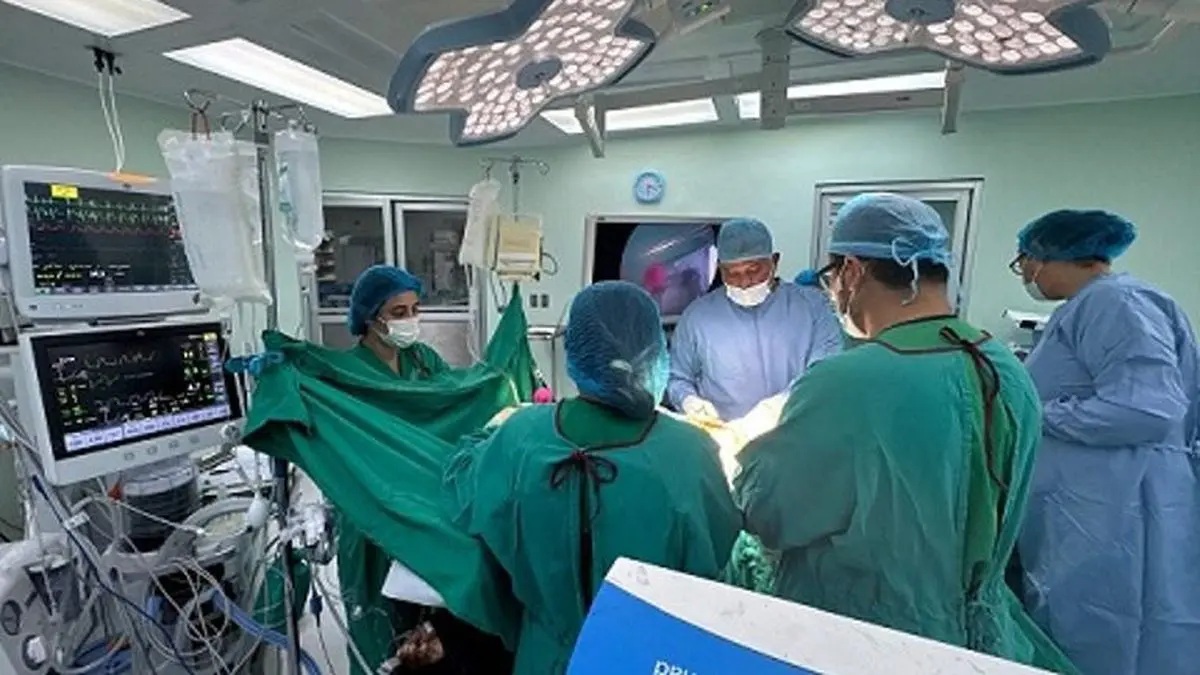
The Hospital Dr. Rafael Hernández in David carried out a second extraordinary day of endoscopies and colonoscopies aimed at easing the medical backlog and improving access for patients in Chiriquí. About 220 patients benefited from the initiative, which focuses on diagnostic procedures that are often in high demand and can take time to schedule through the regular system. Endoscopies and colonoscopies are important tools for detecting digestive conditions and other health problems early.
Organizing special screening days can help public hospitals reduce wait times, speed up diagnoses, and move patients toward treatment more quickly. In a province like Chiriquí, where a regional hospital serves a large and diverse population, efforts to cut appointment delays can have a direct effect on patient care and on pressure inside the hospital system. Special medical jornadas are a common way for public health facilities to tackle accumulated demand for specialist procedures. They allow hospitals to concentrate resources and staff on a specific set of exams over a short period of time, helping clear pending cases more efficiently.
By holding a second extraordinary jornada, the hospital shows that the demand for these procedures remains strong and that additional service days are being used as a practical response to the backlog. For the 220 patients served, the initiative represents a faster path to diagnosis and follow-up care. For the hospital, it is another step in reducing the list of pending procedures and improving service delivery for the community in western Panama. As public hospitals continue to manage high demand, actions like this remain a key part of keeping specialized medical services accessible to more people in Panama.
“Special Medical Jornada”
A “Special Medical Jornada” (Jornada Médica Especial) in Panama is a concentrated, temporary initiative designed to provide specialized medical services, screenings, surgeries, or treatments to a large number of people, often aimed at reducing waiting lists (mora quirúrgica) in the public health system. These events are common in Panama and often organized by the Ministry of Health (MINSA), the Social Security Fund (CSS), or private hospitals to improve access to healthcare, particularly for specialized or urgent cases.
Key Aspects of these Jornadas Include:
- Reduction of Waiting Lists: As of May 2026, the CSS in Chiriquí has conducted jornadas for gastrointestinal studies (endoscopies and colonoscopies) and complex cardiovascular procedures, allowing patients to have treatments moved up by months.
- Specialized Care: These events focus on specific areas, such as pediatric cardiology, oncology, dental care, orthopedics, or dermatological care.
- Medical Brigades: Mobile teams, including international teams like U.S. Southern Command, travel to various provinces (e.g., in December 2025) to provide specialized care in rural areas, such as the Ngäbe-Buglé comarca.
- Preventive and Diagnostic Focus: These initiatives often provide early detection for chronic illnesses or diseases.
- Professional Development: Some “jornadas” also refer to academic or training sessions for medical professionals, such as conferences on dermatology, aesthetics, or cardiology, designed for specialists to share techniques.
These events are a crucial component of Panama’s public healthcare strategy, aiming to provide specialized care outside of the routine appointment structure.