Direct Tokyo Flights to and from Panama Move Closer After the ANA Visit to Tocumen

Panama and Japan are moving closer to a direct air link between Tokyo and the Panamanian isthmus after a high-level delegation from All Nippon Airways (ANA) visited Tocumen International Airport to review operations and infrastructure. The Japanese airline executives were received by airport authorities, the Civil Aviation Authority, Panama’s Foreign Ministry, and Copa Airlines. The visit focused on the operational conditions needed for a long-haul service connecting the two countries. During the inspection, ANA representatives and Boeing technicians reviewed Tocumen’s runway capacity and the infrastructure required to handle long-range aircraft such as the Boeing 777-300ER.
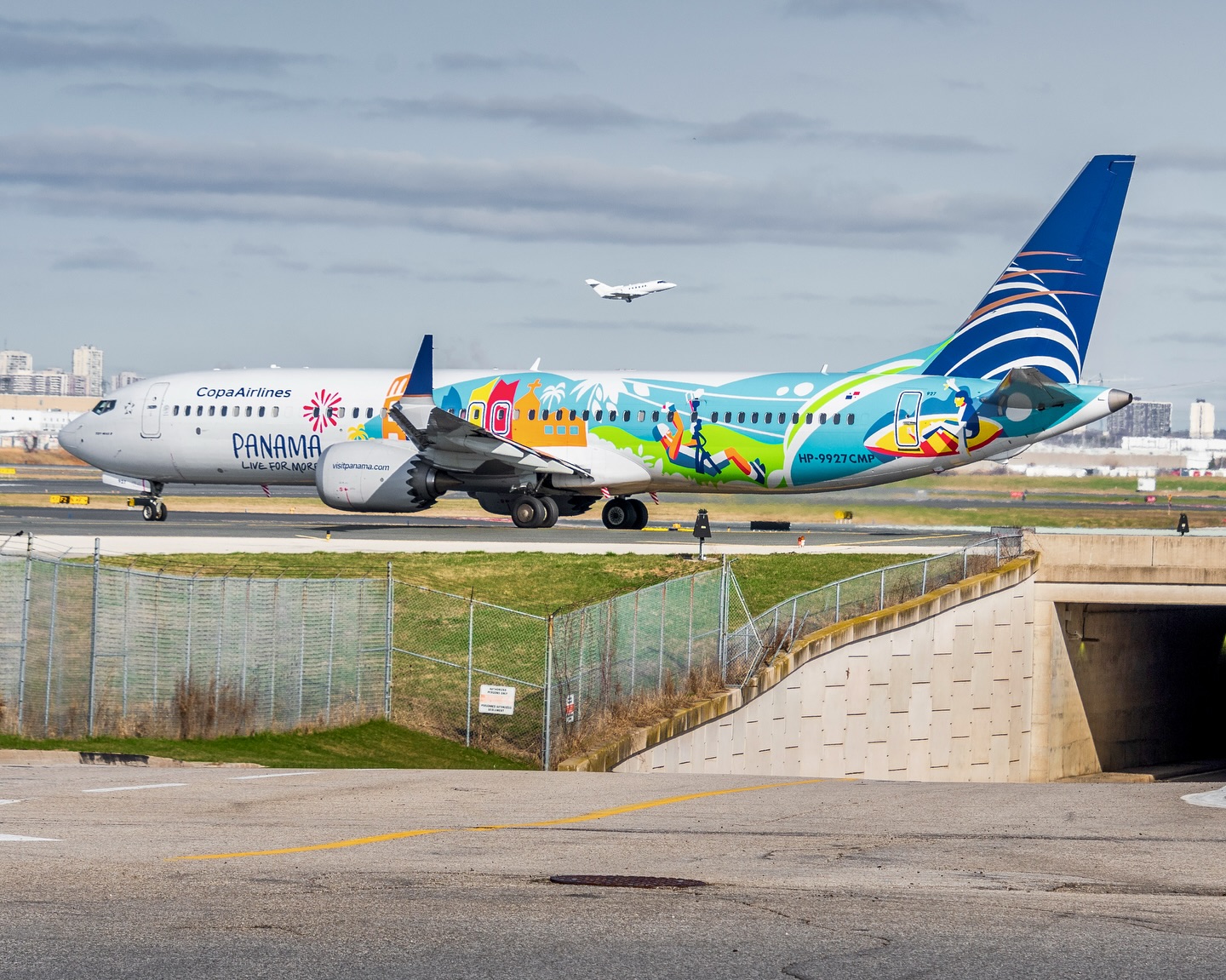
That aircraft is commonly used for intercontinental routes and would be key to a nonstop connection between Tokyo and Panama. Officials also discussed Tocumen’s airport security and transit systems, including the One Stop Security mechanism, which supports safer and faster international connections through the terminal. Panama’s civil aviation chief, Rafael Bárcenas Chiari, presented progress in bilateral negotiations on air traffic rights, a necessary step for any direct route between the two countries. Those talks are central to making the service possible under international aviation rules. The visit also highlighted the possibility of a joint operation with Copa Airlines, which would fit Panama’s role as a regional hub.

Tocumen already links more than 80 destinations across the Americas through Copa’s network, strengthening the airport’s position as a gateway between continents. A nonstop Tokyo-Panama flight would deepen Panama’s ties with Asia and strengthen Tocumen’s role as a connection point for long-haul travel. For Panama, such a route would add another major intercontinental link to its aviation network and reinforce the country’s ambitions as a regional air hub. Authorities said they will continue working with the airlines and governments involved to advance the direct connection. The process now depends on regulatory coordination, technical evaluation, and the commercial decisions that follow those discussions.