What’s Happening in Nearby Venezuela During this Worldwide Oil Crisis? How About Panama Fuel Prices?
With the easing of sanctions and the return of major oil companies, Venezuela is reappearing on the global energy map, although the market still faces legal and political uncertainty.
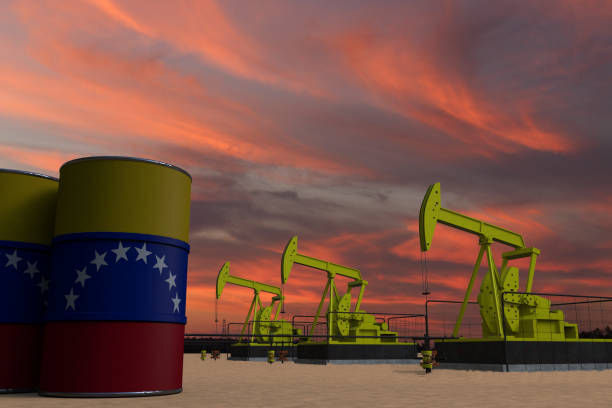
The global oil market is experiencing a period of high sensitivity, marked by geopolitical tensions, shifts in demand, and new investment dynamics. Venezuela is once again positioning itself as a key player, not only because of the size of its reserves but also because of its capacity to reactivate production amidst a volatile international landscape. This environment opens a window of opportunity for the Caribbean country, although it also reflects signs of a slowdown in the global economy.
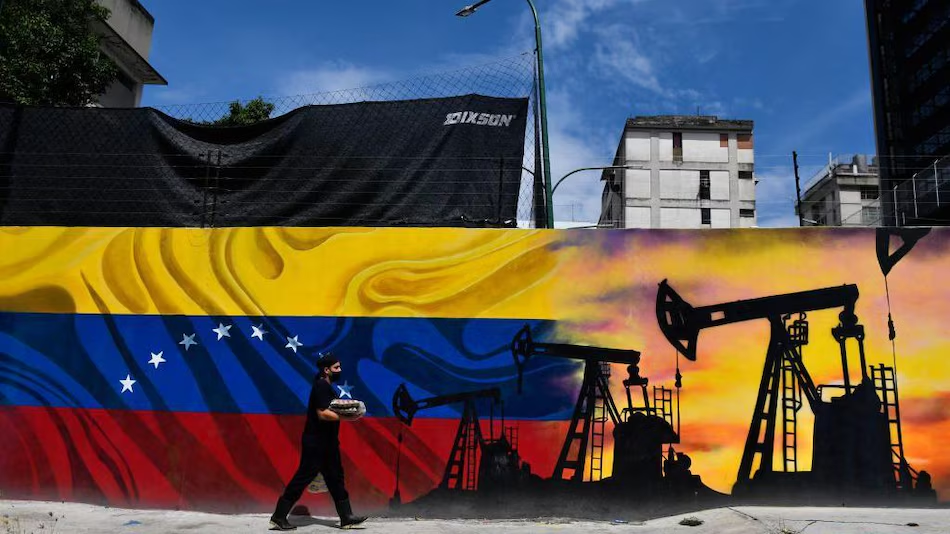
Based on reports from early 2026, the Trump administration has taken direct, muscular action in Venezuela, shifting from a policy of sanctions to direct intervention to control the country’s oil resources and remove its previous leadership. Key actions and developments as of April 2026 include:
- Capture of Maduro: Following a months-long pressure campaign, U.S. forces captured Venezuelan President Nicolás Maduro and his wife, Cilia Flores, in a military operation on January 3, 2026, for indictment on narco-terrorism charges.
- Controlling Oil Operations: Trump has stated the U.S. will “run” Venezuela’s oil industry on an interim basis, aiming to overhaul its “broken” infrastructure and sell its crude on the open market.
- “Interim” Management: Vice President Delcy Rodríguez was sworn in as interim leader, with reports suggesting her government is acting under the guidance of the U.S. to ensure stability and allow for U.S. oil investment.
- Energy Deals and Sanctions Rollback: The U.S. has begun a 50-million-barrel oil supply deal with the new Venezuelan authorities, lifting sanctions on the oil trade to enable these sales.
- Shifting Political Landscape: While some political prisoners have been released, the new government retains key Maduro loyalists, leading to concerns about the long-term democratic outcome.
- Investment Push: Trump has encouraged U.S. oil majors, such as Chevron and others, to invest heavily (up to $100 billion) to increase production.
- Focus on Mining: Beyond oil, U.S. officials, including Interior Secretary Doug Burgum, have visited Venezuela to secure supply chains for critical minerals, including gold. The strategy is described as an effort to stabilize the country, curb the drug trade, and secure American interests in the region’s vast natural resources, though it has drawn criticism regarding international law and sovereignty.
How Does the Texas Crude Oil Increase of 5.7% Affect Fuel Prices in Panama?
Every time the price of WTI crude oil in Texas rises, it affects fuel costs in Panama. West Texas Intermediate (WTI) crude oil opened Monday with a 5.74% increase, reaching $88.66 a barrel. It was after the United States’ attack on an Iranian vessel near the Strait of Hormuz that reignited tensions between the two countries. West Texas Intermediate (WTI) crude oil is the benchmark for fuel prices in Panama, which change every 15 days. If the upward trend continues, it could affect the next price setting in May.
Amid Renewed Tensions Between the United States and Iran, Brent Crude Surges More Than 5%
Brent crude for June delivery surged more than 5% on Monday, exceeding $95 a barrel on the London futures market, amid renewed tensions between the United States and Iran that threaten peace negotiations. Brent crude is rising again after plunging more than 9% on Friday, to just above $90, following Iran’s announcement of the reopening of the Strait of Hormuz in response to the ceasefire announced in Lebanon.
Immediate Ceasefire and Guaranteeing Free Navigation in the Strait of Hormuz is Called for by China’s President Xi Jinping
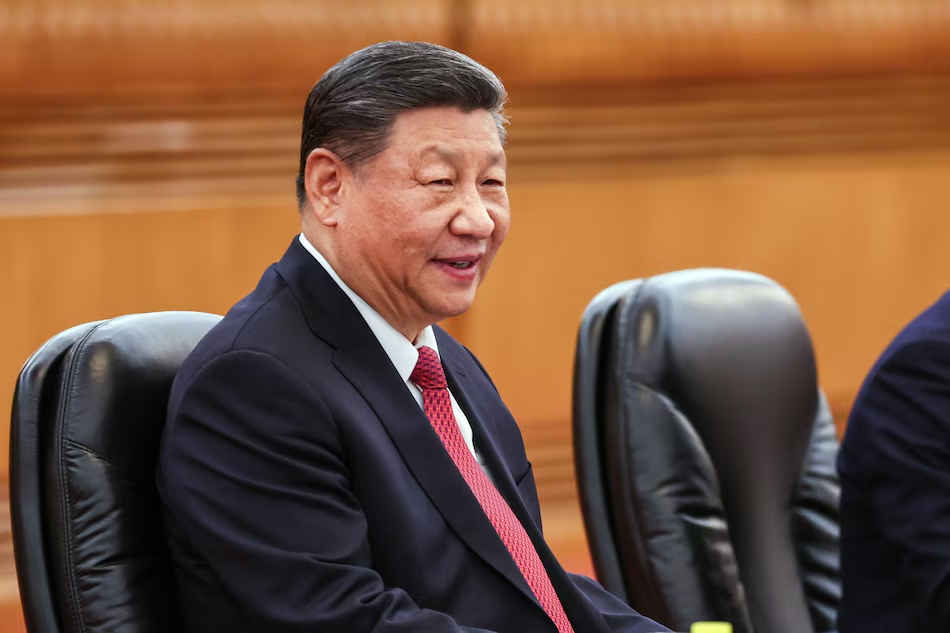
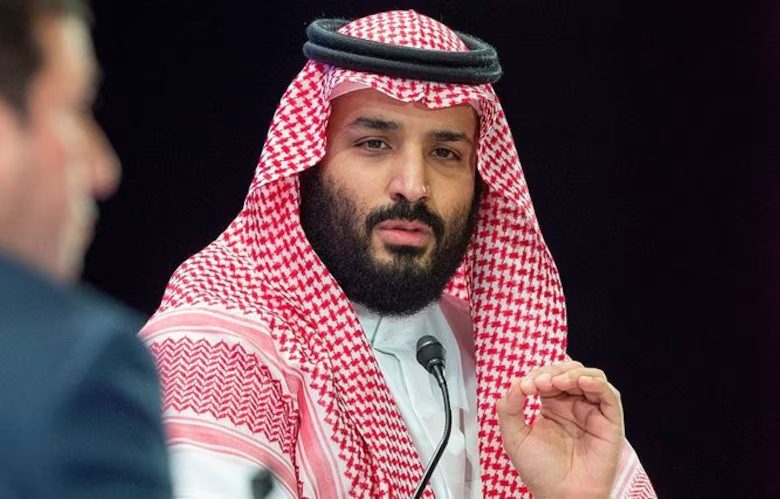
Chinese President Xi Jinping, in a telephone conversation Monday with Saudi Crown Prince Mohammed bin Salman pictured below, called for an “immediate and comprehensive” ceasefire and for ensuring free navigation through the Strait of Hormuz.
Amid expectations for the second round of negotiations between Iran and the United States, the Chinese leader insisted that disputes must be resolved through political and diplomatic means and supported all efforts that contribute to restoring peace, the state news agency Xinhua reported. In the conversation, Xi called for an “immediate and comprehensive” ceasefire and argued that the Strait of Hormuz should remain open to normal transit, which, he said, serves the common interests of the countries in the region and the international community.