Panama’s Government Gets a Warning from the Chamber of Commerce that Investment is Needed to Sustain Jobs

Panama’s Chamber of Commerce has warned that the country cannot achieve sustainable employment without stronger investment. The warning comes as the labor market continues to show pressure, with unemployment at 10.4% and nearly 785,000 people working in the informal economy. The figures highlight a labor structure in which almost one out of every two workers is outside formal employment. That level of informality remains a major challenge for households, employers, and public policy because it limits access to social security, stable wages, and long-term job security.
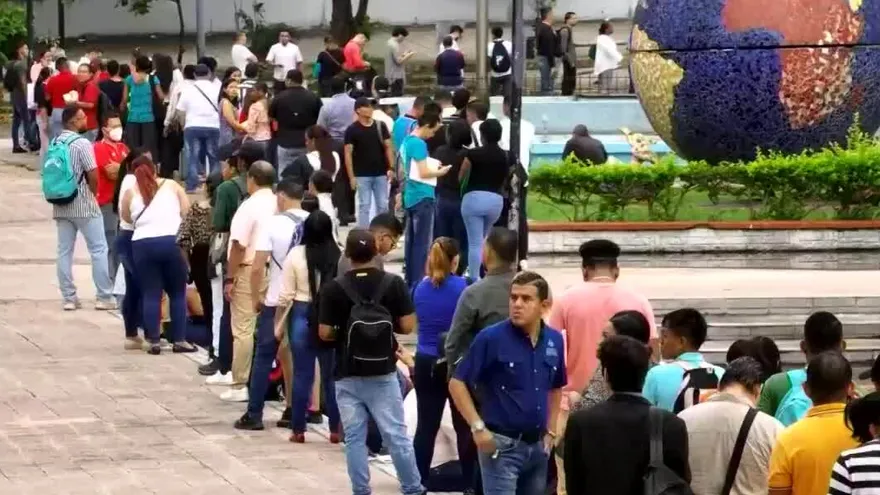
The chamber’s assessment points to a broader concern that job creation is not keeping pace with the needs of the economy. High informality usually reflects limited access to formal opportunities, especially in sectors that can absorb workers with stable contracts and benefits. A 10.4% unemployment rate also signals that thousands of people remain unable to find work even as others rely on temporary or non-registered activity to make ends meet. In that environment, sustained investment becomes central to expanding formal employment and strengthening economic stability.
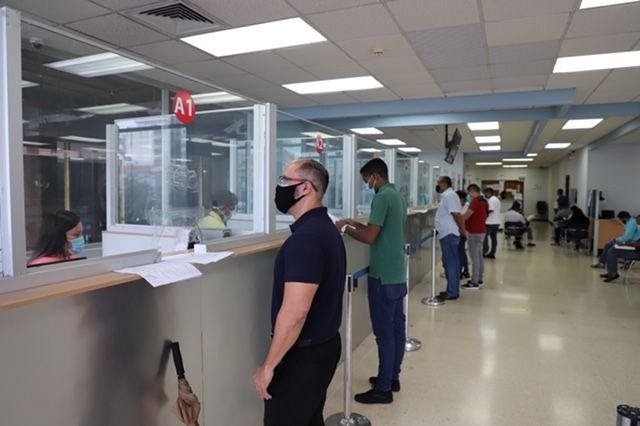
Private investment plays a key role in creating jobs through new projects, business expansion, and higher demand for labor and services. Without it, the economy can struggle to generate enough formal positions to reduce unemployment and pull workers out of informality. For Panama, the warning carries particular weight because formal employment is closely tied to broader economic confidence. When companies invest, they typically hire more workers, purchase more services, and create wider spillover effects across supply chains and local commerce.
Persistent informality can weaken household income, reduce tax collection, and increase pressure on public services. It can also leave many workers without the protections that come with registered employment, including social security contributions and workplace benefits. The chamber’s message underscores a familiar challenge for Panama: growth alone is not enough if it does not translate into stable jobs. Improving labor conditions will likely depend on policies and business conditions that encourage investment, support formal hiring, and expand opportunities across more sectors of the economy.