New Management Plan for the Barú Volcano National Park – Producers Requesting Suspension
The plan prohibits agricultural production and would directly impact approximately 100 hectares in the Paso Ancho sector, home to approximately 2,000 homes, as well as another 400 hectares of agricultural production in various areas of the park.
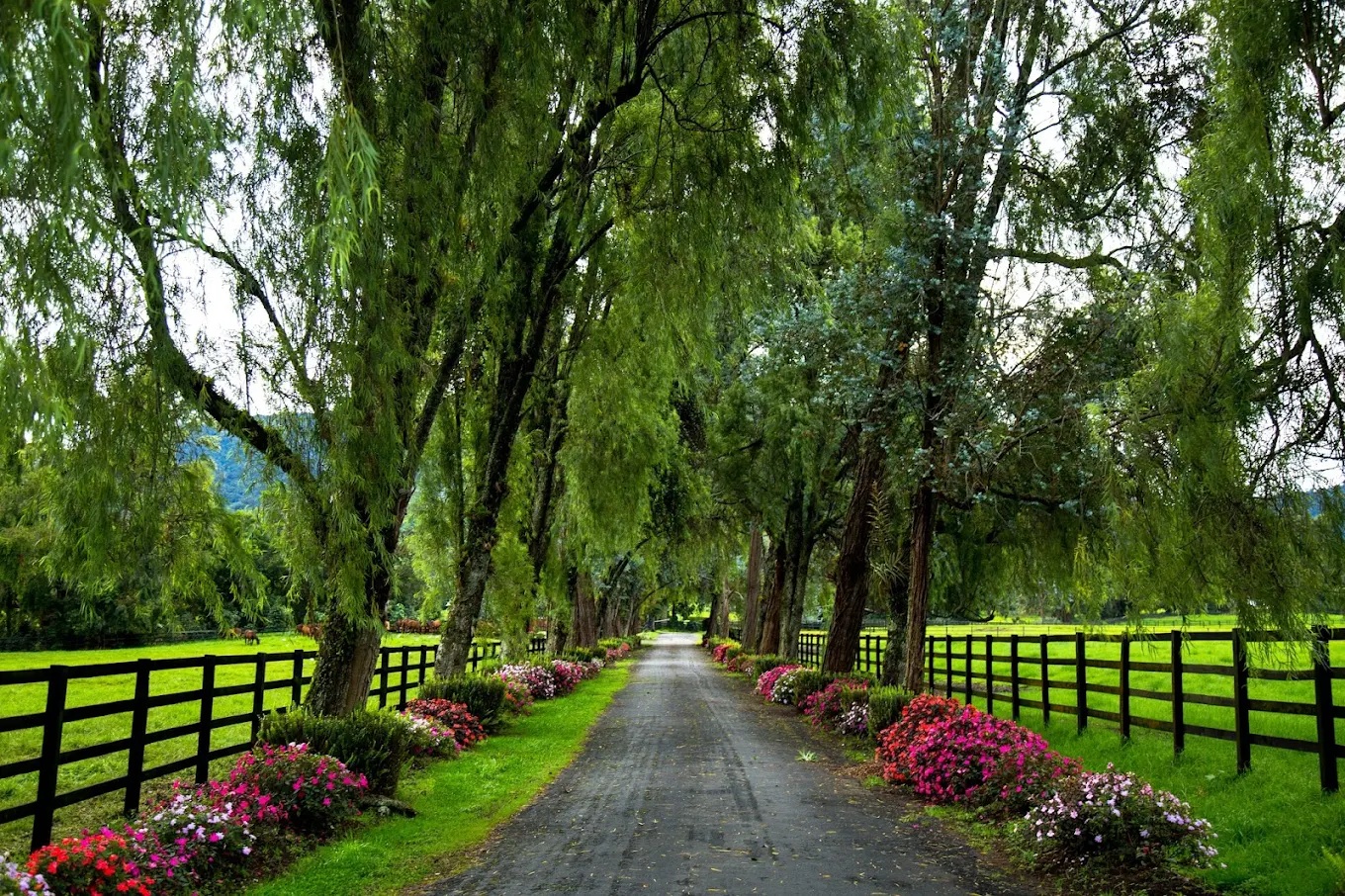
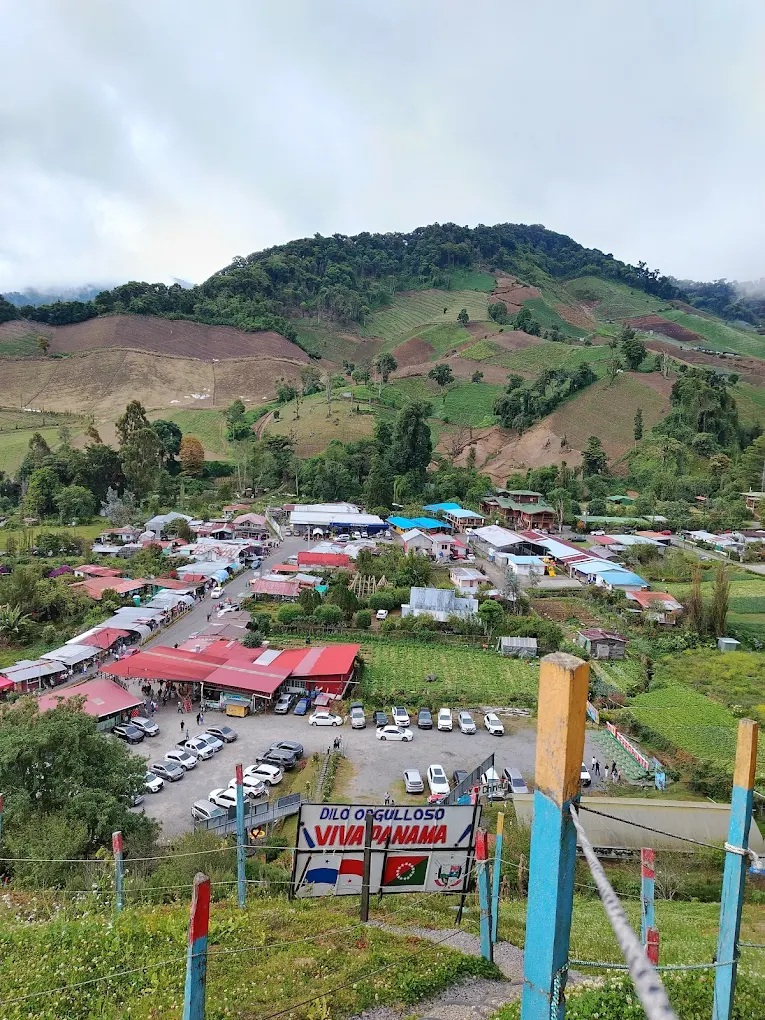
The new management plan for Volcán Barú National Park, developed by the Ministry of Environment (MiAmbiente), has producers from the Tierras Altas Producers’ Association (Acpta) concerned because the document strictly prohibits agricultural and other activities within the protected area. These are dozens of families and producers residing in communities such as Paso Ancho, Bella Vista, Las Cumbres, Alto Pineda, Bajo Grande, among others, who would be affected by the provisions contemplated in the new plan, which has not yet taken effect.
Augusto Jiménez, representative of Acpta, explained in Noticias AM that it is a complex situation, since there are residents who have lived there for more than four decades , but it is not because they have invaded the Volcán Barú National Park, but rather through the executive decree of 1976 of the Ministry of Agricultural Development the place was established as a national park, creating the conflict between the residents of the place who have not been able to obtain their property titles because their lands are within the area.
Jiménez indicated that the measure would directly impact approximately 100 hectares in the Paso Ancho sector, where there are around 2,000 homes, as well as another 300 hectares of agricultural production in different areas of the park. They warn that this would represent a severe blow to the agricultural sector in the region, known as one of the country’s main food supplies. In the area, the land has been conditioned for decades for the cultivation of vegetables and other crops, despite its natural volcanic origins and infertile soils.
The producers argue that their presence has helped maintain vegetation cover in areas that were originally desert, and they reiterate their commitment to environmental protection, rejecting practices such as logging, but requesting that they be allowed to continue farming under responsible management. “The issue is that a series of cases have been filed with the Public Prosecutor’s Office for causing environmental damage, and we were deeply struck by the inconsistency, given that our Penal Code stipulates that when wetlands, geographic basins, scientific materials, and archaeological sites are affected, this could be a potential cause of environmental damage. But here, on the contrary, the crime being committed is producing it,” Jiménez said.
To address the situation, producers met yesterday, Thursday, August 7, with representatives from the Ministry of Agricultural Development and the Ministry of Environment, requesting a temporary suspension of the new management plan. More than 400 people attended the meeting in Tierras Altas, hoping to initiate a dialogue process that would make environmental conservation compatible with food production. A formal note has already been delivered to the Minister of the Environment, Juan Carlos Navarro, to address the situation, and the producers hope to be convened to a meeting to find a solution that respects the law, protects the environment, and guarantees the continuity of agriculture in the region.
What does MiAmbiente say about this?
Tomás Fernández, director of Protected Areas at MiAmbiente, explained that the implementation of the management plan is still under evaluation and, after meeting with the producers, they agreed to establish working groups to analyze the situation. “Ninety percent of the meeting we had yesterday was based on the new management plan that was developed in 2023, and we are obligated to review it, evaluate it, and make any necessary adjustments,” he said. He clarified that, although MiAmbiente contracted to prepare the document, this does not mean that the information will directly be included in the plan; rather, the institution also conducts evaluations and observations. “We agreed to have different working groups to address this.”
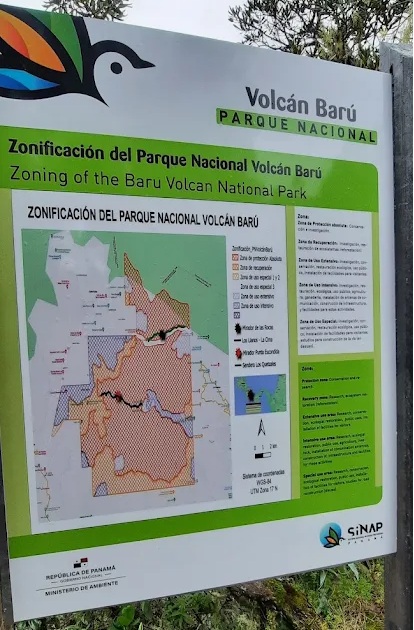
According to Fernández, the producers acknowledged the disarray in the area, both in terms of production and housing construction, and are aware that they are within the protected area. When asked whether the plan actually prohibits agricultural production, he limited his response to specifics, noting that the document contemplates intensive, extensive, and other zoning. The official explained that a census is also being conducted in the Paso Ancho area, and the information is consistent with the information provided by the Mayor’s Office for approximately 60 to 50 producers in Paso Ancho alone. Currently, the governing document is the 2004 management plan.