
What to Do When You See an Unknown Charge on Your Card
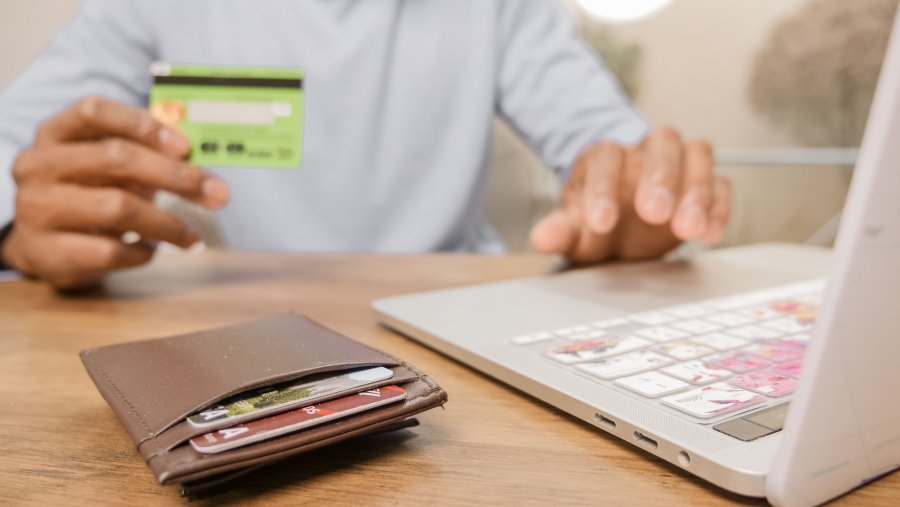
Do this first
- Check whether the charge is pending or posted.
- If you are sure you did not make it, lock the card if your bank offers that option.
- Save the amount, merchant name, date, and transaction details before you contact anyone.
1. First, Find Out Whether the Charge Has Actually Posted
Start with the status. A pending charge has not fully settled yet, and the final amount can still change. Many card issuers will not open a formal dispute while a transaction is still pending. Chase notes that pending card transactions often move to posted status within a few business days.
That does not mean you should ignore it. Open the transaction and read every detail available. Check the merchant name, the date, and any location information. Then look at recent subscriptions and trials. If the charge comes from Verify Credit Profile and you want to stop future billing, SubDelete’s Verify Credit Profile guide explains a cancellation route and what information to keep.
2. Next, Work Out What Kind of Problem You Have
“Unknown” and “unauthorized” are not the same thing. An unknown charge may turn out to be a subscription using an unfamiliar billing name. It could also be a purchase made by another authorized card user. An unauthorized charge is different. That means you did not make it and did not give anyone permission to make it. CFPB uses that same distinction when explaining unauthorized card use.
A duplicate charge is another case entirely. You recognize the merchant and the purchase, but you see the same amount twice. That is usually a billing problem, not evidence that someone stole the card. The FTC includes duplicate billing among the errors that can be disputed on a credit card account.
If the purchase is familiar but the amount looks wrong, contact the merchant first when that makes sense. The merchant may be able to correct a duplicate charge or a refund problem faster than a bank dispute.
If the transaction is clearly not yours, stop investigating the merchant and call the card issuer. Report the transaction through the bank’s fraud process. If a card lock is available, use it while the issue is being reported. Do not assume that locking the card also ends every recurring payment. Capital One warns that blocking future charges does not cancel the agreement with the merchant itself.
3. Use the Right Label Before You Call the Bank
| What you see | What it probably means | What to do first |
| Unknown charge | You do not recognize it yet | Check transaction details, subscriptions, receipts, and other card users |
| Unauthorized charge | You did not make or approve it | Lock the card if possible and contact the issuer |
| Duplicate charge | One purchase appears more than once | Contact the merchant, then dispute if it is not corrected |
Do not spend half an hour trying to solve a charge that is obviously fraudulent. But do not report fraud simply because the merchant descriptor looks strange. Give yourself a few minutes to classify the problem.
4. Protect the Card, but Do Not Forget the Paper Trail
For credit card billing errors, contacting the issuer quickly is important. There is also a formal deadline under federal rules. CFPB says a written billing error notice should reach the card company within 60 calendar days after the charge appeared on the statement if you want to preserve the protections of that dispute process. Keep a copy of what you send.
Debit cards need even faster attention in some situations. If the physical debit card was lost or stolen, CFPB says reporting the loss within two business days can significantly limit potential liability. If the card is still in your wallet but an unauthorized electronic transaction appears, contact the bank as soon as possible anyway. Waiting can weaken the protections available under federal rules.
Keep the record boring and complete. Write down who you spoke with. Save the case number. Note the time of the call and what the bank said would happen next. If the merchant promised a refund, write down the date. People rarely think they will forget these details, then three weeks pass and everything starts blending together.
5. The Next Few Days Matter More Than Most People Expect
Do not stop checking the account because the first suspicious charge was reported. Look again later that day. Check again the next morning. Then keep watching for several days. One strange payment can be an isolated mistake. Several new unfamiliar charges may indicate that the card details are still being used.
If the bank replaces the card, review your legitimate recurring payments afterward. Some subscriptions may need new payment information.
Watch for whether another payment appears, whether the same merchant bills again, and whether the bank’s fix actually holds. Repeated charges can show whether the problem was isolated or ongoing.
The first 15 minutes are not about proving fraud. They are about checking whether the charge is still pending, deciding whether the card is at risk, and creating a record before anything else happens. After that, the next transactions will tell you whether the problem is finished or still developing.