The Surprising Mistakes People Make While Still in Shock After an Accident
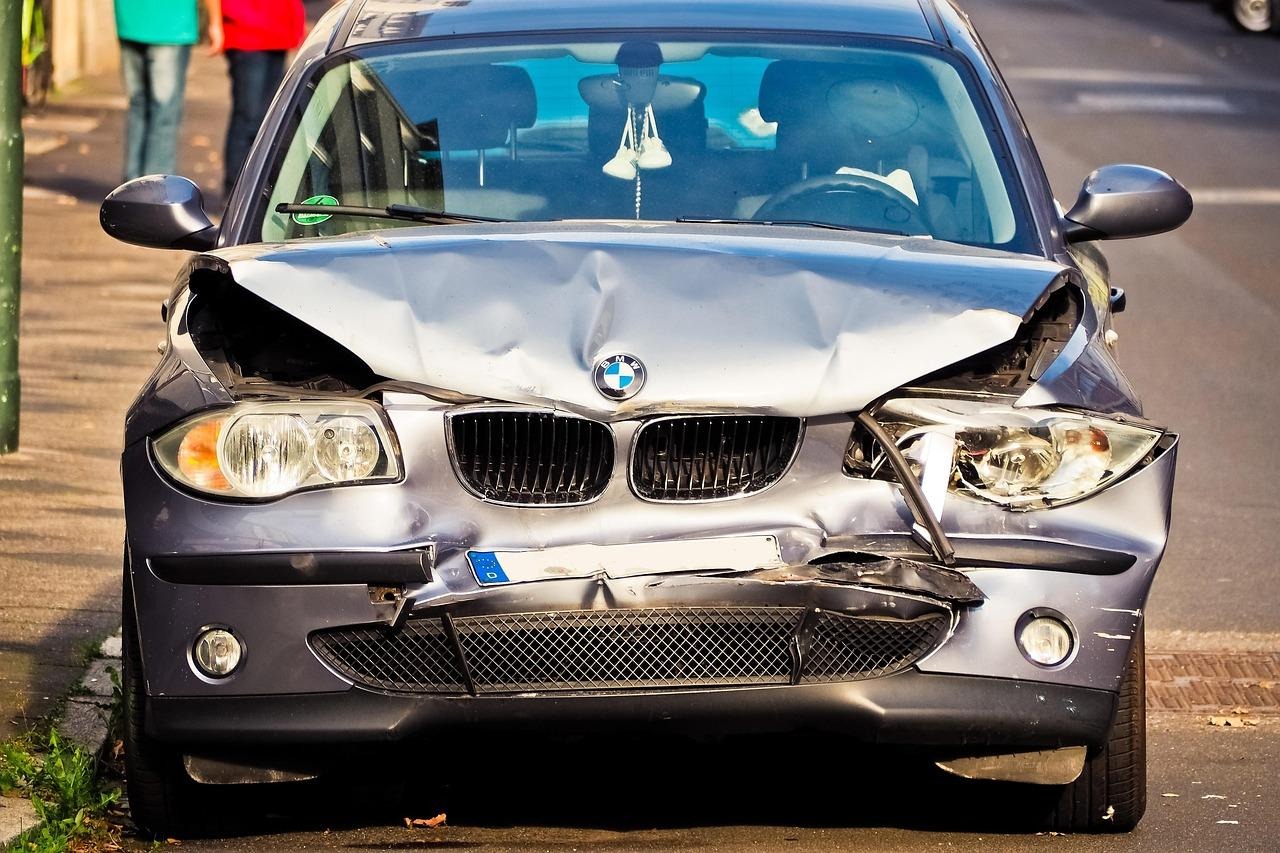
One second you’re humming along with the radio. The next, there’s a crunch of metal, a jolt, and the strange silence that follows a crash. Your heart is pounding, your hands are shaking, and your brain feels like it’s running in a dozen directions.
In that moment, people do things they’d never do on a normal, calm day. They apologize for something that wasn’t their fault, wave off an ambulance, forget to take a single photo, or step out into moving traffic without even thinking about it.
None of that is a sign of weakness or carelessness, either. It’s biology. Adrenaline, confusion, and emotional shock flood the body after a collision, and they can quietly steer decisions in directions that create real problems in the hours, days, and weeks ahead.
Why Your Brain Doesn’t Always Think Clearly After a Crash
A crash triggers the body’s fight-or-flight response. Stress hormones surge, the heart races, and the brain shifts into survival mode. That reaction helps in true emergencies, but it isn’t designed for careful decision-making or detailed note-taking. It’s built for running, not paperwork.
Attention narrows under that kind of stress. People may fixate on one thing, like the damage to their bumper, while missing obvious safety risks or important details. That’s exactly why it helps to know what to do after a car accident before you ever need it.
Memory takes a hit too. Stress can scramble how events get stored, leaving gaps or blending details together. Having a simple plan ready ahead of time gives your rattled brain something solid to follow when it can’t think clearly on its own.
The Surprising Danger of Assuming You’re Not Injured
Adrenaline is a remarkably powerful painkiller. Right after a crash, many people feel surprisingly okay, even calm, despite being hurt. They tell the officer they’re fine, decline medical care, and head home believing they walked away lucky. It happens all the time.
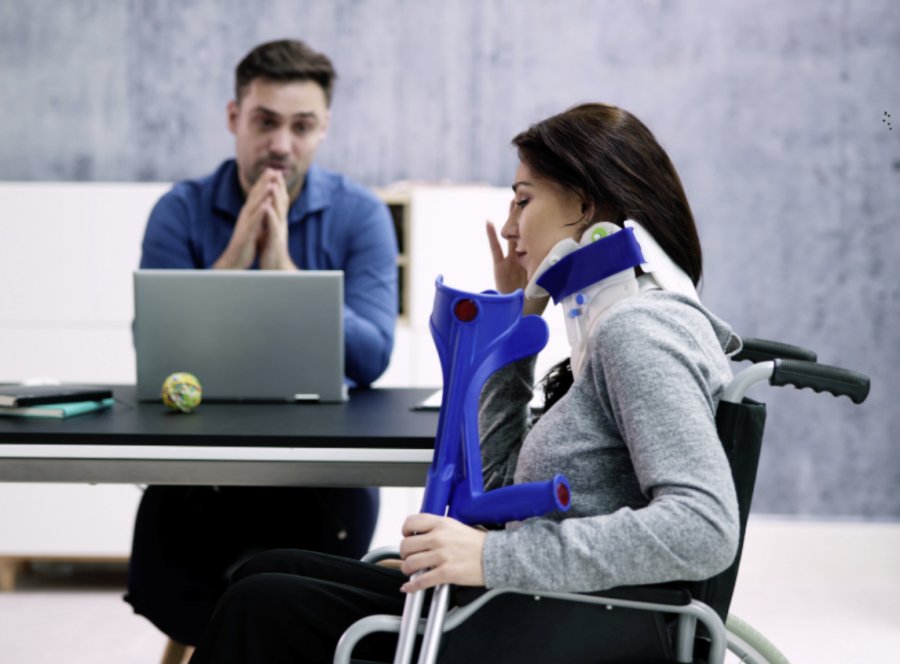
Then the next morning arrives. Neck stiffness, headaches, back pain, dizziness, or trouble concentrating may show up hours or even days later. Some injuries, like concussions and certain soft tissue injuries, don’t always announce themselves right away. Whiplash is a classic example.
That’s why getting checked out is smart even when you feel fine. A prompt medical evaluation can catch problems early, guide proper treatment, and create a clear record linking symptoms to the crash. Feeling okay in the moment isn’t the same thing as actually being okay.
Why Small Details Are Easy to Forget
After a crash, details that seem obvious can disappear from memory surprisingly fast. The other driver’s name, their insurance company, the license plate, the exact location, and even the color of the other car can all become fuzzy within a few short hours.
Witnesses vanish quickly too. Someone who saw the whole thing may stop briefly, then leave before anyone gets their contact information. Without that name and phone number, a valuable independent account of what happened may be lost for good. That’s a real loss.
Road conditions and scene details fade quickly as well. Skid marks, debris, weather, traffic signals, and lighting can all matter later. Taking plenty of photos and quick notes on your phone right away helps preserve information your stressed brain probably won’t remember accurately tomorrow.
The Decisions That Can Create Problems Later
Unsafe movement at the scene is a surprisingly serious risk. Stepping into traffic to inspect damage or argue with another driver can lead to a second, even worse accident. When it’s safe, moving to the shoulder and turning on hazard lights really matters.
Apologizing or guessing about fault can also cause trouble. Saying sorry is a natural reaction, but it may later be treated as an admission. Fault often depends on facts nobody fully knows yet, so it’s usually better to stick to what actually happened.
Insurance conversations deserve real care too. Giving a recorded statement while still shaken, or accepting a quick, tempting settlement before knowing the full extent of injuries, can create lasting problems. Taking time to gather information before making major decisions is usually the wiser approach.
Conclusion
The moments after a crash are some of the very worst times to make important decisions. Adrenaline, shock, fear, and confusion can cloud judgment, scramble memory, and hide injuries, all while you’re being asked to handle a stressful, chaotic, and unfamiliar situation.
That’s why a little preparation matters so much. Knowing the basic steps ahead of time, such as checking for injuries, getting to safety, calling for help, and documenting the scene, gives you a simple, reliable roadmap when your brain isn’t operating at full speed.
Prioritizing safety, getting a medical evaluation, collecting key information, and being careful with statements and insurance conversations can prevent many common and costly mistakes. A few calm, deliberate choices after a collision can protect your health and your rights for a long time afterward.