

Natural Refuges Identified by the Smithsonian in Panama Could Protect Frogs from Deadly Fungus.
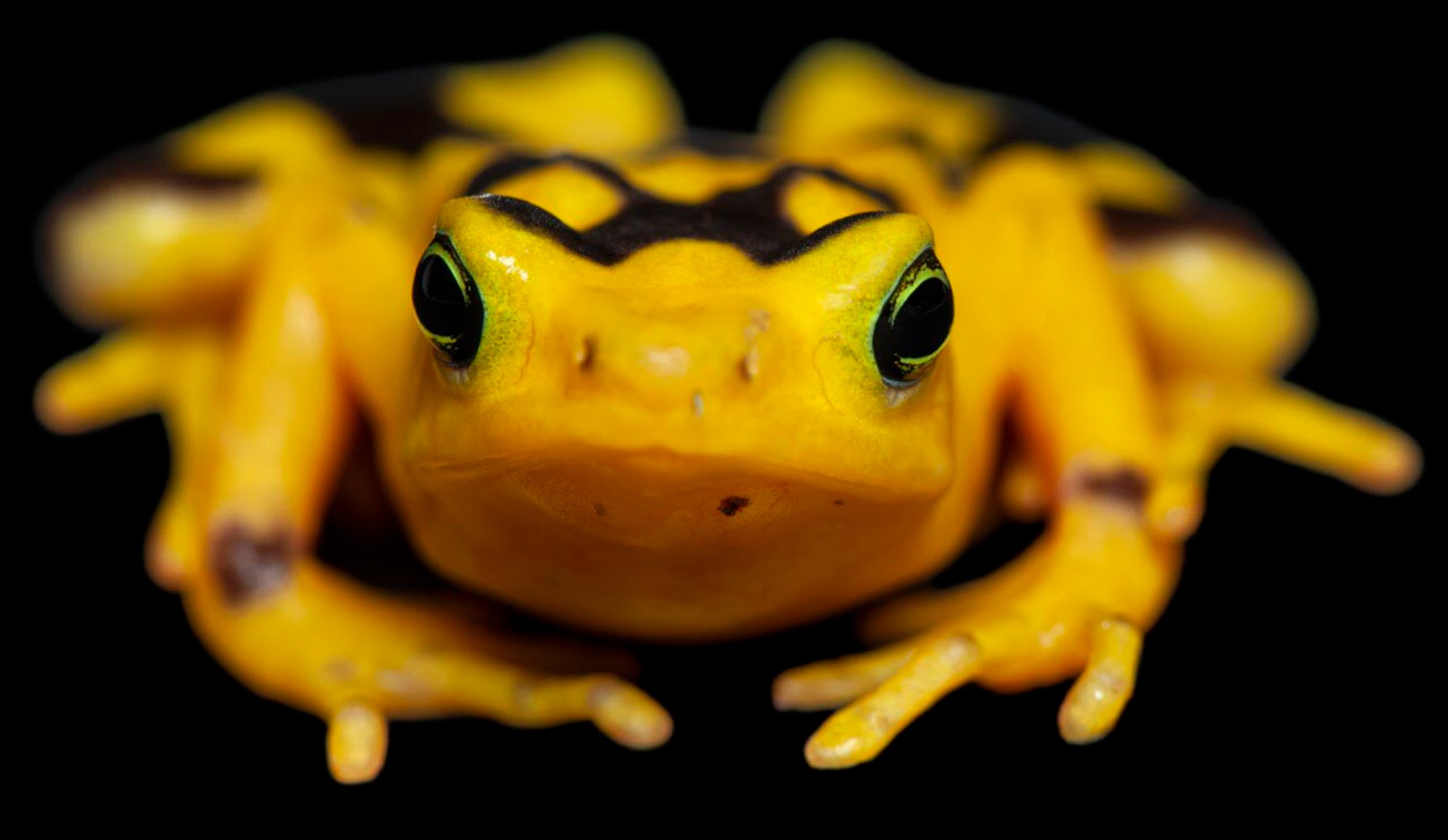
New research from the Smithsonian Institution has identified potential climate refuges in Panama where endangered frog species could survive a disease that has devastated their populations for decades.
The discovery opens up new possibilities for reintroducing captive-bred amphibians into natural environments with less favorable conditions for the development of the fungus responsible for their disappearance.
The study, developed by scientists from the Smithsonian Tropical Research Institute (STRI) and the National Zoo and Smithsonian Conservation Biology Institute, was published in the Journal for Nature Conservation.
The researchers used climate models and disease distribution maps to locate areas with higher survival rates.
The main threat is chytridiomycosis, a disease caused by the fungus Batrachochytrium dendrobatidis, which began to spread through Central and South America in the 1970s.
Its expansion has led to the disappearance of numerous amphibian populations, particularly species of the genus Atelopus, known as harlequin toads.
Among the affected amphibians is the Panamanian golden frog (Atelopus zeteki), an ecological and cultural symbol of the country, which has not been recorded in the wild for more than 15 years.
Their survival currently depends on specialized breeding and conservation programs, developed to prevent their definitive extinction.
The problem for scientists is that the fungus remains present in much of these species’ former habitat. Attempts to reintroduce human-bred specimens into the forests have resulted in significant losses due to infection, even after years of breeding and preparation.
Brian Gratwicke, a conservation biologist at the Smithsonian and one of the authors of the study, explained that identifying climate refuges will allow for better selection of release sites.
The tool seeks to reduce the losses observed in previous experiences, when reintroduced animals were exposed to the pathogen that persists in the environment.