
1,200 Jobs Available for Young People to Rebuild Houses After the Earthquake.
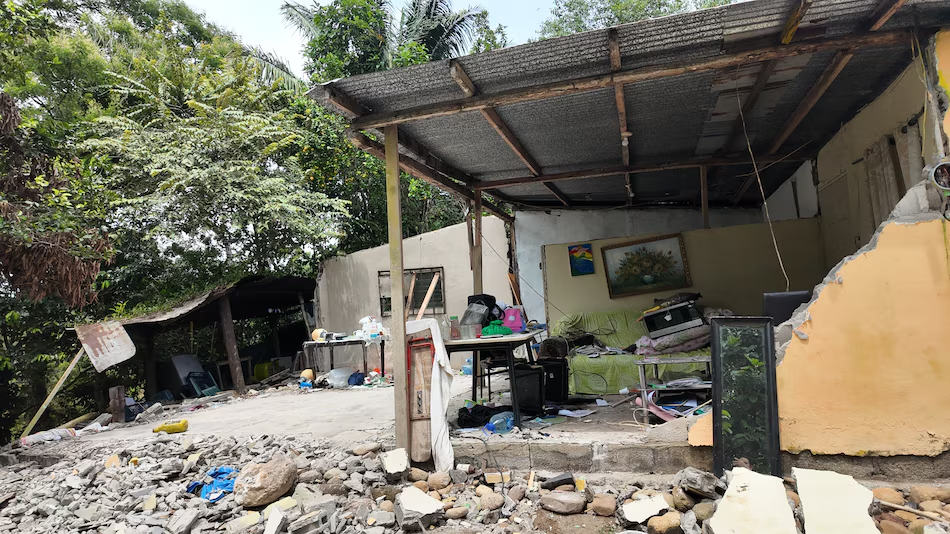
Approximately 1,200 young people and job seekers will be able to join the reconstruction efforts for homes affected by the earthquake of October 9th, through the “My First Construction Job” program.
The Minister of Labor, Jackeline Muñoz de Cedeño, announced that the initiative will last three months in the provinces of Herrera, Los Santos, Veraguas, and Coclé. The salaries will be jointly funded by the government and companies contracted by the Ministry of Housing.
According to Muñoz, the program seeks to fast track the recovery of homes and offer work experience to participants.
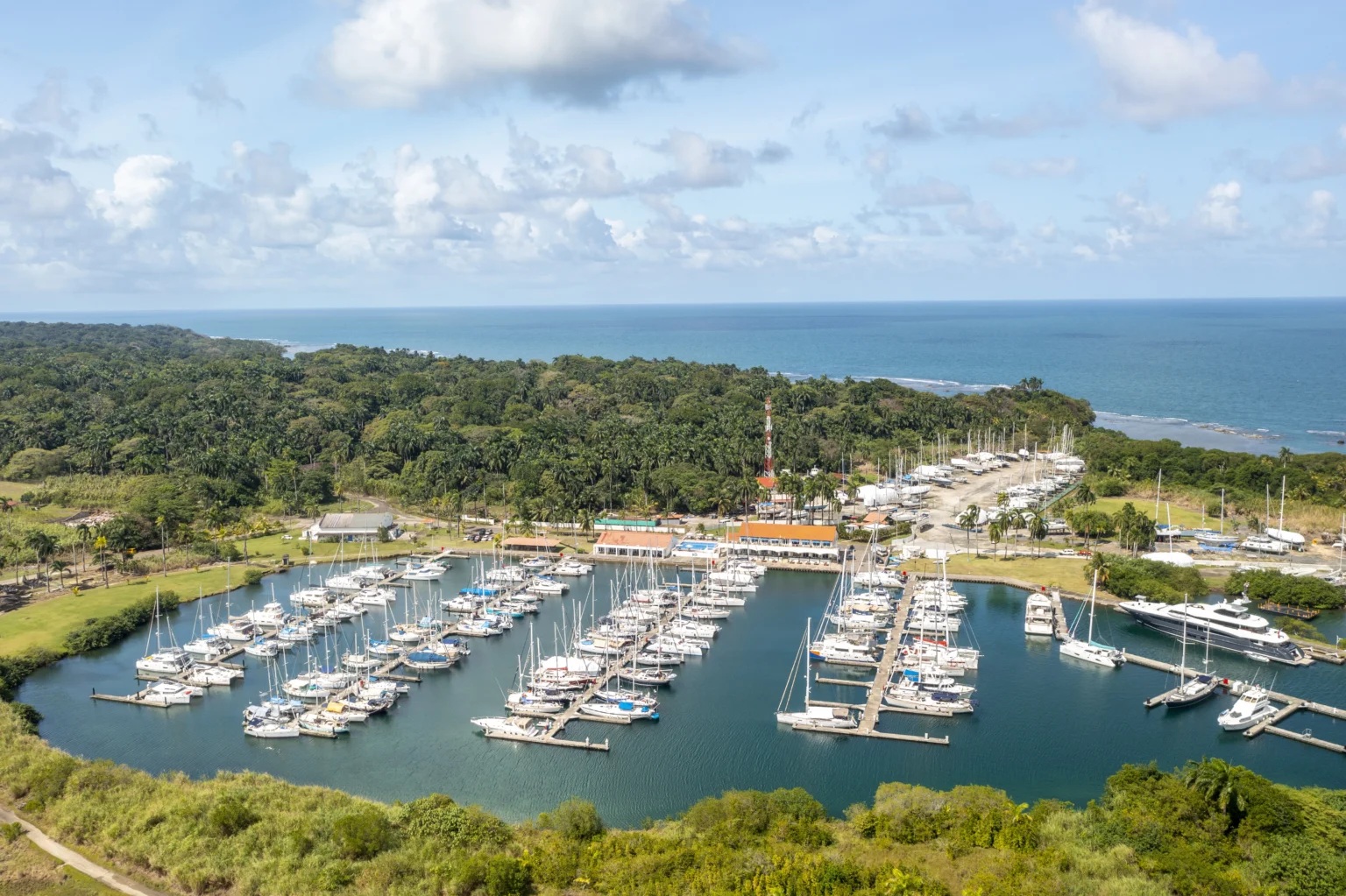
Thousands of Jobs are Floating in the Ocean
Giuseppe Cicatelli, businessman and founder of Bacalia Group, visited Panama during the World Economic Forum, October 21 and 22. At this forum, public and private leaders discussed the country’s strategy. Cicatelli expressed the potential of the sea as a source of employment and development for Panama. Cicatelli is part of New Champions, the World Economic Forum’s community of fast-growing companies.
He stated that Panama has the potential to generate thousands of jobs around nautical tourism, an activity that can directly benefit coastal communities through services for vessels, technical training and opportunities for artisanal fishermen.
To explain the opportunities that nautical tourism represents, Cicatelli cited the experience of Puerto Rico, where Grand Caribbean Marinas, a Bacalia Group company, owns and operates six marinas. These facilities accommodate approximately 3,000 vessels. Around 50 concessionary businesses operate in the surrounding area, and the company estimates that this entire network supports roughly 1,000 jobs, both direct and indirect.
Behind every boat there is work for many employees: repairing engines, cleaning hulls, tourism, running the fishing boats, selling ice and bait just to mention a few. That employment stays in the community Cicatelli stated. One of the advantages of this activity is that many of the jobs do not require a university degree, but rather technical knowledge and experience in certain trades. Other opportunities include jobs for captains, welders, electricians, divers, fishing guides, and maintenance personnel.
Cicatelli believes that Panama has an advantage due to its location and the movement of ships between the Pacific and the Caribbean. In his view, each port call represents an opportunity to offer repairs, supplies, and other services. However, he believes the challenge lies in ensuring that this maritime traffic translates into jobs for the residents of coastal towns.
In order to reach that goal, he proposed promoting two measures: developing technical courses related to nautical trades and establishing rules that allow artisanal fishermen to work as guides and providers of tourist services. Nautical tourism should not be limited to the arrival of boats, but should generate a chain of services capable of creating job opportunities in communities near the Panamanian coast.