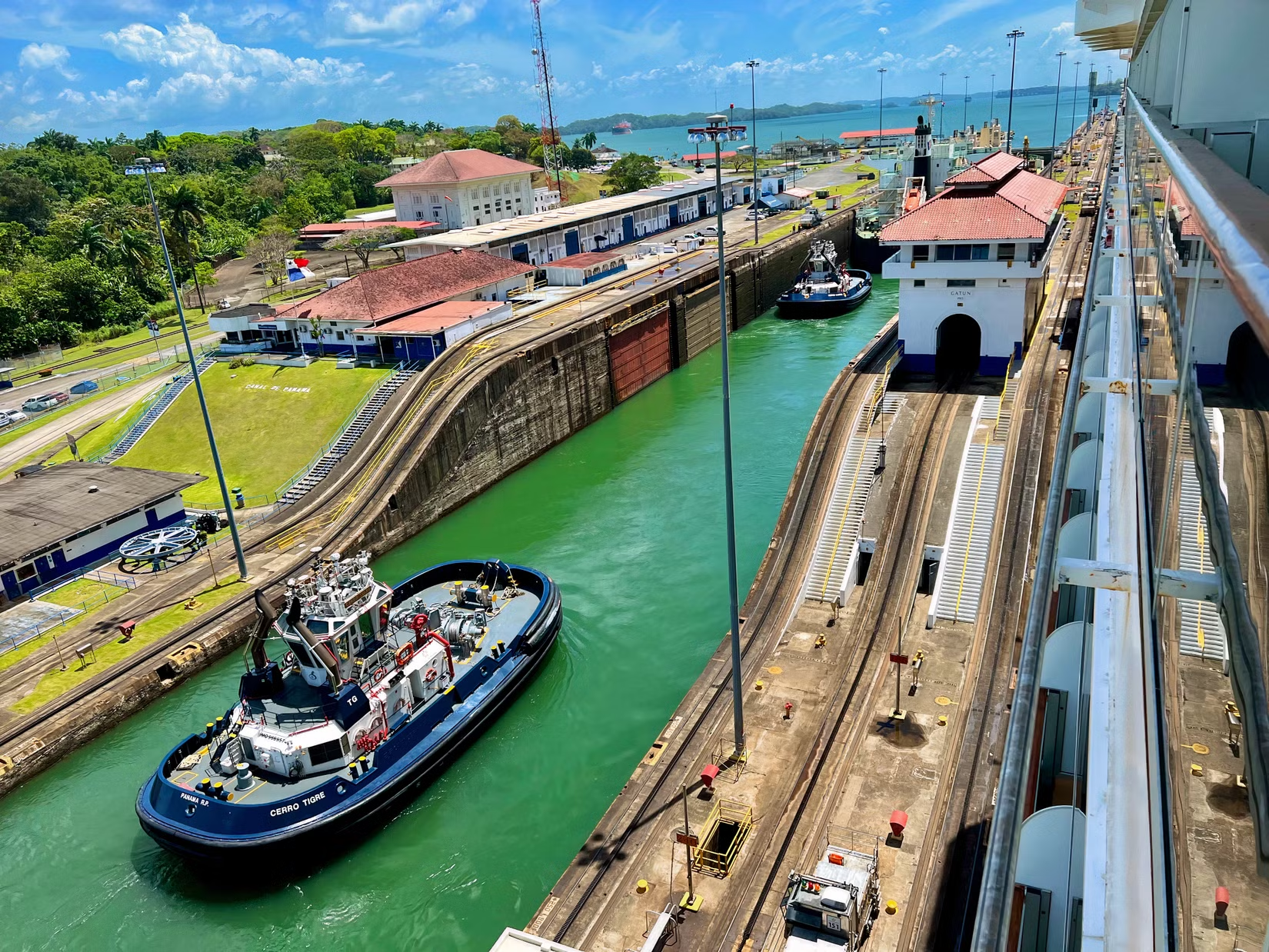

Is the Panama Canal at Risk during an Earthquake?
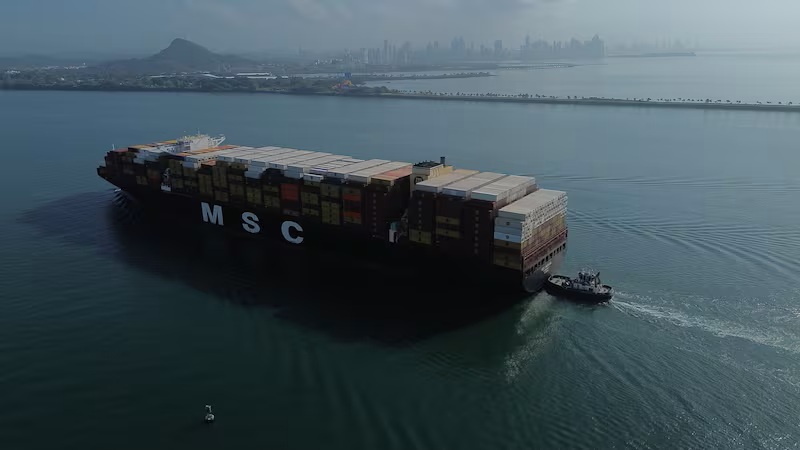
Yes, the Panama Canal could be at risk during an earthquake, though its infrastructure is highly reinforced against seismic activity. Any vulnerabilities were brought into sharp focus on October 9, 2026, when a powerful magnitude 7.5+ earthquake struck southern Panama. While the canal emerged largely unscathed and maintained normal operations, the event highlighted the active tectonic features that scientists and engineers closely monitor. The Pedro Miguel Fault, an active seismic fault runs directly beneath the canal’s lock structures. A major rupture on this specific fault line represents the greatest structural threat to the physical integrity of the locks.
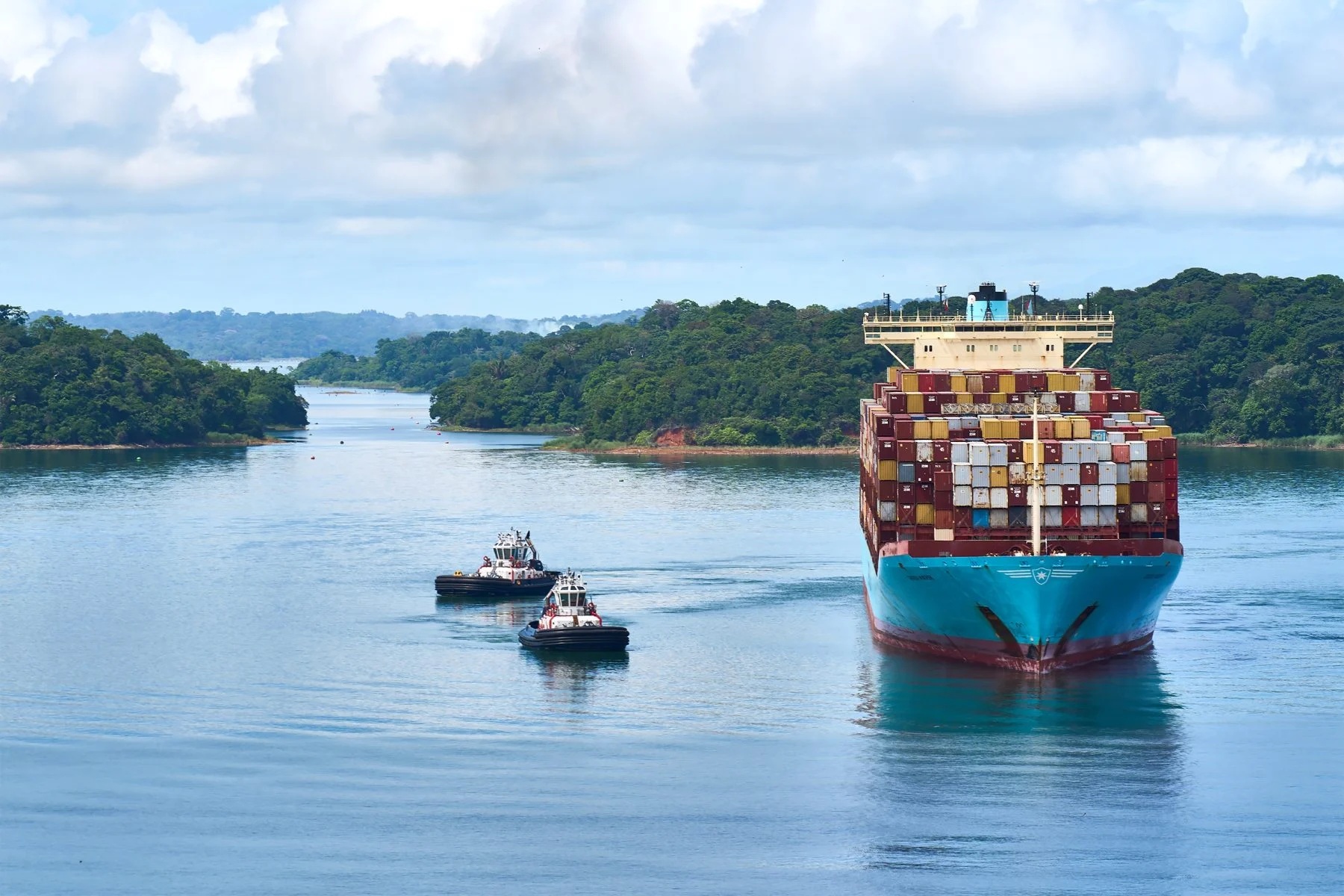
This does not mean the Canal is about to experience an earthquake , but rather that this is a geological structure that needs to be studied to better understand the potential hazards. While the canal’s post 2016 seismic reinforcements and gravity-based design successfully withstood the October 2026 tremors, there are geologic “pressure points” that present a continuous, theoretical risk of a direct hit. The canal relies entirely on Gatún Lake as its sole water source to operate the lock chambers. Any catastrophic seismic failure of the dam system would empty the canal’s water supply and halt transit entirely.
The Gaillard Cut (Culebra Cut): This artificial valley features exceptionally steep slopes that are highly prone to massive landslides. A severe nearby earthquake could trigger a slope failure, spilling earth into the channel and physically blocking maritime traffic. The magnitude 7.5+ earthquake on October 9, 2026, served as a real-world stress test. The Panama Canal Authority (ACP) activated emergency protocols and dispatched technical engineering teams to inspect all critical infrastructure, including dams, locks, and crossunders.
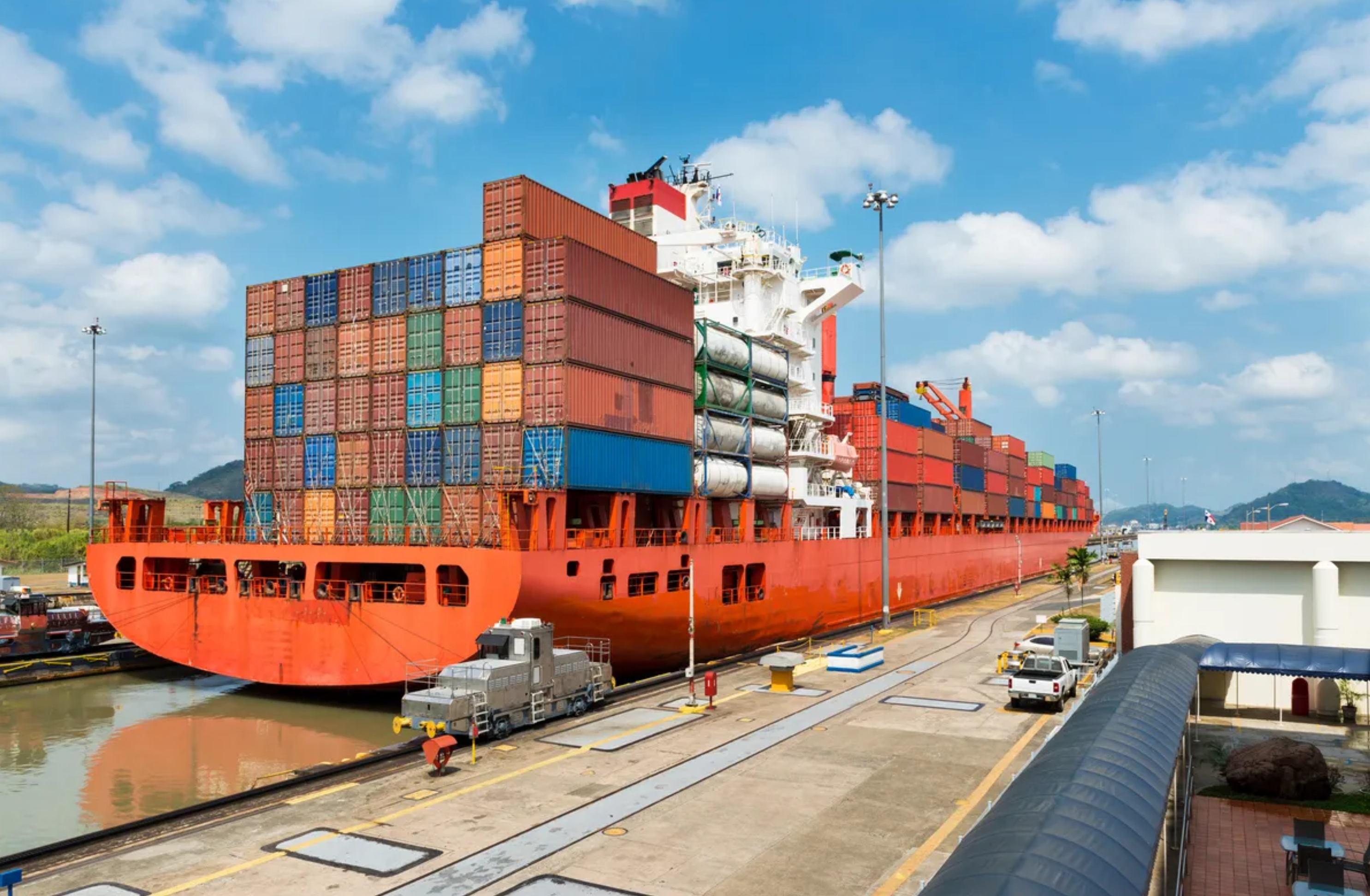
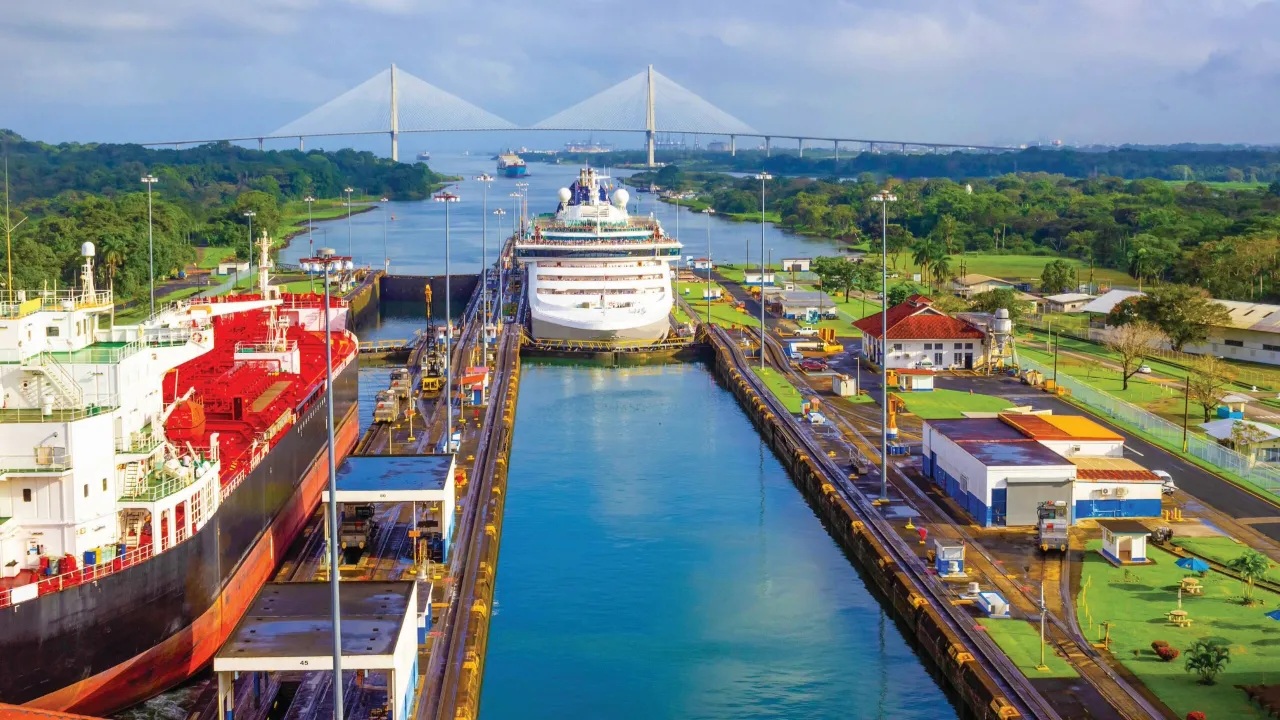
After a catastrophic event the Canal Authority immediately dispatches highly trained engineering and technical teams to conduct safety assessments at critical infrastructure points. The locks, dams, reservoirs, and strategic crossings such as Bridge of the Americas and the Centennial Bridge are all areas of that require safety assessments. In addition, vessel transit operations are closely monitored or momentarily restricted. However, because the canal carries roughly 5% of global trade, any future earthquake that scores a “direct hit” on the Pedro Miguel fault remains a major focus for the global supply chain risk management.
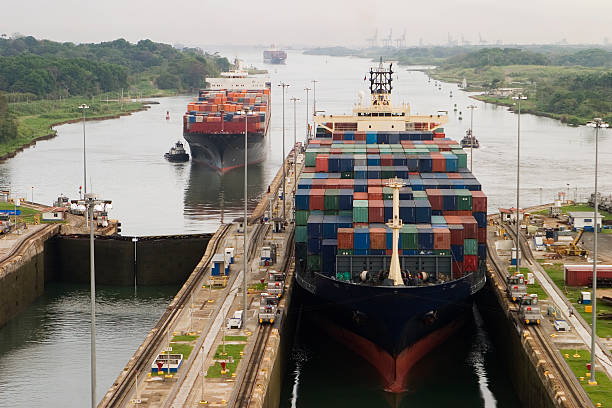
Emergency protocols dictate an assessment of administrative buildings and utility plants. Backup generator systems are evaluated to ensure that localized failures in the national grid do not cut off power to the locks’ electronic control systems and towing locomotives pictured above.