
$6.6 Billion in the Fiscal Year 2026. Panama Canal Breaks its Revenue Record.
These are the highest revenues received by the interoceanic waterway, driven by the ability to handle larger ships with the expansion.
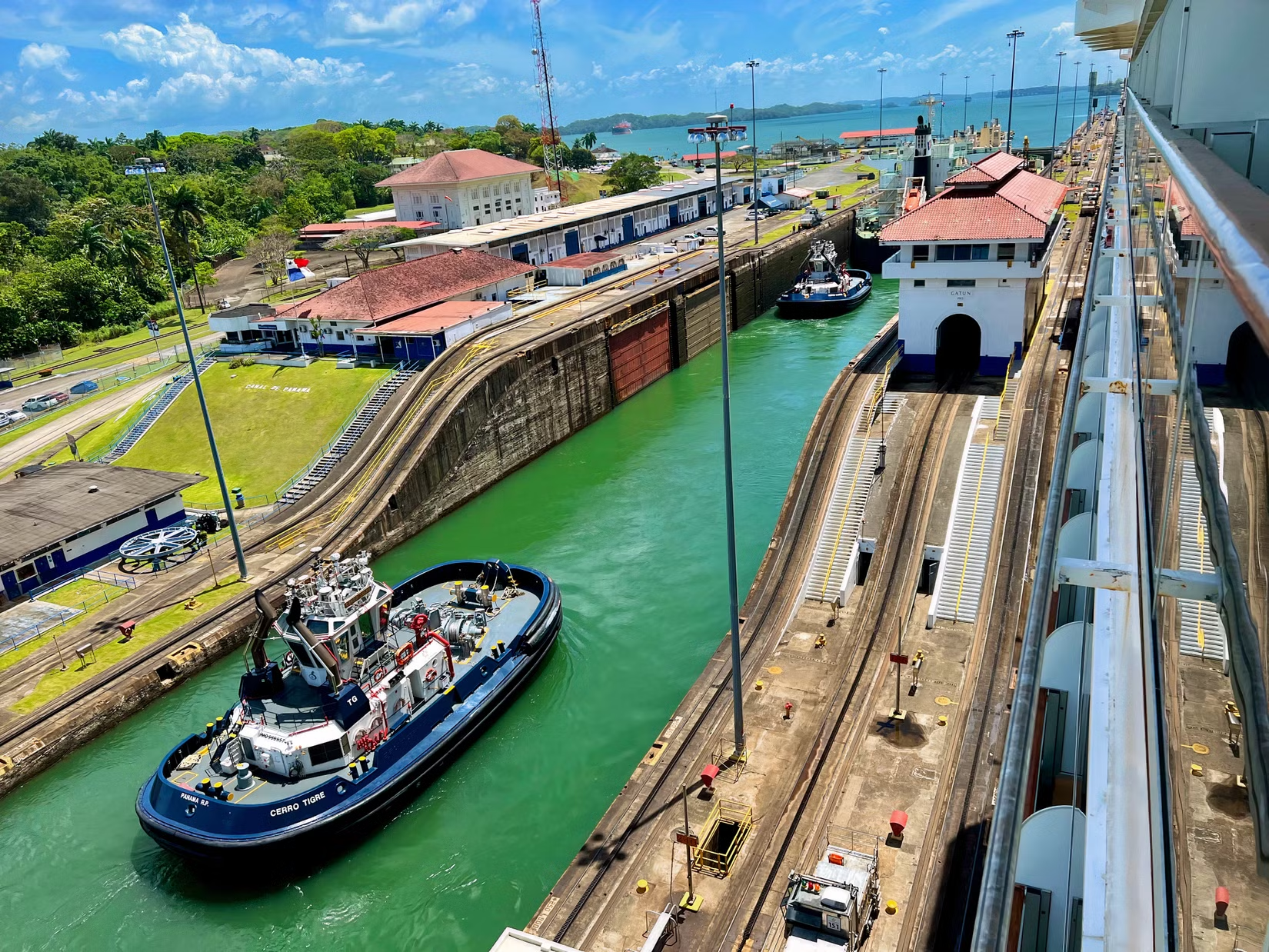
The Panama Canal achieved record revenues of $6.6 billion in fiscal year 2026, according to preliminary figures, still to be audited, released by the Panama Canal Authority (ACP). The expansion of the Canal has allowed the interoceanic route to take advantage of the passage of larger ships, attracting traffic, generating higher revenues from cargo passing through, and becoming one of the safest routes for global maritime trade amidst geopolitical tensions in the Middle East. In contrast to last year when the Canal reported revenues of $5.705 billion, the $6.6 billion reported this year 2026 represents an increase of 15.69% and the highest figure generated by the interoceanic waterway in the more than 26 years of administration since December 31, 1999 in Panamanian hands.
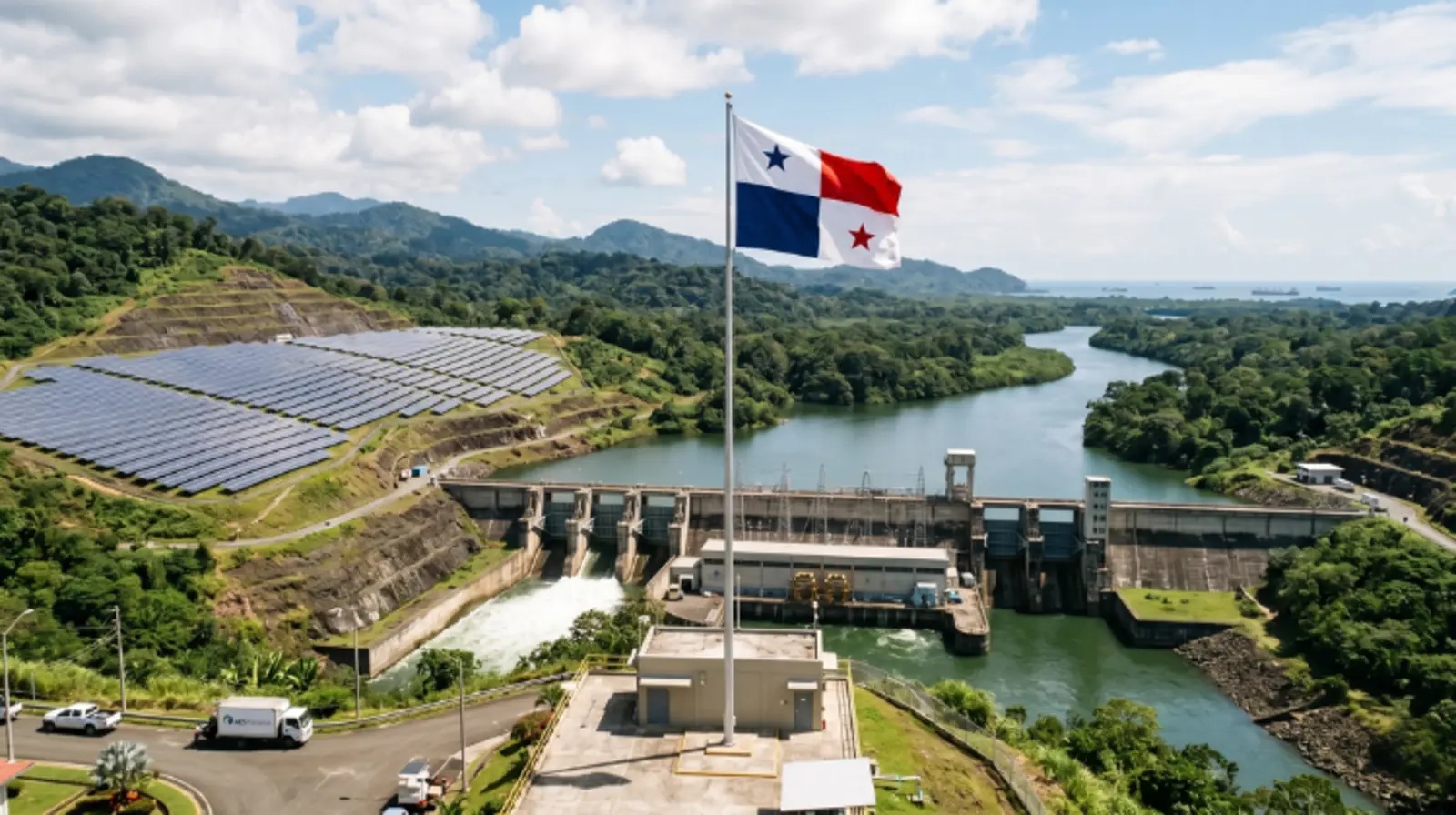
The Panama Canal offered an update on its fiscal year 2026 results today, Wednesday, in a call organized by Anna Milne, Managing Director of Corporate Research for Emerging Markets at Bank of America Merrill Lynch. The Panama Canal Administrator, Ilya Espino de Marotta, the Deputy Administrator Miguel Lorenzo, and the Vice President of Finance, Juan Mojica, participated in the call, where they offered details of the Canal’s water strategy and the progress of the initiatives that make up the Canal’s Vision 2025-2035, including the Rio Indio Lake Project.
“The Panama Canal, far from restricting trade flows, is a facilitator of international maritime trade by offering its users a reliable and safe route.” The results for Fiscal Year 2026 highlight the performance and commitment of its workforce; and confirm the Panama Canal’s ability to respond to a complex global environment with solid results.
Operational Performance.
During Fiscal Year 2026, the Panama Canal recorded 13,951 transits, a 4.1% increase over the 13,404 in Fiscal Year 2025, driven by the energy segments and the strong performance of container ships. On the other hand, 521 million CP/SUAB tons (Panama Canal Universal Measurement System) were reached, representing an increase of 6.5% compared to the 489.2 million CP/SUAB tons of the same period of the previous year. Canal authorities explained that the performance was led by transits through the Neopanamax locks, which contributed more than half of the total tonnage (52.2%) and registered an 8.2% increase in tonnage compared to the previous fiscal year.
“These results show a sustained recovery in demand, partly due to the effect of variations in international trade flows, as the Canal maintained a maximum draft of 50 feet throughout the dry season, allowing for favorable operating conditions for users of the waterway,” the ACP stated in a press release.
The Power of Expansion.

José Luis Quijano pictured above, former administrator of the Canal, stated that in addition to the record revenue, the Canal achieved another record, with the amount of tonnage moved through the interoceanic route. “That tonnage would never have been achieved without the expansion. The maximum possible tonnage without the expansion was 340 million tons. The expansion has allowed us to handle larger ships, which are charged higher fees. Furthermore, we have taken advantage of the fact that when there are imbalances in shipping routes, we can transport greater tonnage through the Canal,” Quijano emphasized.
“In 2026 we have managed to increase capacity to 521 tons CP/SUAB, 53% more attributable to the expansion of the Canal which has allowed the transit of significantly larger ships.”
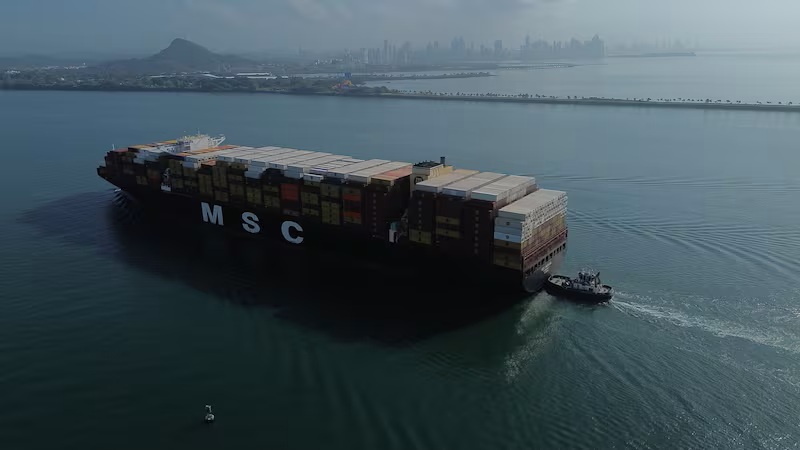
Quijano explained that a Panamax container ship can transport an average of 5,000 TEUs, while the new record with the expansion is a Neopanamax container ship with a capacity of 17,640 TEUs. That is, a ship with 3.5 times the capacity of a Panamax. “That economy of scale also allowed for adjustments in prices for transiting the Canal, yielding record revenues,” he highlighted.
Last-Minute Bookings Enabled.
This Wednesday, the Canal announced that, given the water conservation measures implemented and the positive impact of recent near-average rainfall levels in the watershed, the “Last-Minute Reservation” service for ships using the Panamax locks has been reinstated for shipping companies. This service offers an additional alternative for ships that do not have a reservation when a slot becomes available and the Panama Canal, at its discretion, decides to offer it.
CP/SUAB (Panama Canal Universal Ship Volume Tonnage System)
CP/SUAB, that is, the Panama Canal Universal Ship Volume Tonnage System, is the standard system used to measure the gross tonnage of vessels transiting the Panama Canal.