Buying a Kitten: 10 Things to Check Before Paying a Deposit
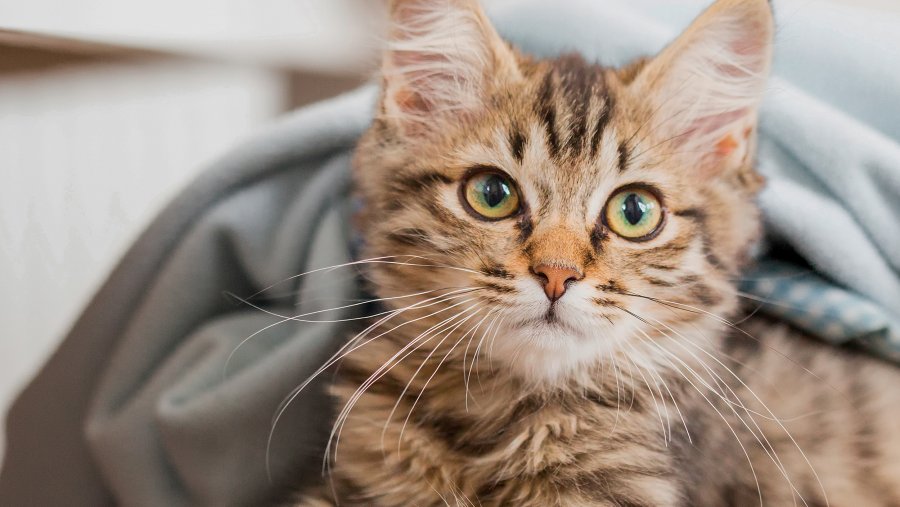
Finding a kitten online can take minutes. Deciding whether that kitten, seller and purchase arrangement are right for you takes longer. Beautiful photographs offer a starting point, but they cannot explain how an animal was raised, what its records contain or whether its personality suits your home.
For first-time owners, the most useful approach is to separate the decision into practical questions: Who is providing the kitten? What can they document? What happens after you bring it home?
Whether you are comparing nearby breeders, visiting a kitten store or researching options elsewhere in the United States, use this checklist before making a financial commitment.
1. Decide What Fits Your Household Before Choosing a Breed
Start with your routine, not a photograph. Consider how much time you can give to play, grooming and daily care, who will look after the cat when you travel, and whether everyone in your household welcomes the idea.
Write down three priorities and three limitations. Your priorities might include a sociable companion, manageable grooming and suitability for apartment living. Limitations could include frequent travel, an existing pet or a rental agreement that requires approval.
Breed research can help narrow your search, but it should not replace meeting the individual animal. The Merck Veterinary Manual’s guidance on selecting a cat emphasizes personality and behavior rather than appearance alone.
Also consider whether an adult cat from a shelter or rescue would suit your circumstances better than a kitten.
2. Understand Who You Are Buying From
A breeder, kitten store and online matching service may play different roles. Ask who bred the kitten, where it currently lives and which business or individual will appear on your agreement.
For U.S. buyers searching “cat shop near me,” Happy Paws US offers an online starting point and identifies a physical store in Pembroke Pines, Florida. Its website provides kitten listings and information about its placement process. Confirm current availability, visiting arrangements and the terms for your chosen kitten directly.
Apply the same questions to every provider. A website is useful for research, but the decision should rest on specific answers and documentation.
For readers based in Panama, a U.S. listing should not be mistaken for a local option. Establish where the kitten is located before discussing collection or travel.
3. Meet the Specific Kitten You Are Considering
Ask to meet the kitten in person where practical. If distance makes that difficult, request a live video conversation showing the individual animal rather than relying entirely on prerecorded clips.
Use the meeting to ask ordinary questions. What was the kitten doing before the call? Where does it usually play? Who handles it each day?
A live conversation is one part of verification, not a substitute for checking the seller’s identity and paperwork. Keep a record of the kitten’s identifying details so the animal discussed matches the agreement.
The International Cat Association offers a useful reminder:
“Take your time to assess the breeder and the cat or kitten thoroughly.”
— TICA, Pet Buyer’s Guide
If you feel rushed, pause. Enthusiasm should not prevent you from asking reasonable questions.
4. Ask About Personality and Daily Experiences
“Friendly” is a helpful beginning, but it is not a complete description. Ask how the kitten behaves during normal routines, around unfamiliar people and when introduced to something new.
The Cat Fanciers’ Association includes this question in its buyer guidance:
“What is the personality of this specific kitten?”
— CFA, Finding the Purr-fect Pedigreed Kitten
Make the discussion concrete:
- Does the kitten approach people or prefer to observe first?
- What games and toys hold its attention?
- What experience does it have with children or other animals?
- How does it respond to handling and grooming?
- What does an ordinary day look like?
Describe your own household honestly. The aim is not to find a kitten that sounds perfect, but one whose needs you understand.
5. Know What Each Document Actually Tells You
Request the records available for the specific kitten, rather than accepting a general statement that all animals receive care. Ask your veterinarian to review anything you do not understand.
Different documents answer different questions. Keeping them separate makes comparisons easier.
| Document or information | What to check | What not to assume |
| Veterinary record | Kitten identification, examination dates and recorded findings | An examination guarantees future health |
| Vaccination record | Products, dates and the administering provider | A marketing label explains every vaccination detail |
| Relevant test results | Which animal was tested, the test performed and its date | One test screens for every possible condition |
| Pedigree or registration | Issuing organization and matching identity details | Registration replaces veterinary evidence |
| Written agreement | Parties, kitten details, payments and responsibilities | Verbal assurances automatically appear in the contract |
Save copies in one folder. If a document will only be supplied later, ask when you will receive it and have that arrangement recorded before paying.
6. Read the Deposit and Purchase Terms Carefully
Before reserving a kitten, understand exactly what the deposit secures. Does it reserve a named animal, a place on a waiting list or a future litter?
Read the agreement without the pressure of a live sales conversation. Highlight anything unclear, then ask for a written explanation.
Your questions should include:
- Is the deposit refundable, and under what circumstances?
- When is the remaining balance due?
- What happens if the kitten becomes unavailable?
- Which services or items are included in the price?
- What does any health guarantee cover or exclude?
- What process applies if a problem arises after collection?
Do not treat a reassuring heading as a complete answer. The practical details underneath it are what allow you to compare offers fairly.
7. Budget for Ownership, Not Just the Purchase
A kitten’s advertised price is only one part of the decision. Build a simple budget before committing, using quotes from providers in your area rather than a single national estimate.
Divide your spending into three groups:
| Budget category | Examples to include |
| Initial setup | Carrier, litter equipment, bowls, scratching surfaces and first veterinary appointment |
| Recurring care | Food, litter, routine veterinary care and replacement supplies |
| Contingency and lifestyle | Unexpected treatment, pet sitting, boarding and travel arrangements |
Ask what equipment and supplies come with the kitten so you do not buy duplicates. Then identify the essentials you still need.
A practical affordability test is whether you can cover normal care without depending on nothing ever going wrong. If the purchase leaves no room for ongoing expenses, waiting may be the better decision.
8. Check Payment Arrangements and Seller Identity
Before sending money, compare the business name on the website, agreement and payment request. If they differ, ask why.
The Federal Trade Commission’s pet-scam guidance recommends researching sellers, checking whether photographs have been copied and arranging an in-person or video meeting. It also warns against demands for payment through gift cards, wire-transfer services or cryptocurrency.
Look beyond testimonials displayed on the seller’s own website. Search for independent experiences and pay attention to recurring, specific complaints rather than judging by a star rating alone.
Keep the listing, correspondence, agreement and receipts. Unexpected payment changes deserve clarification before you proceed, particularly when accompanied by pressure to act immediately.
9. Plan Collection and the First Veterinary Visit
Confirm the handover details before booking time off or arranging a journey. Agree on the date, location, contact person and documents that will accompany the kitten.
Ask which food and litter the kitten currently uses, and request written care notes. Arrange an initial veterinary appointment and check whether your agreement specifies a timeframe for an examination.
If transport is involved, establish who is responsible for each stage and how delays will be communicated. Do not assume an advertised delivery option applies to every destination.
For an international move, contact the relevant authorities and carrier before making commitments. A seller’s domestic transport service does not establish eligibility for entry into another country.
10. Prepare Your Home and Confirm Follow-Up Support
Before arrival day, decide where the kitten’s supplies will go and which household member will handle each routine. Agree on feeding responsibilities, cleaning and who will contact the veterinarian when needed.
Complete any landlord approval first. Newsroom Panama’s guide to moving into a rental with pets highlights why pet arrangements should be clarified before a move; the same planning principle applies before bringing home a kitten.
Finally, ask who can answer routine questions after collection and how to reach them. Seller support can be useful, but medical concerns belong with a veterinarian.
A smooth handover includes more than the kitten: it includes clear information and realistic expectations.
Frequently Asked Questions
Is buying a kitten online always a bad idea?
Online research can help you discover options. The important distinction is between finding a seller online and paying without verifying the kitten, seller and terms. Use the website as the beginning of your checks.
Should I choose the nearest seller?
Distance matters for visits and collection, but it should not outweigh transparency, suitability and documentation. Compare the complete arrangement rather than choosing by proximity alone.
What if I am not ready to decide?
Wait. Ask for the missing information, review your budget and discuss any concerns with your veterinarian. A long-term commitment deserves more consideration than an appealing photograph.
Choose With Confidence, Not Urgency
Before paying a deposit, you should understand which kitten you are choosing, who is responsible for the sale, what the paperwork says and how you will provide ongoing care. Those answers create a far stronger foundation than a quick decision based on appearance or availability.