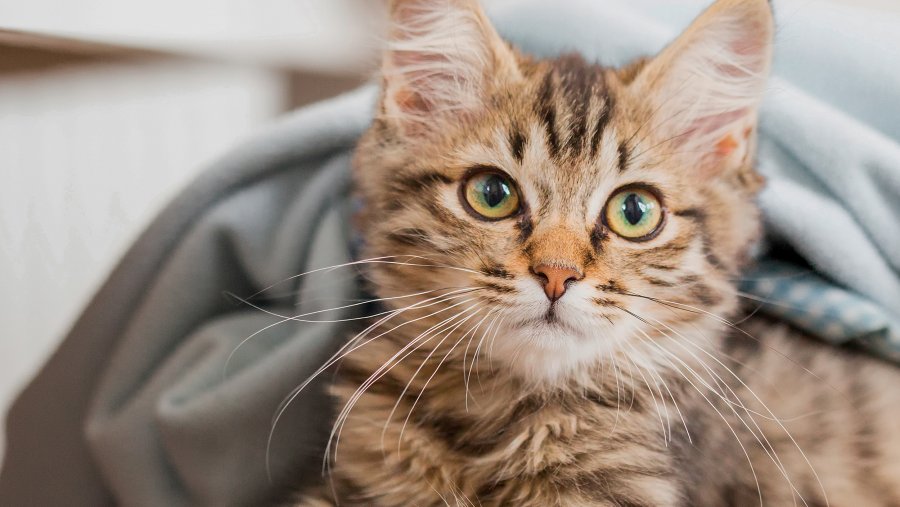
Why Some Cats Don’t Like Being Held
Some cats happily climb onto a person’s lap, fall asleep in their arms, and seem perfectly comfortable being carried around the house. Others enjoy being stroked but immediately struggle when someone tries to pick them up. A third group may avoid close physical contact almost entirely. These differences are normal. A cat’s willingness to be held depends on temperament, early socialization, previous experiences, physical comfort, and how much control the animal feels it has over the interaction.
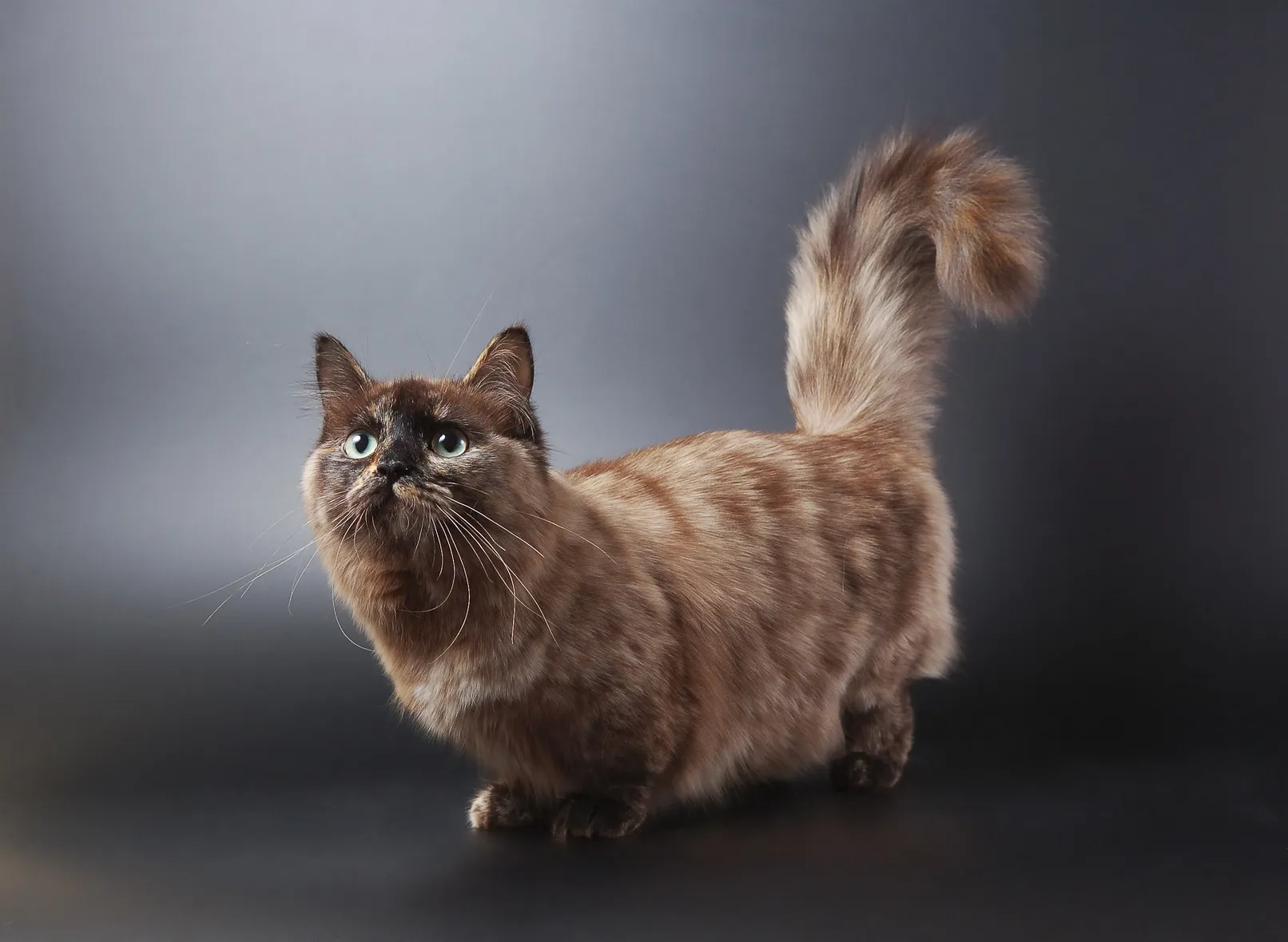
Breed can influence general behavioral tendencies, but it cannot reliably predict whether an individual cat will enjoy being carried. Someone choosing a munchkin cat, for example, should not assume that the cat will automatically become a lap cat because of its breed or appearance. Two kittens from the same litter can develop noticeably different preferences for physical contact, even when raised in the same home.
A major reason is simple – being picked up removes a cat’s control over movement. Cats are both predators and potential prey animals, and their ability to move quickly is an important part of how they respond to the environment. When all four paws suddenly leave a stable surface, a cat can no longer choose its direction or immediately retreat. Some animals tolerate this well, while others find the restriction uncomfortable.
Early socialization makes a difference
Experiences during kittenhood can strongly influence how a cat reacts to people later. Kittens that experience gentle, positive handling during their early socialization period generally have more opportunities to learn that human touch is safe. The quality of those experiences matters as much as their frequency. Rough handling, excessive restraint, frightening interactions, or being repeatedly picked up when trying to escape can create negative associations.
Socialization is not a guarantee, however. A well-socialized adult may still dislike being carried while happily seeking other forms of contact. It might sleep beside its owner, rub against their legs, follow them through the house, or request head scratches. None of these behaviors requires the cat to accept restraint.
Individual differences are therefore important when choosing and raising a kitten. Whether a person adopts locally, works with a breeder, or encounters a service such as https://www.kittensup4sale.com/ while researching kittens, observing the individual animal’s temperament remains more informative than expecting a particular behavior solely because of breed.
Affection and being held are not the same thing
One of the most common misconceptions is that a cat that refuses to be held is less affectionate. Feline affection can take many forms. A cat may sit next to its owner rather than on them. It may sleep at the foot of the bed, slowly blink at a familiar person, rub its face against them, or simply remain nearby.
For that cat, proximity may be more comfortable than restraint. Humans naturally associate hugging and holding with affection, but cats do not necessarily interpret physical contact in the same way.
This explains an apparently contradictory behavior that many owners observe – the cat voluntarily climbs onto someone’s lap but protests when that person picks it up. On the lap, the animal controls the interaction and can leave whenever it wants. Being carried changes that situation because the human controls when and where the cat can move.
Genetics and personality matter
Temperament has a genetic component, although environment also has a substantial influence. Some cats are naturally bold, socially confident, and tolerant of handling. Others are more cautious or sensitive to physical restriction.
Breed tendencies can provide broad expectations, but they should never be treated as rules. Even breeds frequently described as sociable can contain individuals that dislike being carried.
Personality can also change with age. A highly active kitten may resist being held simply because it wants to explore. As an adult, the same animal might become more tolerant of quiet physical contact. Senior cats may behave differently again, particularly if arthritis or another painful condition makes certain positions uncomfortable.
Could pain be the reason?
A sudden change in tolerance for handling deserves attention. If a cat previously enjoyed being picked up but suddenly begins struggling, vocalizing, biting, or avoiding touch, discomfort should be considered.
Possible medical causes include arthritis, injuries, dental pain, abdominal discomfort, skin problems, or other painful conditions. The location of the discomfort can influence the reaction. A cat with back or joint pain, for example, may object specifically when pressure is applied during lifting.
Behavioral changes associated with pain can be subtle because cats often conceal physical vulnerability. A veterinary examination is appropriate when avoidance of handling appears suddenly or is accompanied by reduced activity, altered appetite, limping, hiding, unusual posture, or changes in grooming.
How to read a cat before picking it up
Cats frequently communicate discomfort before they struggle or bite. Recognizing these signals allows an owner to stop the interaction before the animal feels forced to escalate its response.
Watch for ears rotating backward or flattening, rapid tail movements, tense muscles, attempts to turn away, enlarged pupils, skin twitching, growling, or repeated efforts to escape. A cat showing these signals should be given space.
A relaxed cat usually has softer muscles and a neutral posture. Even then, relaxation does not automatically mean permission to pick it up. Learning the preferences of the individual animal is more useful than applying one rule to every cat.
Holding tolerance: comfortable vs uncomfortable behavior
| Behavior | Cat comfortable with handling | Cat uncomfortable with handling |
| Body posture | Relaxed and loose | Tense or rigid |
| Ears | Neutral or forward | Turned sideways or backward |
| Tail | Relaxed | Flicking or thrashing |
| Attempts to leave | Little or none | Frequent |
| Vocalization | Quiet or normal | Growling, hissing, distressed meowing |
| Response after release | Remains nearby | Quickly retreats or hides |
How to pick up a cat properly
When lifting is necessary, the cat’s body should be supported securely rather than allowed to hang. One hand can support the chest while the other supports the hindquarters. The animal should be held close enough to the body to feel stable without being tightly squeezed.
Never lift a cat by its legs, tail, or scruff. Avoid turning routine handling into a wrestling match. If the cat begins struggling, putting it down safely before the situation escalates can help prevent negative associations.
Short interactions are often more successful than prolonged holding. A cat that tolerates being carried for five seconds does not need to remain in someone’s arms for a minute simply to “get used to it.”
Can you teach a cat to accept being held?
Tolerance can sometimes be improved through gradual positive conditioning. Start with forms of touch the cat already accepts. Briefly place your hands in the position used for lifting, then release and provide something the cat values, such as a small treat or play session.
Later, gently shift the cat’s weight without fully lifting it. If the animal remains relaxed, progress to lifting it only slightly for a second before putting it down. Sessions should end before signs of discomfort appear.
The objective should not necessarily be to transform the cat into an animal that loves cuddling. A more realistic goal is comfortable tolerance of essential handling for transportation, veterinary care, grooming, or emergencies.
Forcing the process can have the opposite effect. Repeated restraint after a cat attempts to escape teaches the animal that subtle signals do not work. It may eventually skip those signals and immediately struggle, scratch, or bite.
Respecting a cat’s preferred type of affection
Owners can strengthen their relationship with a cat without carrying it. Interactive play, gentle petting, grooming when enjoyed, slow blinking, quiet companionship, and predictable routines all provide opportunities for positive interaction.
Giving a cat choices can actually increase social contact. When an animal learns that approaching a person will not automatically result in being grabbed or restrained, it may become more willing to stay nearby.
The important distinction is between tolerance and enjoyment. A motionless cat is not necessarily enjoying being held. Body tension, ear position, tail movement, and what the cat does immediately after release provide better clues about its emotional state.
A cat that dislikes being held is not necessarily unfriendly, poorly socialized, or emotionally distant. For some cats, being lifted simply removes too much control over movement. Genetics, early experiences, personality, handling technique, age, and physical health can all contribute to this preference.
Owners should pay particular attention when a cat’s behavior changes suddenly. A lifelong dislike of being carried may simply reflect temperament, while a new aversion to touch or lifting can sometimes indicate pain or another medical problem. Observing the circumstances surrounding the behavior helps distinguish preference from a potential health concern.
The strongest relationship does not depend on how long a cat will remain in someone’s arms. Understanding how an individual cat prefers to interact, respecting its signals, and making necessary handling predictable and gentle can build greater trust than repeatedly insisting on physical contact the animal does not enjoy.