San Miguelito Panama Cable Cars Completion Within 3 Years.
Uncontrolled urban growth in San Miguelito is what has justified the construction of the cable car. For those living in San Miguelito, understanding the scope of the project allows them to see how their daily commute might change. Nearly 300,000 residents would be using the service.
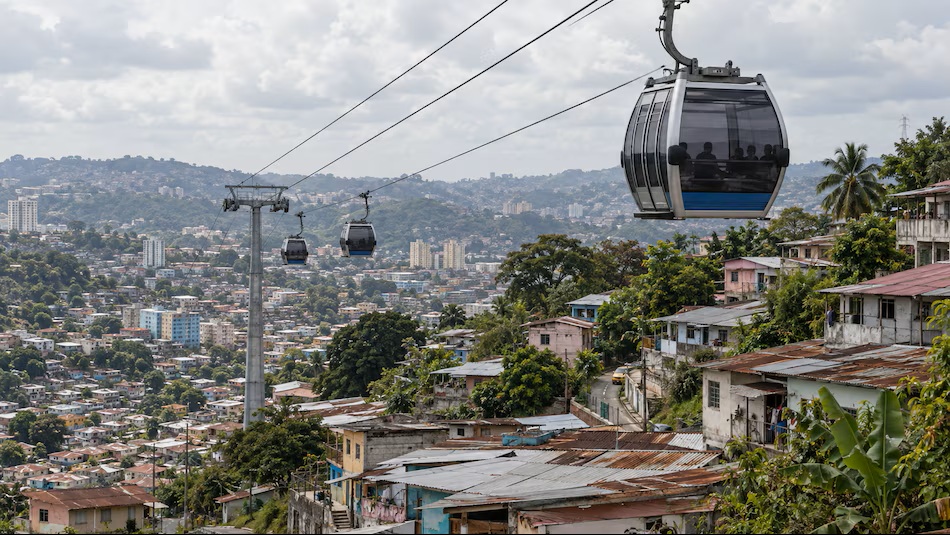
The cable car project that will cross San Miguelito has already been awarded and ratified. Now, the order to proceed is needed for construction to begin, which must be completed within three years. The Panama Metro awarded Doppelmayr Panama Corp. a $255.2 million contract to design, build, and operate the system, which will have six stations and a capacity to transport 2,000 passengers per hour in each direction.
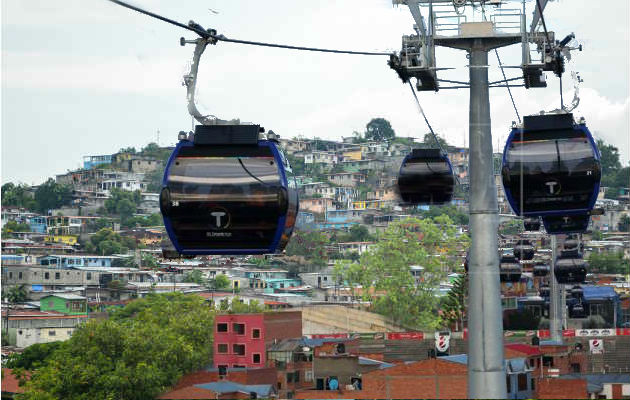
The fare for users is currently unknown. The project includes the construction of the six stations, the installation of the electromechanical system and the assembly of cabins, the civil works and road adaptation, the connection with Metro Line 2, the testing and commissioning of the system, as well as its maintenance, as outlined in the tender specifications.
When Would it be Ready?
The 38 months of execution do not correspond exclusively to the construction. The contract stipulates 30 months for completing the works and conducting operational tests. Following this, there will be six months to address any outstanding issues identified, and finally, two months for contract settlement. Therefore, the full contract term is 38 months, but that doesn’t mean the system will begin transporting passengers exactly at the end of that period. The starting point will be the notice to proceed, so the operational date will depend on when that notice is issued and how the work progresses.
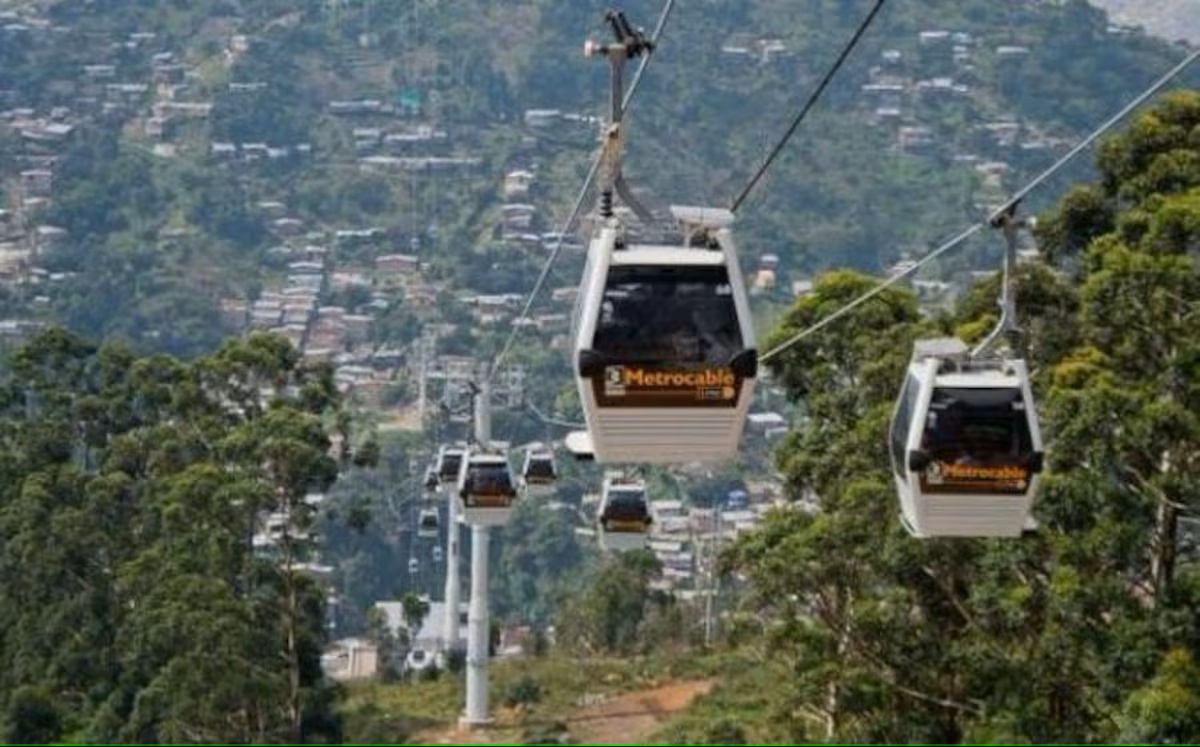
Therefore, the full contract term is 38 months, but that doesn’t mean the system will begin transporting passengers exactly at the end of that period. The starting point will be the notice to proceed, so the operational date will depend on when that notice is issued and how the work progresses. This will allow a passenger to transfer from one system to the other without having to go outside to make the connection. The station will also have facilities for storing, maintaining and washing the cabins, in addition to the cable car control center and user service centers.
What Happens at Each Station?
Balboa will be the southern terminal and will be located at the intersection of Vía España and Avenida Cincuentenario. It will connect with the MiBus fare zone and the existing pedestrian overpass on Vía España. The Cincuentenario station will be one of the system’s main hubs because, in addition to connecting with Line 2, it will concentrate a significant portion of the cable car’s operations. It will house the cabin garage, control center, offices, and customer service areas. An additional 2,400 square meters will be reserved for commercial premises , which would be operated by Metro de Panamá. The Samaria station will be located opposite the Republic of Korea School, on the ring road. Due to the terrain, slope stabilization will be necessary.
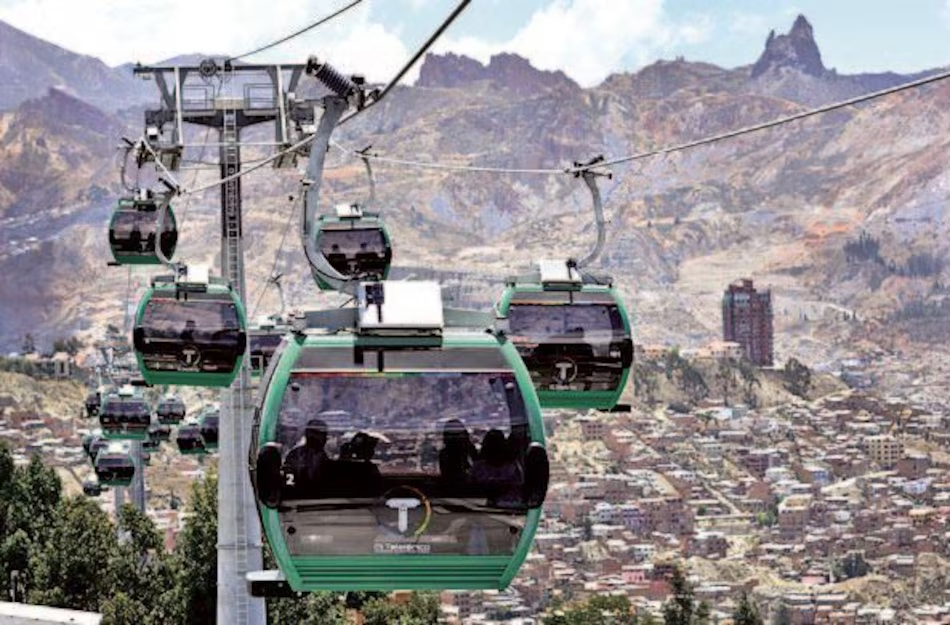
It will also include bus and taxi bays, and an elevated pedestrian walkway is planned in front of the school. Samaria is one of the points that best explains why the project is committed to an air transport system. The area, as a residential center, emerged in the late 1960s as an invasion, and its subsequent growth shaped an irregular urban layout, with narrow streets and sidewalks, steep slopes, and areas difficult to access for conventional transportation. At the Mano de Piedra stop, one of the important changes will be the construction of a road circuit so that MiBus buses can make a U-turn without interfering with general traffic. The station will also have spaces for buses and taxis and must restore the sports field if the works affect that space.
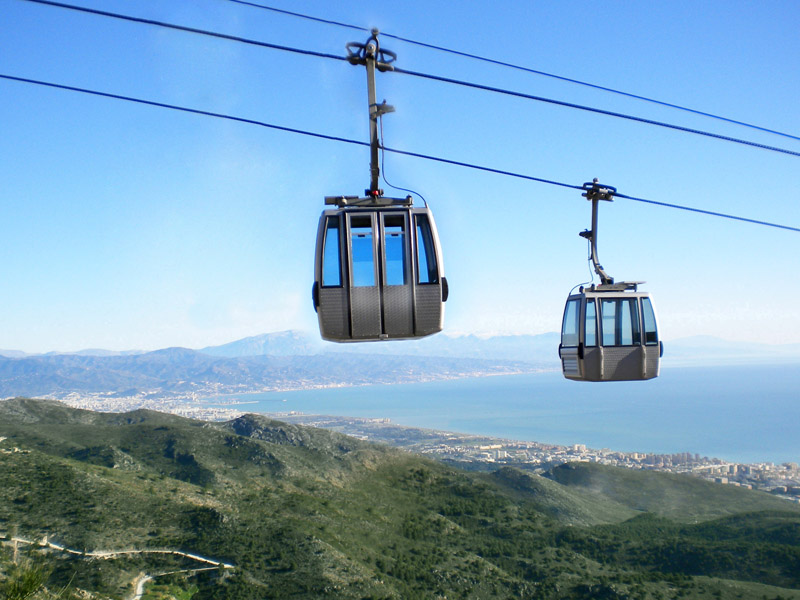
In Valle de Urracá, the challenge lies in the terrain. The station will be located at the corner of Juan Meloni and C-27, in a residential and commercial area characterized by a steep slope. Its construction will require building a retaining wall to separate the station from the nearby residences. The project will also change the layout of Juan Meloni Street to facilitate bus stops for buses heading towards Torrijos Carter, without affecting access to homes. There will also be space for taxis and pedestrian crossings.
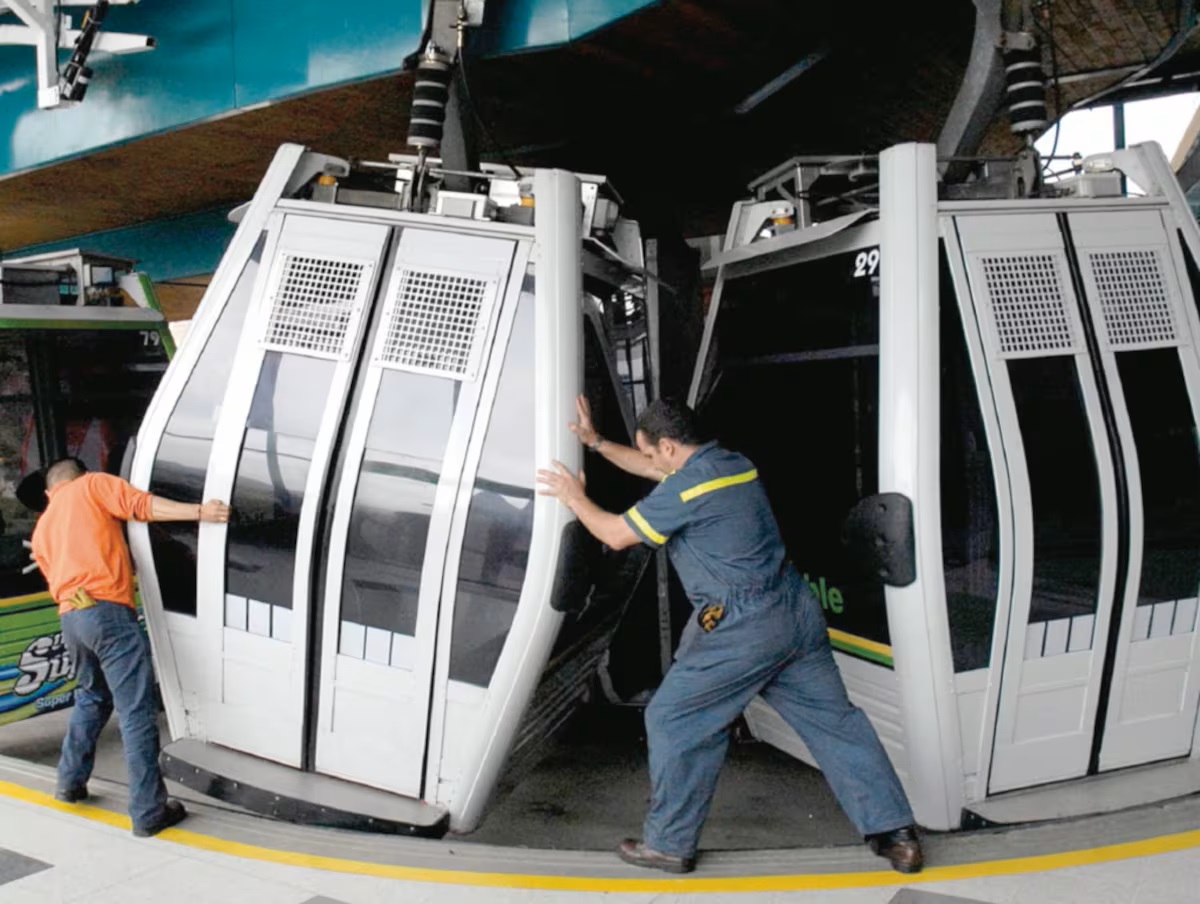
Torrijos Carter will be the northern terminal of the cable car and will be located within the Torrijos Carter Sports Complex, opposite the Police Substation. Unlike the other stations, it will operate on a single level, without a mezzanine, which will facilitate access from the street and maintenance work. The station will also connect with existing fare zones for buses. San Miguelito has approximately 280,777 inhabitants, according to the 2023 Population and Housing Census by the National Institute of Statistics and Census. Its area is 49.9 km², with a population density of 5,629.6 inhabitants per square kilometer.