Walking Phoenix: The Intersections and Street Conditions Pedestrians Should Watch
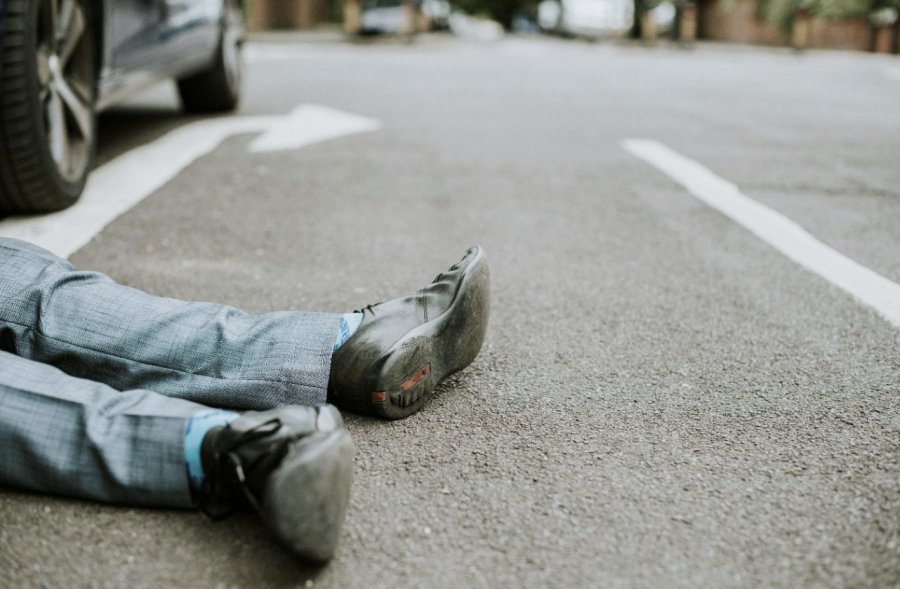
Phoenix is a city built around the car. Its arterial roads stretch wide and fast, its blocks run long, and its sidewalks often end without warning at the edge of a vacant lot. For anyone navigating the city on foot, that design creates real hazards, and the crash data reflects it.
Why Phoenix Is Especially Dangerous for Pedestrians
Most American cities have pedestrian safety problems. Phoenix has a structural one. Sun Belt cities built around sprawling, car-dependent development tend to dominate the worst safety rankings, with wide arterials, low-density land use, limited transit, and roads designed for throughput rather than safety. Phoenix fits that description precisely.
City data shows pedestrians account for 44% of deadly crashes in Phoenix, a proportion that would be alarming in any city, let alone one of the five largest in the country. Within designated High Injury Network intersections, numerous serious and deadly crashes occurred from 2019 to 2023, which pushed Phoenix to adopt the Vision Zero initiative in 2022, aiming for zero traffic fatalities.
Crosswalks, Turning Vehicles, and Busy Intersections
The most dangerous moments for a pedestrian in Phoenix are often not at the obvious spots. Midblock crossings on wide arterials carry serious risk, but so do fully signalized intersections, particularly when turning vehicles are involved.
The Turning Vehicle Problem
Drivers making right turns on red and left turns across oncoming traffic frequently fail to check for pedestrians in the crosswalk. A driver watching for a gap in traffic is not watching for someone stepping off the curb. This is especially common on high-volume roads like Indian School Road, Thomas Road, and Camelback Road, where traffic moves fast and turn volumes are high.
Long Block Lengths and Midblock Crossings
Phoenix’s block structure discourages pedestrians from walking to a marked crosswalk. When the nearest signal is a quarter mile away, people cross where it is convenient. Those midblock crossings, on roads with 45 mph speed limits and no dedicated crossing infrastructure, are where collisions happen most. Indian School Road is one of the main east-west arteries in the city, and 118 pedestrians were killed on that stretch between 2000 and 2024, more than any other stretch of roadway in the state.
Nighttime Conditions
Most Phoenix pedestrian deaths happen after dark. Most died without adequate lighting, and most of those were on roads that technically had streetlights on. Illumination alone does not make a crossing safe. Driver speed and the absence of marked crosswalks matter far more.
HAWK Signals and What They Actually Do
Phoenix uses High Intensity Activated Crosswalk (HAWK) beacon signals to make it safer for people to cross busy streets without backing up traffic. The system is activated by the pedestrian, not by a fixed signal cycle, which means drivers encounter the red sequence only when someone actually needs to cross.
Phoenix has been installing HAWK signals since 2009, after approval by the Federal Highway Administration, and currently has 118 of them located throughout the city. That network represents a significant investment in midblock and uncontrolled crossing safety, and the city keeps adding locations based on crash history and community requests.
HAWK signals operate in a yellow, red, and flashing red sequence to alert motorists that pedestrians need to cross. The flashing red phase is the one most drivers misread. It functions like a stop sign: drivers must stop, check, and then may proceed only if the pedestrian has cleared. Many treat it like a green, which creates exactly the kind of conflict the signal is built to prevent.
If you walk Phoenix regularly, knowing which intersections have HAWK signals matters. The city maintains an online map of all active locations. A Phoenix pedestrian accident lawyer at Elmm can speak to how failure to comply with a HAWK signal factors into fault determinations when a crash does occur.
Heat, Distance, and Limited Shade
Traffic is not the only hazard pedestrians face here. The physical environment adds a layer of risk that most cities do not have.
Summer Heat and Exposure
Phoenix’s dangerous heat season runs from late spring through early fall, sometimes stretching from April to September. During that window, walking long distances on exposed pavement carries genuine medical risk. Asphalt surface temperatures can run 40 to 60 degrees above air temperature, and many Phoenix sidewalks offer no shade at all for blocks at a stretch.
The Shade Gap
Transit riders and pedestrians who depend on bus stops frequently wait in direct sun. Key actions in Phoenix’s current Road Safety Action Plan include enhancing safety near schools and increasing shade at transit stops, an acknowledgment that the absence of shade is itself an infrastructure problem. When heat forces someone to seek shade mid-crossing or rush across a wide arterial to reach shelter, it produces unpredictable pedestrian behavior that drivers are not anticipating.
Fatigue and Judgment
Long block lengths mean longer walks between safe crossing points. In summer, that extra distance is not just inconvenient. Fatigue, dehydration, and heat affect reaction time and judgment for pedestrians and drivers alike. Someone who has been walking in 110-degree heat for twenty minutes is not making the same decisions they would on a mild December morning.
What to Do After Being Struck by a Vehicle
If a vehicle hits you as a pedestrian, the actions taken in the first minutes and hours shape everything that follows.
- Stay at the scene and call 911. A police report creates an official record of the crash, the location, and the conditions. Without it, the facts become contested.
- Accept medical attention. Adrenaline masks pain. Injuries that feel minor at the scene, including head trauma and internal injuries, often present symptoms hours or days later. Refusing treatment at the scene can complicate a later claim.
- Document the scene before you leave. Photograph the crosswalk markings, traffic signals, skid marks, the vehicle, and your injuries. Capture the lighting conditions and any obstructions to sightlines.
- Get witness information. Names and phone numbers from bystanders are far more valuable than a general description of who was nearby.
- Do not give a recorded statement to the at-fault driver’s insurer. Insurance adjusters are trained to find statements that reduce the company’s liability. Anything said in the immediate aftermath can be used to minimize a claim.
Understanding Fault and Documenting the Accident
Arizona follows a pure comparative fault system, meaning fault can be split between parties. A pedestrian who crossed outside a marked crosswalk can still recover damages if the driver was also at fault, though the recovery is reduced by the pedestrian’s percentage of responsibility.
Arizona recorded 2,079 pedestrian crashes in 2024, the highest number in the last five years. Each one involves a fact-specific analysis of where the pedestrian was, what the driver was doing, what signals were present, and what each party could reasonably have seen.
Key documentation that affects fault determinations includes the police report, surveillance footage from nearby businesses or traffic cameras, the status of any HAWK or traffic signals at the time of the crash, and evidence of driver speed. Phoenix’s High Injury Network data can also show that a particular corridor had a known crash history, which matters when a property owner or government entity may share responsibility for inadequate infrastructure.
The Takeaway
Phoenix streets are getting more attention from city planners and safety advocates than they have in years. The HAWK network, the High Injury Network mapping, and the Vision Zero framework are real steps forward. But the infrastructure changes are slow, and the roads pedestrians walk today were mostly built for cars. Knowing which intersections carry the most risk, how to read the signals correctly, and what to do when something goes wrong is not pessimism. It is how you walk Phoenix safely.