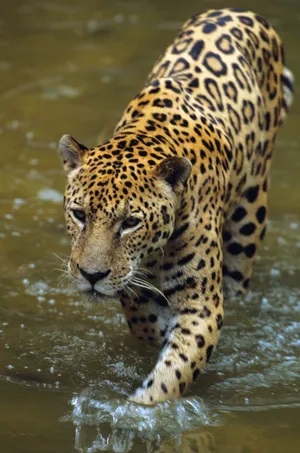
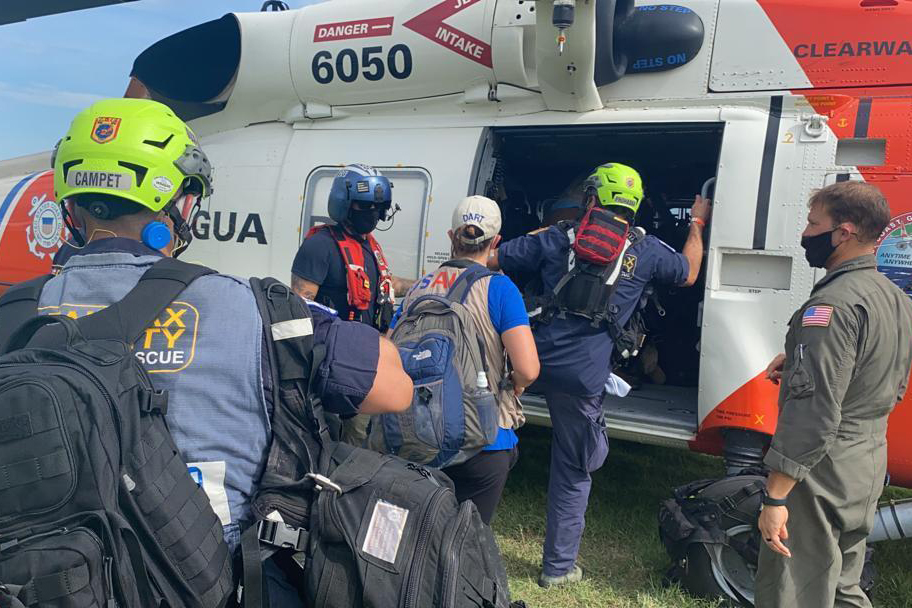
Chiriquí and Volcán Barú in 2027 will be Included in Panama’s Jaguar Census.
Changing perceptions about big cats, the use of camera traps, and increasing community involvement are strengthening conservation efforts.
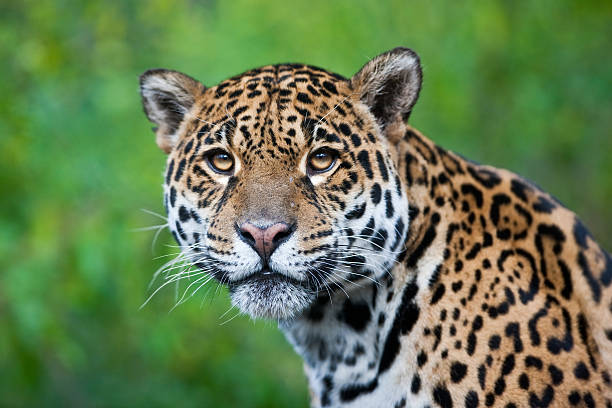
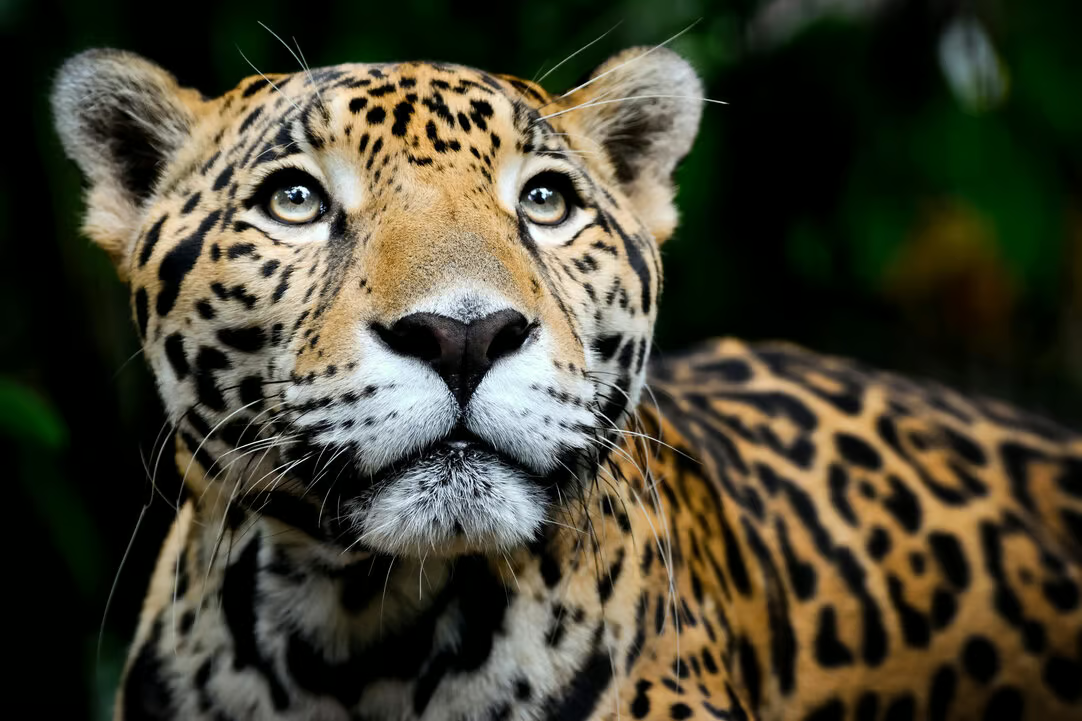
Jaguar - Panthera onca
Panama City: Panama will expand jaguar population monitoring to the west of the country in 2027, with studies that will include sectors of La Amistad International Park and Volcán Barú National Park, as part of the second phase of the National Census of Jaguars and Terrestrial Mammals. The objective will be to know more precisely the distribution of these felines, identify the biological corridors they use and determine the points where there is greater interaction between wildlife and human activities.
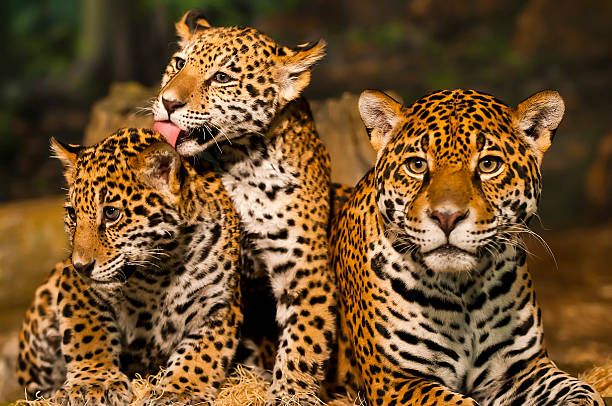
The information will help strengthen conservation strategies and contribute to reducing conflicts between big cats, producers, and communities that share territory with these species. The second phase of the census is being prepared by the GEF-7 Jaguars Panama project and is scheduled for 2027. According to Ricardo Moreno, president of the Yaguará Panamá Foundation, the monitoring will reach areas of Chiriquí that were not included in the first stage of the study.
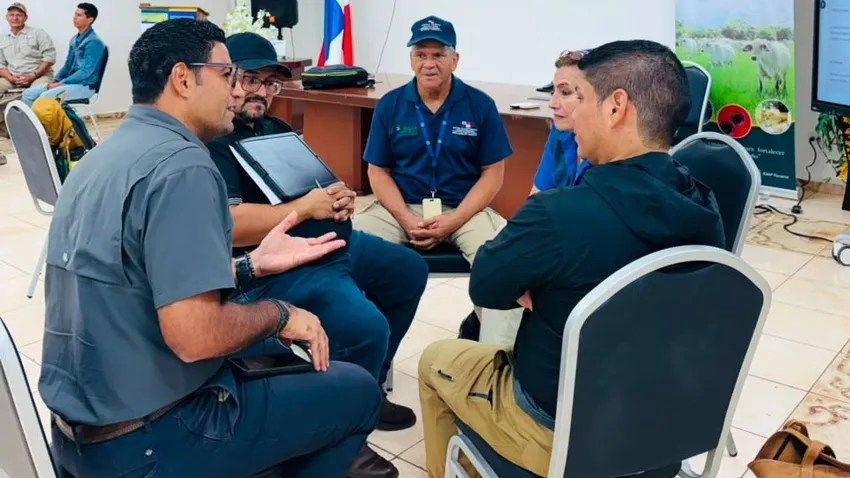
Meeting with communities in Chiriquí / Ministry of Environment.
An Initial Measurement Estimated Aabout 270 Jaguars.
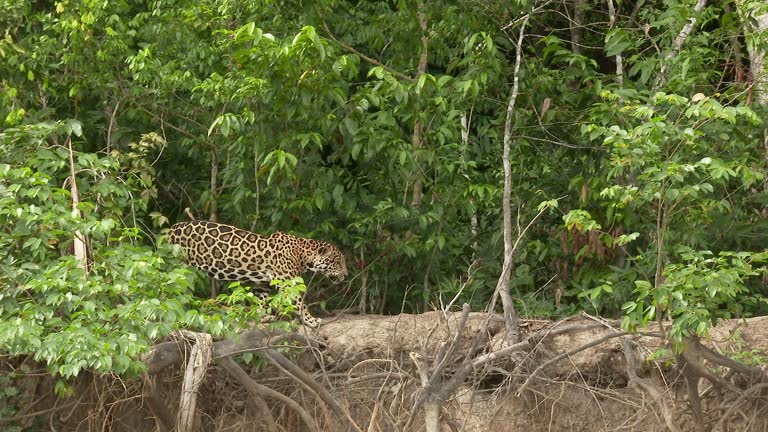
The first phase of the National Census of Jaguars and Terrestrial Mammals estimated the existence of around 270 jaguars in the 38% of the national territory that was evaluated. The study covered approximately 2.87 million hectares in eastern Panama and included more than 30 expeditions, 794 camera traps, and the analysis of 87,644 wildlife records. Now, the westward expansion will allow the incorporation of information from areas such as La Amistad International Park and Volcán Barú National Park, two areas of importance for monitoring the species. Camera traps are one of the main tools used to identify the presence of jaguars, pumas and other species, as well as providing information about their movements and the ecosystems they use.
Roads, One of the Identified Risks.
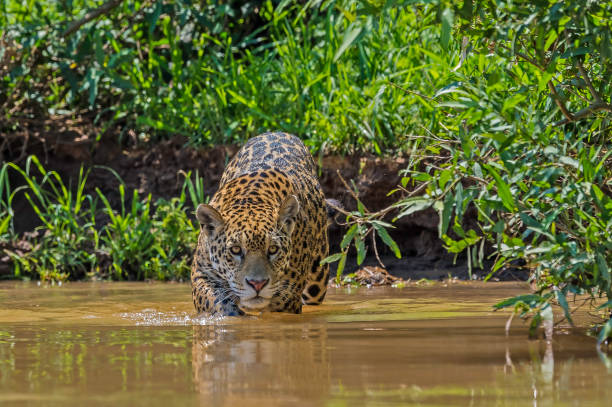
During a meeting to update the Jaguar Conservation Plan, promoted by the Ministry of Environment, producers, specialists and community representatives also identified habitat fragmentation as one of the main risks to wildlife. The areas mentioned include sectors of Fortuna, Gualaca and the road to Boquete, where cases of animals being run over have been reported. Information obtained through camera traps can help identify wildlife corridors and determine where measures such as road signs or wildlife crossings might be needed.
Producers and Communities Participate in Conservation.
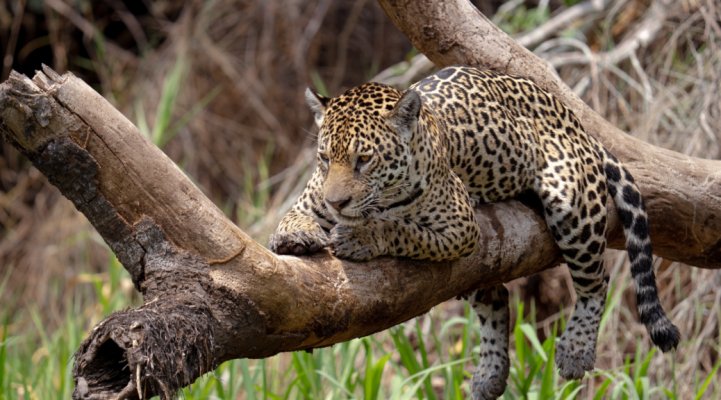
The monitoring also seeks to strengthen coexistence between big cats and the communities that carry out productive activities in their distribution areas. Producers from Chiriquí indicated during the meeting that they maintain wooded areas within their farms and that the perception towards species such as the jaguar has changed over the years. In the community of Fortuna, residents indicated that, although there have been sightings of jaguars and pumas, cases of livestock predation have been limited and occurred several years ago.
The availability of natural prey and the conservation of forested areas were identified as factors that can promote coexistence between wildlife and productive activities. In addition to its ecological importance, participants suggested that the presence of wildlife can open up opportunities for nature tourism, scientific research, and other conservation-related activities. With the second phase of the census planned for 2027, Panama seeks to expand knowledge about where jaguars are, how they move, and what are the main threats they face in the western part of the country.