Curtain Trends: Colours, Patterns and Styles Shaping Modern Homes
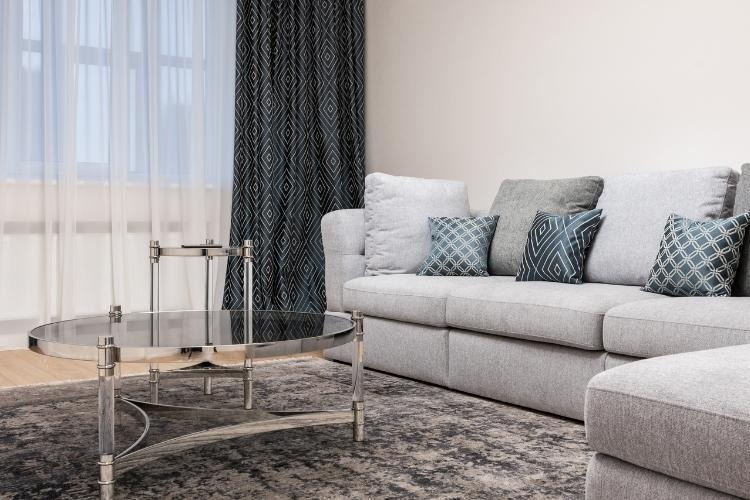
Curtains have moved well beyond their purely practical role. They frame a view, influence how light enters a room and can change the character of an interior without the disruption of a full renovation.
Today’s most adaptable curtain styles draw on earthy neutrals, deeper colours, nature-inspired prints and clean contemporary shapes. The key is choosing a look that works with the room rather than following a passing fashion for its own sake.
Natural Tones Bring Warmth Without Taking Over
Neutral curtains remain an easy choice, but the palette has shifted away from stark, cool shades towards warmer colours inspired by natural materials. Oatmeal, sand, stone, soft cream, mushroom and muted beige can make a room feel comfortable while leaving plenty of freedom to change furniture and accessories later.
These shades work particularly well in rooms with timber furniture, woven rugs, ceramics and other tactile materials. Instead of matching every neutral exactly, layer slightly different tones. A sandy curtain beside a warm white wall, for example, creates more depth than using the same colour throughout.
Texture matters here. A plain curtain doesn’t have to look flat. Visible weaves, slubs and subtle surface details can give a neutral fabric character without introducing a busy pattern. Terrys Fabrics is one place homeowners can look when comparing different curtain colours, patterns and heading options for a particular interior.
Richer Colours Can Give a Room More Definition
Neutral interiors are not the only route to a modern home. Deeper colours can make windows a stronger part of the decorating scheme, particularly in living rooms, dining spaces and bedrooms.
Forest and olive greens work naturally alongside wood and warm neutrals, while navy, teal, burgundy and earthy terracotta can add depth to otherwise restrained rooms. The trick is to think about the whole space before choosing the fabric. A dark curtain beside equally dark walls may create an intimate effect, while the same fabric against pale walls will produce much stronger contrast.
You do not need to repeat the curtain colour everywhere. A few smaller references, perhaps in a cushion, piece of artwork or rug, can connect the window treatment to the rest of the room without making everything feel overly coordinated.
Always look at fabric in the room where it will hang. Natural daylight, artificial lighting, and surrounding wall colours can all change how a shade appears throughout the day.
Botanical and Floral Patterns Bring Nature Indoors
Botanical designs suit the continuing preference for interiors that take cues from the natural world. Leaf motifs, trailing foliage and floral prints can introduce movement to a room that otherwise relies on plain surfaces.
Scale makes a noticeable difference. Large botanical motifs need enough uninterrupted fabric to show the design properly, making them well suited to larger windows and full-length curtains. Smaller prints tend to sit more quietly in compact rooms.
It also gives a patterned curtain some breathing space. If the window fabric features detailed leaves or flowers, plain walls and relatively simple upholstery will let the pattern do its job without competing for attention.
The heading also affects the final appearance. Eyelets form regular folds and suit interiors where clean lines matter. If you’re dealing with non-standard window dimensions, consider made to measure eyelet curtains by terry’s when you want the dimensions tailored to the window rather than relying on standard ready-made sizes.
Geometric Designs Add Structure
For people who prefer something less organic, geometric curtains provide a different type of visual interest. Stripes, repeating shapes, grids and abstract linear designs can bring order to a room and work particularly well with contemporary furniture.
Again, scale deserves attention. A bold geometric pattern across a wide window can become one of the room’s dominant features. A finer repeating design has a quieter effect and may be easier to live with when the room already contains colourful artwork or distinctive furniture.
Consider nearby patterns as well. Geometric curtains can sit comfortably beside plain sofas and simple rugs, but several strong patterns in one space can quickly compete with each other. If other furnishings already use checks, stripes or detailed motifs, pick one design to take the lead and keep the rest more restrained.
Simpler Headings Suit Contemporary Rooms
Curtain fabric receives much of the attention, but the heading can change the overall look just as much. Contemporary interiors often favour straightforward headings that produce tidy, predictable folds rather than highly decorative arrangements.
Eyelet curtains fit directly onto a curtain pole and create broad, even folds. That uncomplicated shape works particularly well with plain fabrics and modern prints. The visible pole also becomes part of the design, so its finish should match nearby door handles, lighting, or other metal details.
More traditional rooms may call for a different heading, particularly the you want a softer or more formal look. The best choice depends on the architecture, the fabric, and how you want the curtains to hang when open.
Practical details still matter. Before ordering any made-to-measure window treatment, confirm the position of the pole and take measurements carefully. A good-looking fabric cannot compensate for curtains that finish at an awkward height or fail to cover the window properly.
Choose Curtains for the Room, Not Just the Trend
Curtain trends can provide inspiration, but a successful choice should still make sense several years from now. Start with the room itself. Look at the wall colour, flooring, furniture, window size and amount of daylight before deciding what role the curtains should play.
If the space already contains plenty of detail, warm neutrals or lightly textured plains can calm things down. A restrained room may benefit from botanical prints, geometric designs or a richer block colour. For a contemporary finish, pair the chosen fabric with a simple heading and carefully considered proportions.
The strongest interiors rarely depend on one fashionable colour or pattern. They work because each element relates to its surroundings. Treat curtains as part of the architecture as well as the decoration, and they can bring colour, texture and balance to a room without making the space feel tied to a short-lived trend.