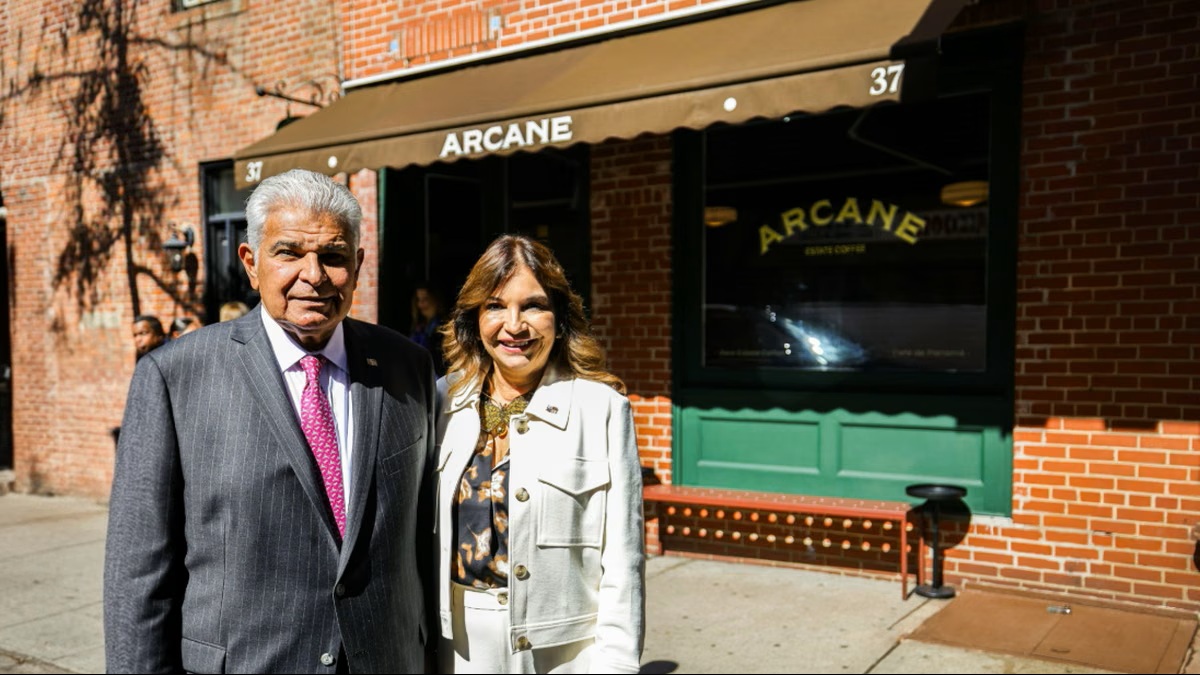
Panama President Mulino did not Endorse the Reforms to the Assembly’s Internal Regulations for These Reasons.
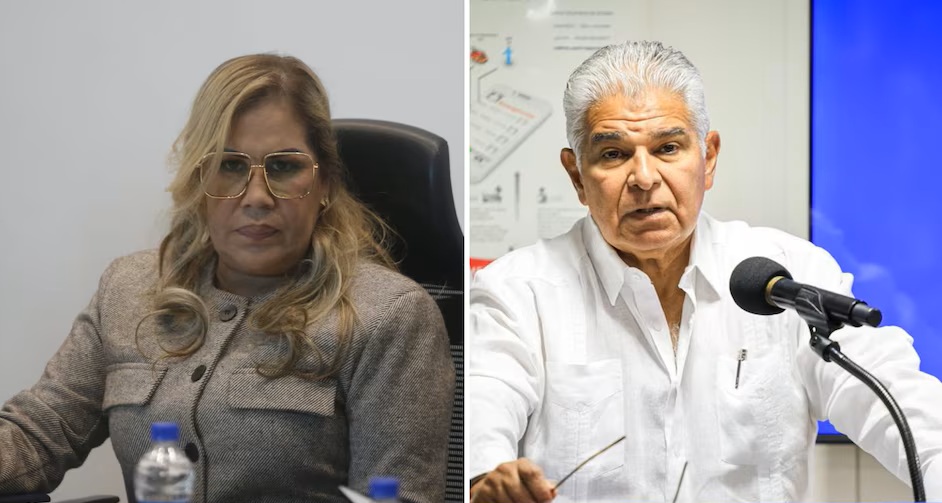
Assembly Speaker Shirley Castanedas pictured below on the left and President-Jose Raul Mulino on the right. President José Raúl Mulino objected to nine articles of the draft law reforming the Internal Regulations of the National Assembly, deeming them unconstitutional, meaning they would violate the Constitution, and inconvenient.
There are nine articles in bill 594, reforms to the Internal Regulations of the National Assembly, that President José Raúl Mulino objected to because they were unconstitutional – that is, because they would go against the Constitution – and because they were inconvenient. Mulino, in a letter sent to the president of the Legislature, Shirley Castañedas, explained that five ministries, the Comptroller General, the Attorney General’s Office, the Electoral Tribunal and six additional entities expressed their rejection of the 28-article proposal, approved in the third debate on August 11.
Because They Are Unconstitutional.
1
Article 3: Establishes that the tours of the deputies in their circuits will be taken as attendance in the plenary.
2
Article 4: This refers to the proposal for deputies to manage works in their circuits, guaranteeing a “minimum investment” in the State budget.
3
Article 5: It prevents the possibility of staff assigned to the offices of the deputies entering the Legislative Career.
4
Article 21: It states that alternate deputies who are public servants may not be dismissed during the period for which they were elected.
Due to Inconveniences.
1
Article 9: Establishes that, if a deputy could not be sworn in beforehand to participate in a permanent commission, the president of said body may swear him in.
2
Article 11: It assigns additional functions to the Trade Commission, such as the regulation of entities responsible for hydrocarbon and energy matters. Furthermore, it grants more functions to the Population and Environment Commission, such as the regulation of the use of renewable and non-renewable natural resources, water and soil, and the promotion of clean energy.
3
Article 12: Includes powers to the Education Commission to also propose laws and issue opinions on school supplies, textbooks, premises and furniture in schools.
4
Article 27: Establishes that the Assembly will prepare the single text of the law reforming the Regulations, as well as any modification prior to its publication.
5
Article 29: Establishes that the law will come into force on January 2, 2027.
The Support.
The bill stipulated that a representative was considered present in their seat when participating in “official” activities within their electoral district. The president warned that this effectively justified absence from plenary sessions, given the lack of a genuine mechanism to verify that the representative was indeed campaigning within their district.