Because of Taiwan, a New Diplomatic Clash Erupts Between the United States and China.
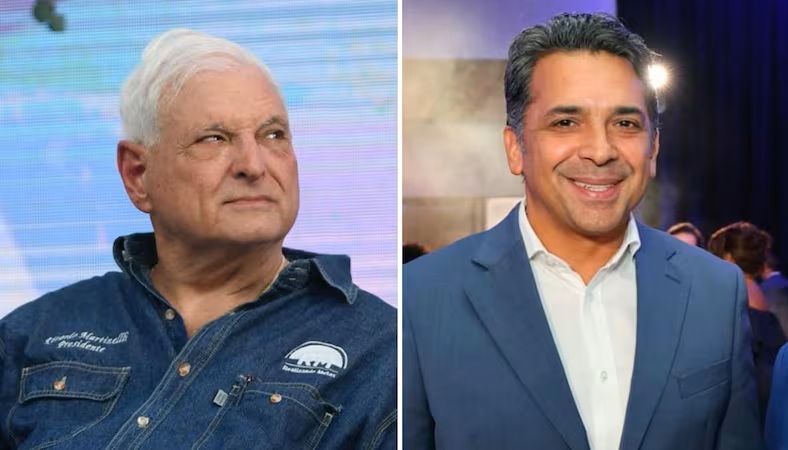
The Chinese Embassy in Beijing reacted to comments made by Kevin Marino Cabrera following the creation of a Panamanian inter-parliamentary group that maintains ties with Taiwan. Cabrera retorted, telling his Chinese counterpart “to educate himself so he’s not so ignorant.”
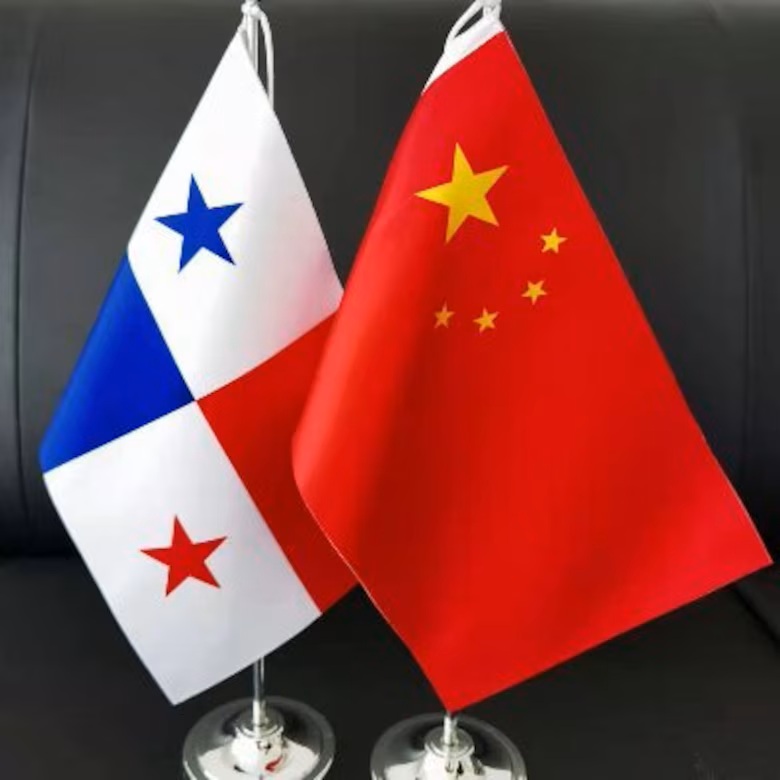
A new exchange of words went on between the US and Chinese embassies in Panama. Taiwan is at the center of the dispute. As is well known, Panama resumed diplomatic relations with the People’s Republic of China in 2017. Until then, Panama had recognized Taiwan, an autonomous island claimed by China and whose main ally is the United States. The latest exchange of recriminations arose after, in a public event in which four drones were donated to the National Aeronaval Service (Senan), the United States ambassador, Kevin Marino Cabrera pictured below, defended the recent trips of Panamanian deputies to Taipei and the subsequent formation of the Panama-Taiwan Multiparty Parliamentary Exchange Group in the National Assembly, finalized on September 8.
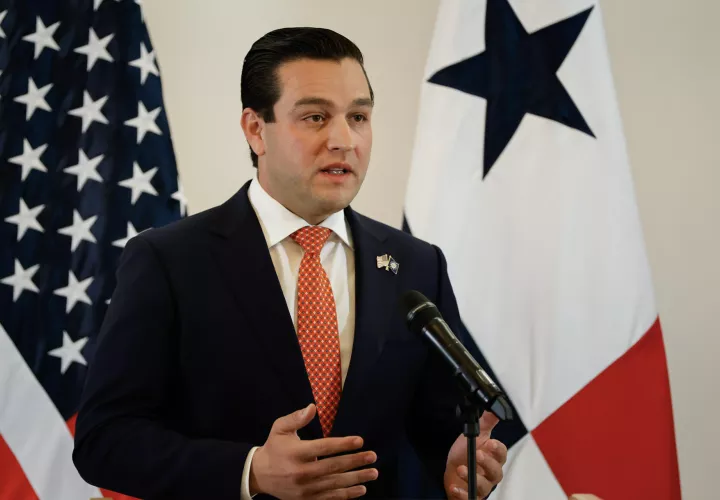
In an ironic tone, Cabrera questioned the restrictions imposed by Beijing, which has protested Taiwan’s interactions with Panamanian lawmakers. “It’s an obsession they have that isn’t very healthy, but I don’t know, they say that with a bad tongue, if you say the word Taiwan three times, the Chinese ambassador appears, so I don’t know, their obsession is something very strange,” the American diplomat stated. The Chinese mission then responded on social media, and although it did not mention Cabrera’s name, it accompanied its message with a photograph of the American ambassador.
‘Youth is No Excuse for Ignorance’.
The Chinese diplomatic mission stated that “youth is no excuse for ignorance. Prejudice is the most dangerous poison.” In its message, China highlights a lack of respect for international principles of sovereignty, comparing the stance of certain actors to an arbitrary attitude. “In the eyes of bandits, might makes right, everyone is unprotected and they can take whatever they want: what’s mine is mine, what’s yours is mine too, and the whole planet belongs to me. I am the king of the world,” the post added.
Cabrera Responds: ‘In China they are not used to Democracy’.
Far from calming tempers, Cabrera again harshly questioned the criticisms of the Chinese government, defending the sovereignty of the isthmus and raising the tone of the dispute towards the realm of personal allusions against the head of the Beijing mission. “Panama is a sovereign, democratic country, and people here can make their own decisions. In China, they are not used to that. They don’t allow people in their own country to travel,” the US ambassador stated.
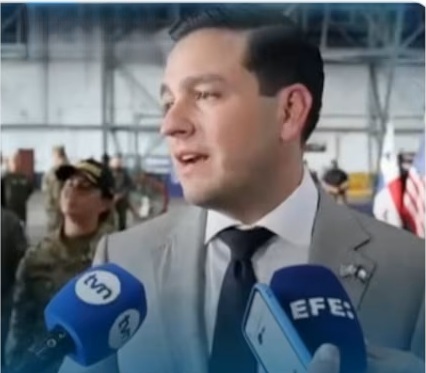
He also made light of his Chinese counterpart’s abilities and attire: “I know the new ambassador will be learning. One of the things I would like to teach him is that he only buttons one button (on his jacket), not two. I know that in his photo he hasn’t learned how to put on a suit; perhaps he’ll learn soon.” Cabrera also questioned the embassy’s use of language on digital platforms. “I was very excited to see that he’s posting in Spanish, since he’s said he doesn’t speak Spanish, but he does speak Portuguese. Perhaps he could educate himself a little and not be so culturally ignorant,” he pointed out sharply.
Alert Regarding the Bilateral Relationship.
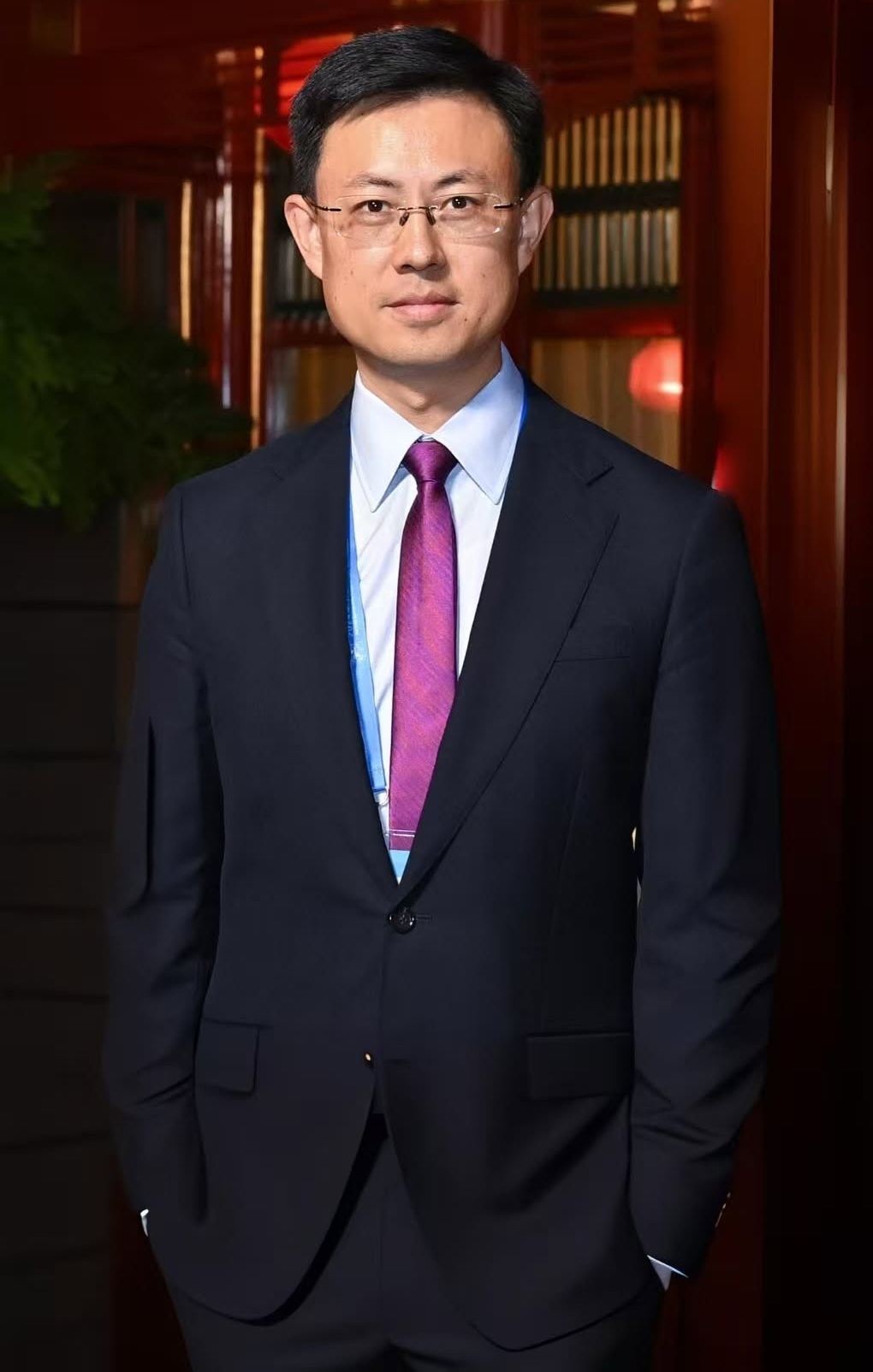
Beyond the response to the Washington envoy, China’s diplomatic representation has been emphatic that any institutional action that violates the ‘One China’ principle directly affects the bilateral relationship between Beijing and the Republic of Panama. Chinese spokesman Guo Jiakun pictured below, called on Washington on September 14 to stop sending “erroneous signals” about Taiwan and to stop “disrupting and undermining” China-Panama relations. The new diplomatic dispute also comes at a time when Panama has become a strategic point of contention between Washington and Beijing.
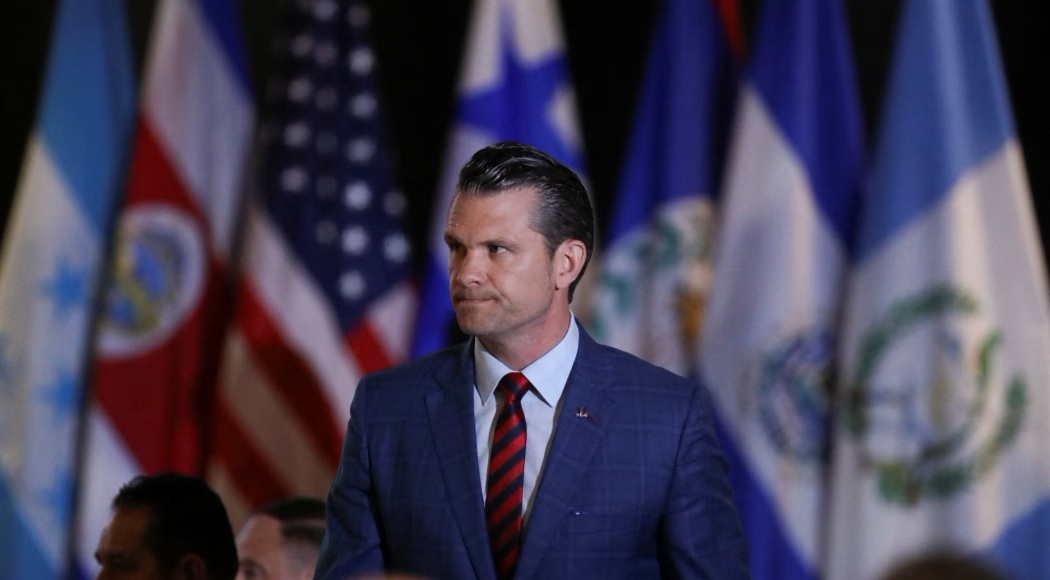
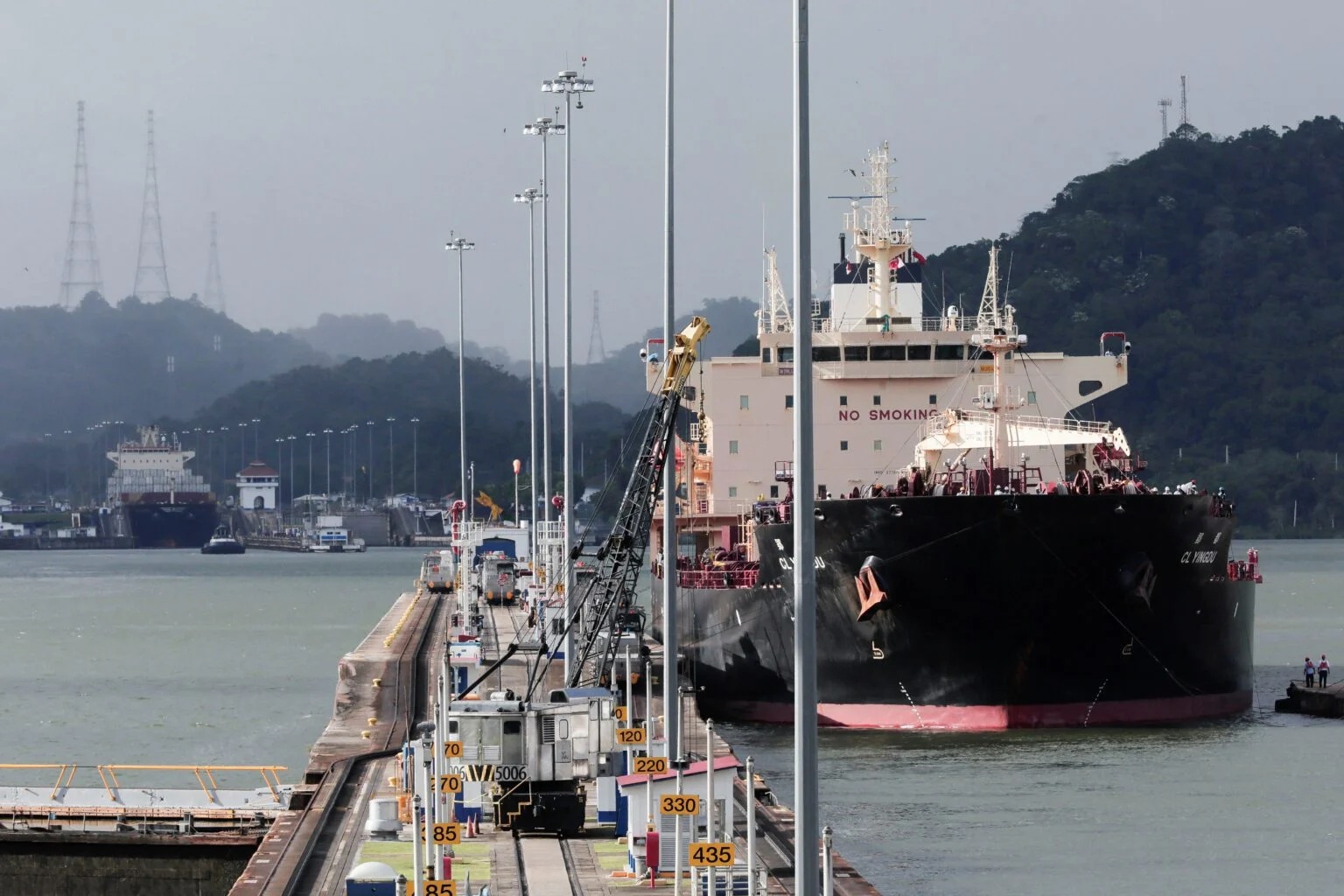
In April 2025, during his visit to Panama, then- US Secretary of Defense Pete Hegseth pictured below, warned that the United States would not allow “China to jeopardize the operation or integrity of the Canal” and advocated for a greater role for Washington in the waterway’s security. Now, a year later, the controversy over the approaches of Panamanian deputies to Taiwan has once again placed China and the United States in opposing positions in Panamanian territory. Given this situation, President José Raúl Mulino has reiterated that the approaches, trips and exchanges of the members of the National Assembly with Taiwan do not have the endorsement or support of the Executive Branch.