Daily Habits That Protect Your Oral Health
Most dental problems build slowly. They start with a habit that seems harmless, repeat over months and years, and only announce themselves once the damage is done and the fix is expensive. Across LA, the encouraging part is that the reverse works the same way. Small, consistent daily habits compound into decades of healthy teeth, and none of them require much time or money. What they require is consistency.
Do Not Wait Until Something Bothers You
Chips, staining, and old work that has started to yellow tend to sit in the background for years. People notice them in photographs, adjust how they smile, and put off doing anything because the issue is not painful. None of it improves on its own, and the longer it sits, the more involved the correction usually becomes.
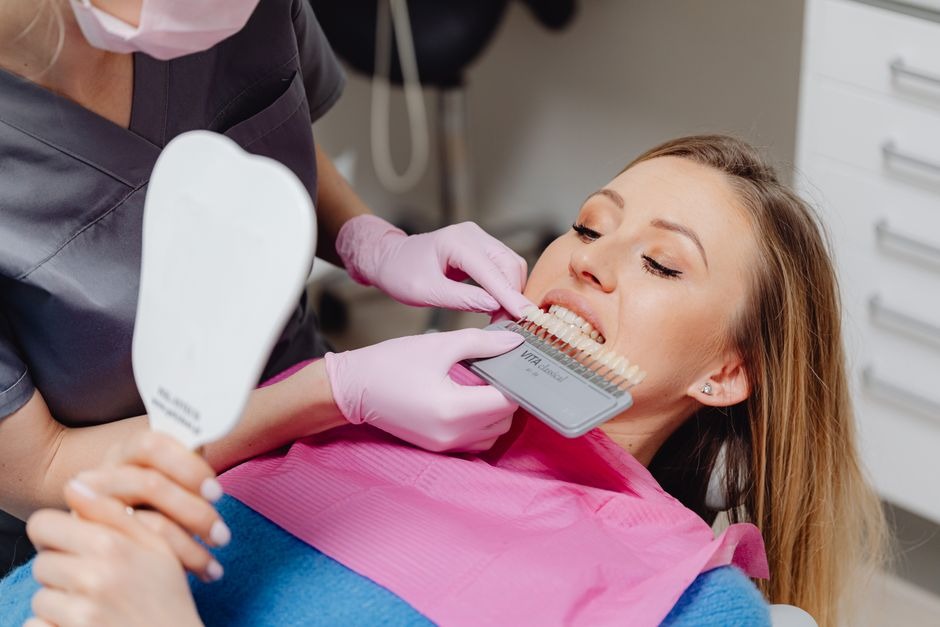
For anyone ready to address it properly, Dr. Jon Marashi offers cosmetic dentistry in LA with a focus on porcelain veneers and smile design built around your own features rather than a generic look. Every case starts with an in-person consultation where the specific situation is diagnosed and a written plan is presented.
Brush Longer Than You Think You Are
Almost everyone brushes. Almost nobody brushes for two full minutes. Most people stop somewhere around forty-five seconds, which leaves entire sections of the mouth barely touched. Timing yourself once is genuinely eye-opening, and an electric brush with a built-in timer removes the guesswork permanently.
Technique matters as much as duration. Hard scrubbing does not clean better and slowly wears down enamel and irritates the gum line. A soft-bristled brush held at an angle to the gums, moved in small circles, does more good with less force. Replace the brush or head every three months, or sooner once the bristles start to splay.
Clean Between Your Teeth Every Day
Brushing reaches roughly three-fifths of each tooth surface. The rest sits between teeth, which is exactly where decay and gum problems tend to begin. Skipping this step is the single most common gap in an otherwise decent routine, and it is the one that quietly costs people the most over time.
The method matters less than the consistency. Traditional floss, picks, or a water flosser all work if used properly and used daily. Pick whichever one you will actually reach for at night rather than the one you think you should be using. A tool that gets used every day beats a better tool that sits in the drawer.
Watch What Sits on Your Teeth and for How Long
Sugar gets most of the blame, but frequency and duration cause more trouble than quantity. A dessert eaten in ten minutes does less damage than a sweetened drink sipped slowly over two hours, because the second keeps the mouth in an acidic state far longer. The same applies to hard candy and anything that lingers.
Acidic drinks deserve particular attention. Citrus juices, sodas, sparkling water, and wine all soften enamel temporarily, and brushing immediately afterward can scrub away that softened surface. Rinse with plain water instead and wait about half an hour before brushing. Drinking through a straw reduces contact with the front teeth.
Take Grinding Seriously
Many people clench or grind in their sleep without any idea they are doing it. The signs show up elsewhere. Morning jaw soreness, headaches that start at the temples, teeth that look shorter or flatter than they used to, and hairline cracks in the enamel. Left alone, grinding wears down structure that does not grow back.
A properly fitted nightguard solves most of this and is far cheaper than repairing the damage later. Store-bought versions rarely fit well enough to help and can shift the bite in unhelpful ways. If any of the warning signs sound familiar, raise it at your next visit rather than assuming it will pass.
Stay Hydrated
Saliva does more protective work than most people realize. It neutralizes acid, washes away food particles, and carries the minerals that repair enamel throughout the day. When the mouth runs dry, all of that protection weakens, and decay accelerates noticeably.
Certain medications cause dryness as a side effect, as do mouth breathing, alcohol, and simply not drinking enough water. If your mouth is regularly dry, mention it to your dentist. It is a genuine risk factor, not a minor inconvenience, and there are straightforward ways to manage it once identified.
Keep Twice Yearly Visits on the Calendar
Professional cleanings remove hardened deposits that no home routine can touch, and regular exams catch problems while they are still small and inexpensive to fix. A cavity found early is a filling. The same cavity found two years later can mean a crown or worse.
Consistency here is worth more than perfection anywhere else. People who never miss a six-month appointment tend to keep their natural teeth far longer than people with excellent home routines who only go when something hurts. Book the next visit before you leave the office so it never falls off the list.
Stop Using Your Teeth as Tools
Opening packaging, tearing tape, holding items while your hands are full, cracking ice. Every one of these puts sudden force on teeth in directions they were never built to handle. Most chips and fractures dentists see come from exactly this kind of moment, and it usually happens without warning.
The habit is easy to break once you notice it. Keep scissors in reachable places, and give it a second thought before biting down on anything that is not food. It is a small adjustment that prevents an expensive afternoon.
Good oral health is not built through occasional effort. It comes from a handful of ordinary habits repeated every day, plus regular professional attention to catch what daily care cannot. Start with whichever of these you are currently skipping and let the rest follow.