‘Today’s Panama is Thanks to the Torrijos-Carter Treaties’ says Martín Torrijos.
Forty-nine years after the signing of the treaties, the former president highlighted the recovery of sovereignty and raised the need to bring the Canal closer to the population.
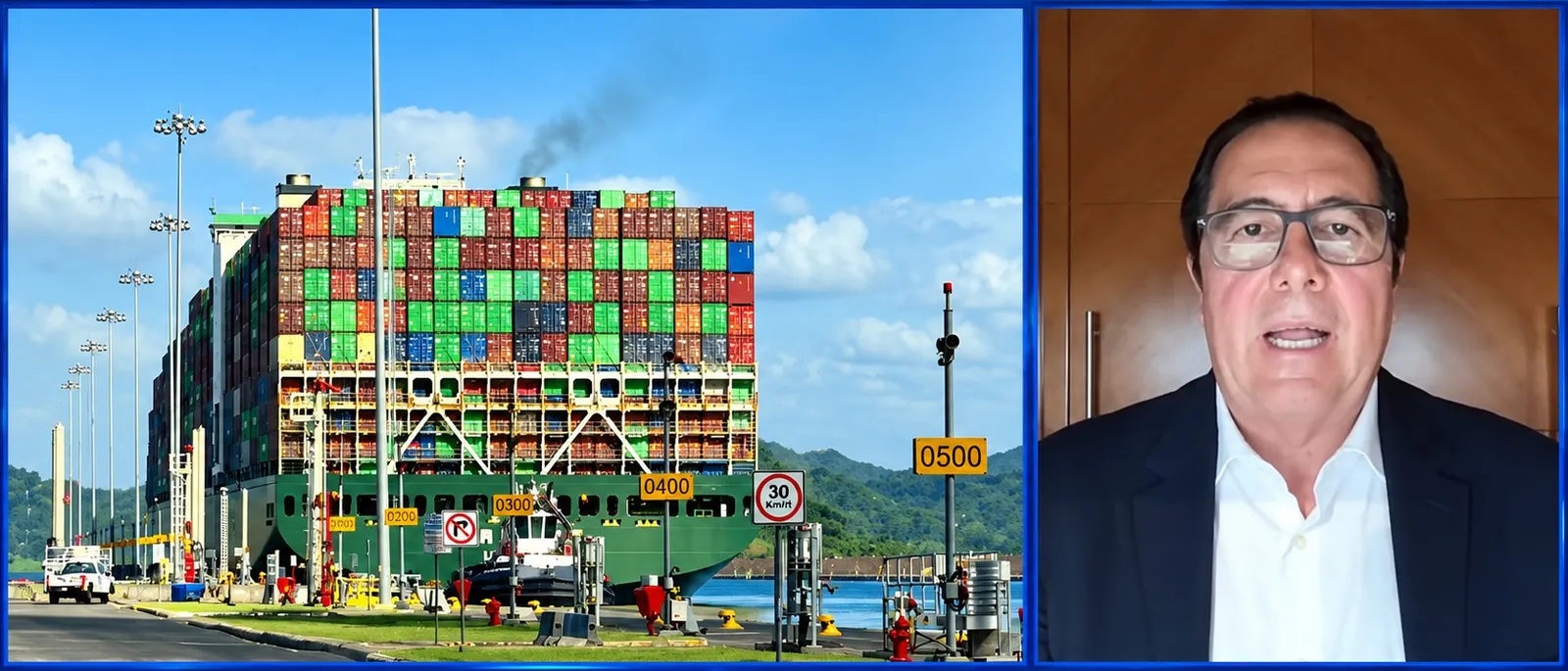
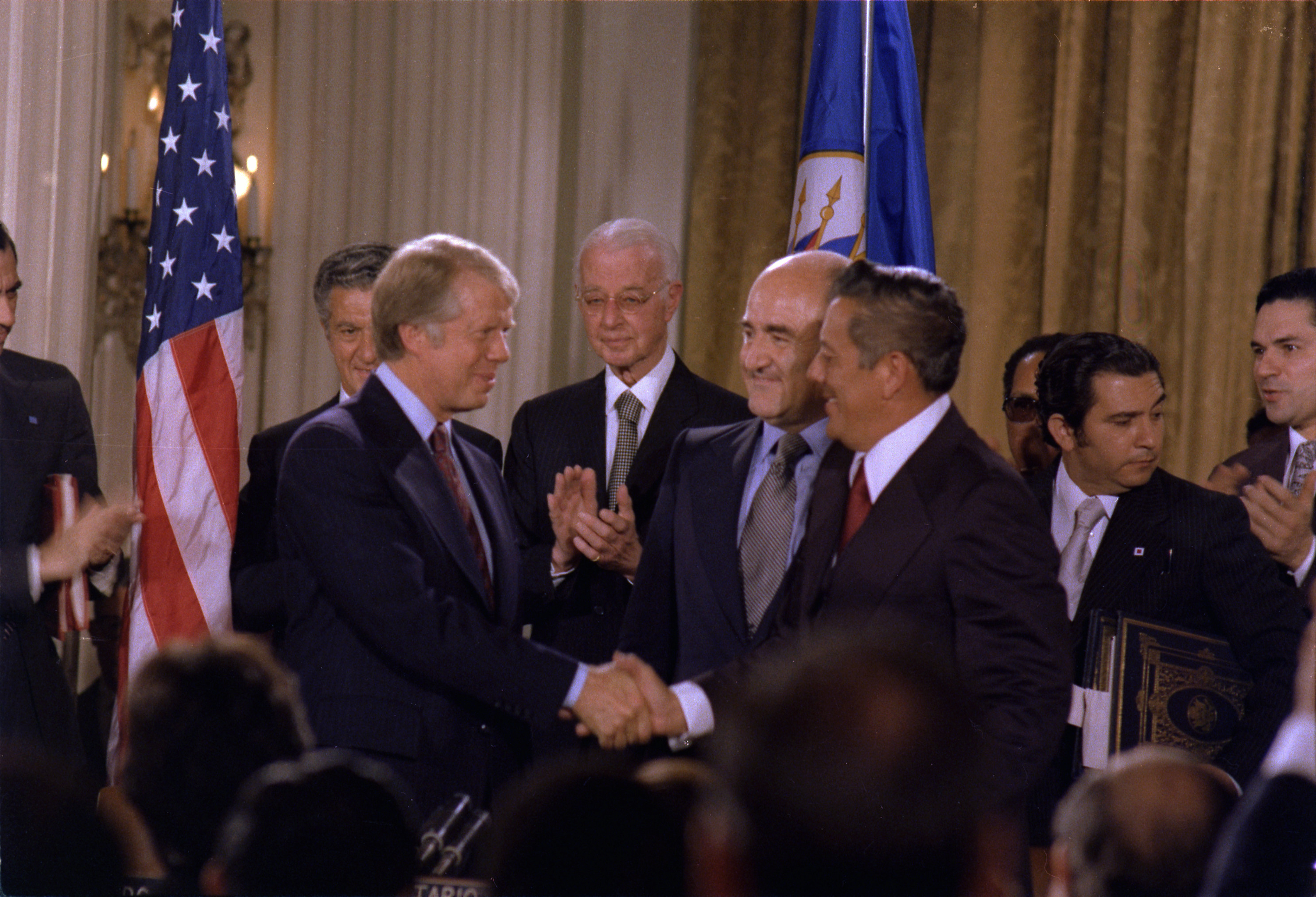
Panama City: 49 years after the signing of the Torrijos-Carter Treaties, former President Martín Torrijos highlighted the recovery of Panamanian sovereignty and administration of the Canal as the result of a generational struggle. “The Panama of today is thanks to the Torrijos-Carter Treaties as pictured below with his father and Jimmy Carter, and the Panama we continue to build tomorrow also has to do with the opportunity we had after a generational struggle to recover sovereignty and administration of the Canal,” he said.
During an interview on the program Mesa de Periodistas, Torrijos was also asked about how to make Panamanians feel that the wealth and development generated by the Canal also directly reaches the population. He recalled that during his administration a program was implemented to allocate Canal resources to local investments, which, he explained, was the beginning of decentralization in the country. “There must be a mix of the capacity that governments have, in coordination, to see how we can ensure that Panamanians feel the specific benefits of the Canal’s presence, and also an opening of the Canal towards society,” he said.
He also emphasized that the Canal’s experience in water management can contribute at the national level and not be limited solely to the canal watershed.”That experience of the Canal, in water management, can be something that contributes to us at the national level, not just thinking about the watershed. The Canal could help share it,” he stated. Regarding the expanded Canal, he stated that Panamanians understand the capabilities of the new infrastructure. “Panamanians aren’t fools; they know what this expanded canal means. It’s a new Canal, not the one we inherited in 1999; it has greater capacity and possibilities,” he said.
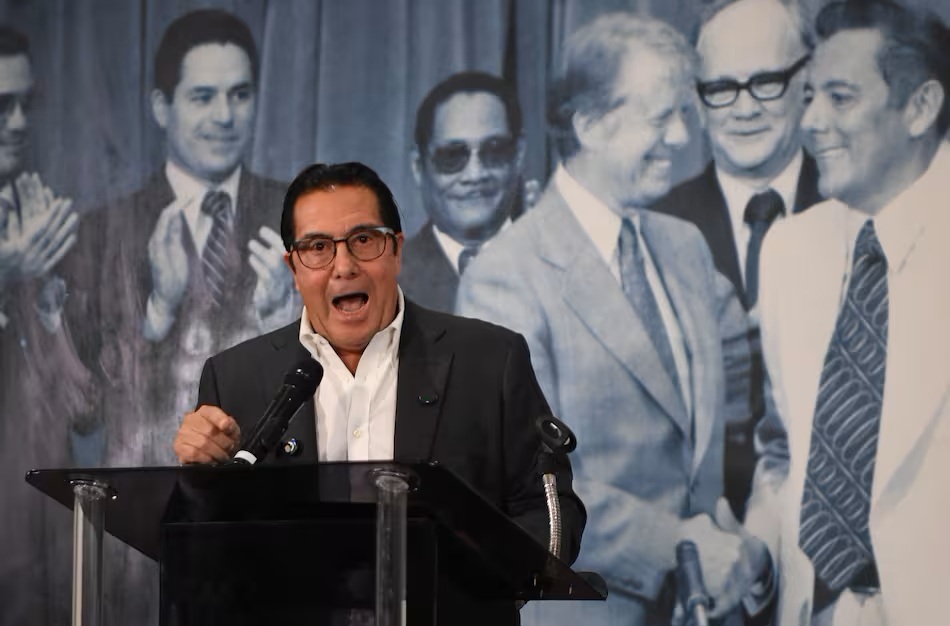
Torrijos also noted that discussions are still pending regarding the role the Canal should play in relation to the ports and reiterated his position that the interoceanic waterway could own these facilities. “I have proposed, and I maintain, that the Canal can own the ports. This could have resolved the Hutchison issue and its unconstitutionality,” he stated. Torrijos also acknowledged that allegations of corruption and questions about the handling of resources could affect the perception of Panamanians. “The mismanagement and corruption allegations somehow cloud and tarnish the Panamanian’s view of the Canal,” he stated, clarifying that the questions relate to the administration of the funds the Canal contributes to the country and not to the operation of the waterway.