Lip Sync AI Must Isolate The Mic Hand
English packages crack when a second official at the presser starts mouthing the track. The desk already has the Spanish standup. The wire already has the new English line. Before anyone books another hit, Lip sync ai has a newsroom job: keep the reporter who already held the mic, and stop the person beside them from joining the package.
The field load is three windows at once. The archive has yesterday’s standup. The wire has a new sentence. The producer is cutting for a same-day window. Taste is not the scarce thing. Isolation is. If the cut lets a minister’s mouth ride the English track, the package invents a quote the desk cannot defend. Viewers in Panama who watched the presser will catch that extra mouth faster than a distant editor will.
Extra Mouths Break A Bilingual Standup Package
A filed standup is already a closed object. The location, the handheld mic, and the reporter’s face are the byline. When the English line changes, the script can update in minutes. The mouths in the two-shot cannot. Viewers who know that corner treat the speaker as the person who stands behind the claim. A mute still plus a caption card protects the reporter and kills the reason people keep the package.
The job is not a new live hit. The job is one honest sentence on the face the desk already aired. If the person on the mic is the correspondent whose name sits on the rundown, the voice has to stay that person. Mixing a listed reporter with an unlisted official is how a tidy language update becomes a correction.
How Whole Frame Tools Keep The Mic Hand Honest
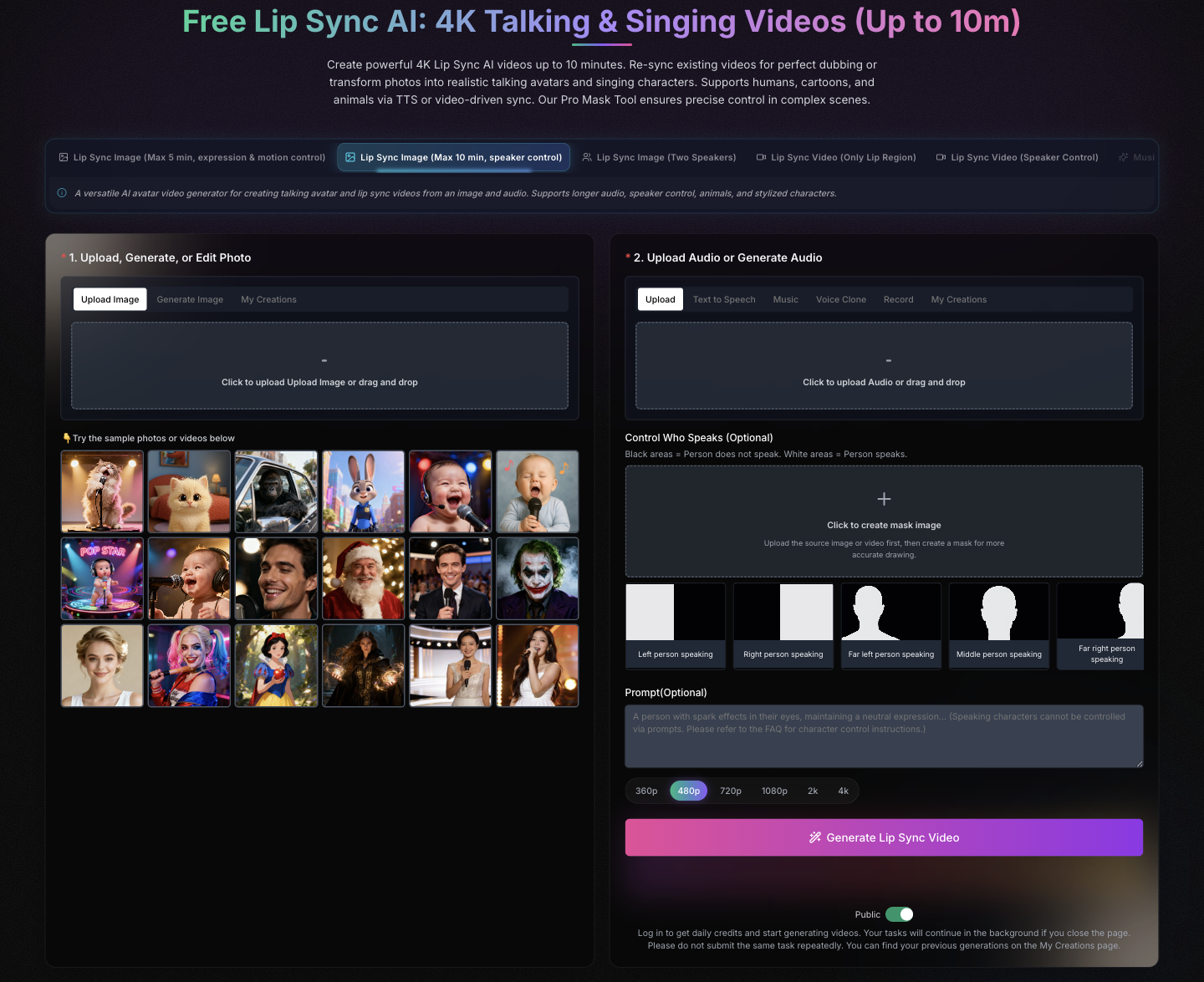
Lipsync Studio’s video path reads more than a mouth crop. The speaker-control model uses the overall frame so expression and the rest of the face stay in the same sitting. The page also claims that path can handle beards and microphones. That claim is useful on a presser two-shot, where the reporter’s hand, the foam, and a second chin sit in the same rectangle.
Upload the source video first. Add the English line second. Draw a Control Who Speaks mask only after the file is up. Black means that person does not speak. White means that person does. Paint the official black before anyone generates. Tasks keep running if you close the tab. Do not submit the same job twice because the preview is slow. Finished files land in My Creations.
Beards And Microphones Still Need A Visible Speaker
A beard and a mic do not excuse a hidden mouth. If the correspondent turns to a graphic or covers the lips with the foam, the model has less face to follow. On the newsroom desk that is a reject, not a style note. Find a facing sentence from the same hit, or keep the original mouth and read the new line as a track under pictures. Do not force a generate on a chin and a logo.
Draw The Mask After The Source Video Is Up
The mask tool is more accurate after the source is loaded. Drawing on an empty panel, then dropping the two-shot in later, is how the white blob lands on the wrong shoulder. Paint only the reporter the rundown can name. A mask that paints the whole dais white will invent a joint statement the English track never carried.
Dirty Desk Checks Before Anyone Files The Cut
Do not file from a clean hero frame. Pressers are dirty. A second official leans in. A lower third is already burned. The handheld mic crosses the mouth. Those three objects are the test, not a later color grade. If the first preview looked fine until you paused on the minister, the file is discarded. A same-day window does not make that mouth honest.
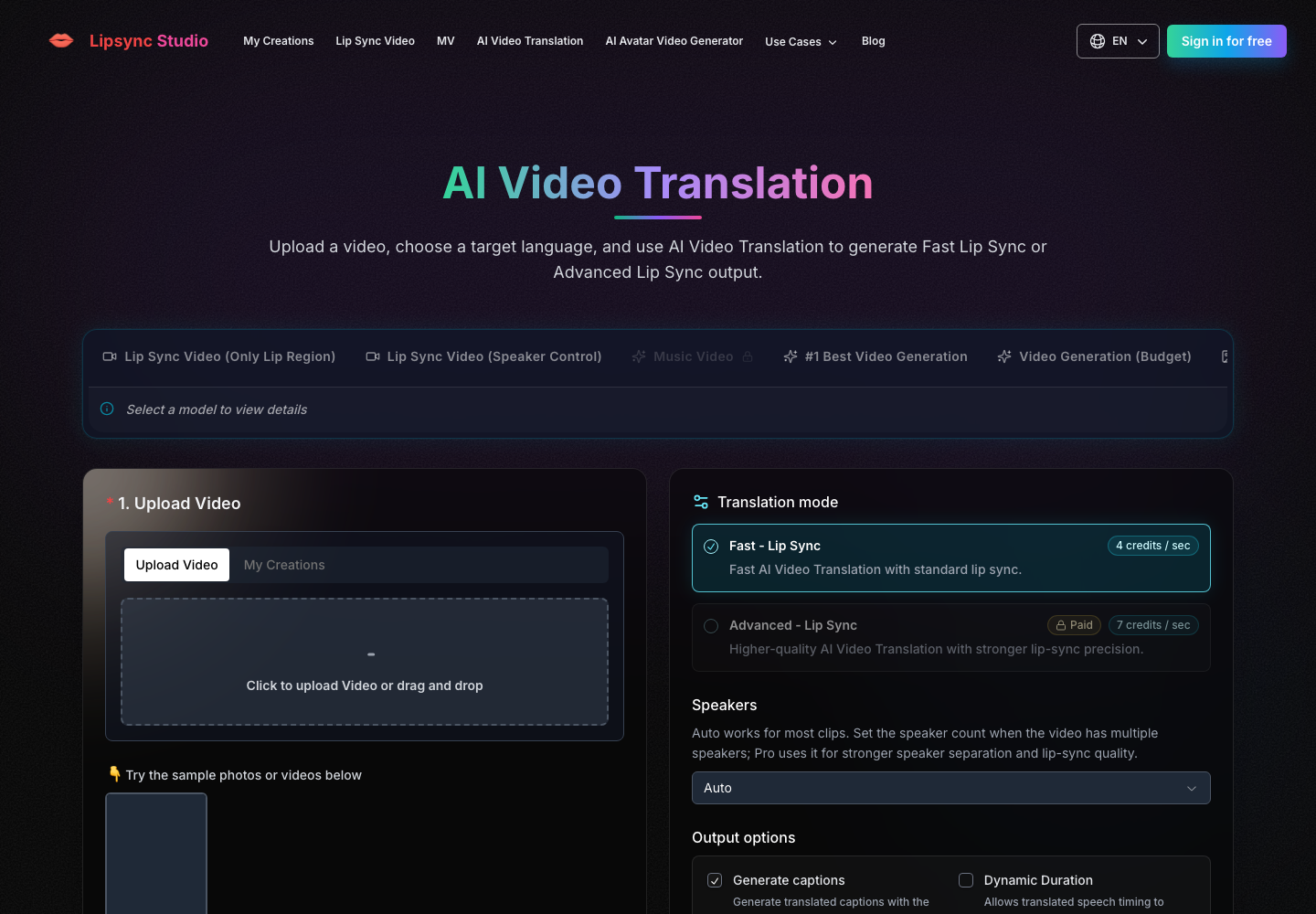
This is also the right place to kill an AI music video generator impulse. A multi-shot song treatment with new plazas belongs to a tourism piece, not to a correction on a presser the desk already aired. Using that path here usually adds buildings the correspondent never stood in and then asks the producer to defend them.
Second Officials Fail When They Start The English Track
The two-shot is the usual Panama file. The reporter holds the mic. A minister or a union lead stands in frame. If that take becomes the source without a mask, both mouths are available. The English package then invents a second speaker. Viewers who know the official will hear a sentence that person never said in that language. Unreadable intent is enough to hold the cut.
Burned Lower Thirds Smear While The Mouth Works
Many filed hits already carry a name plate. Those letters sit on a jacket. The first preview can look fine until you pause on the overlay and cannot read the correspondent. Warped type next to a moving mouth is discarded. Remove the overlay, run the mouth pass, then set the caption again. Do not burn a new English lower third into the source before you generate.
Scene Identification Separates The Second Official
Lip Sync Video with Scene and Speaker Identification sits on the same video desk as the speaker-control and lip-region models. Use it when the cut has more than one person and the rundown still names only one speaker. It is a separation tool, not a license to write new quotes for everyone in the shot.
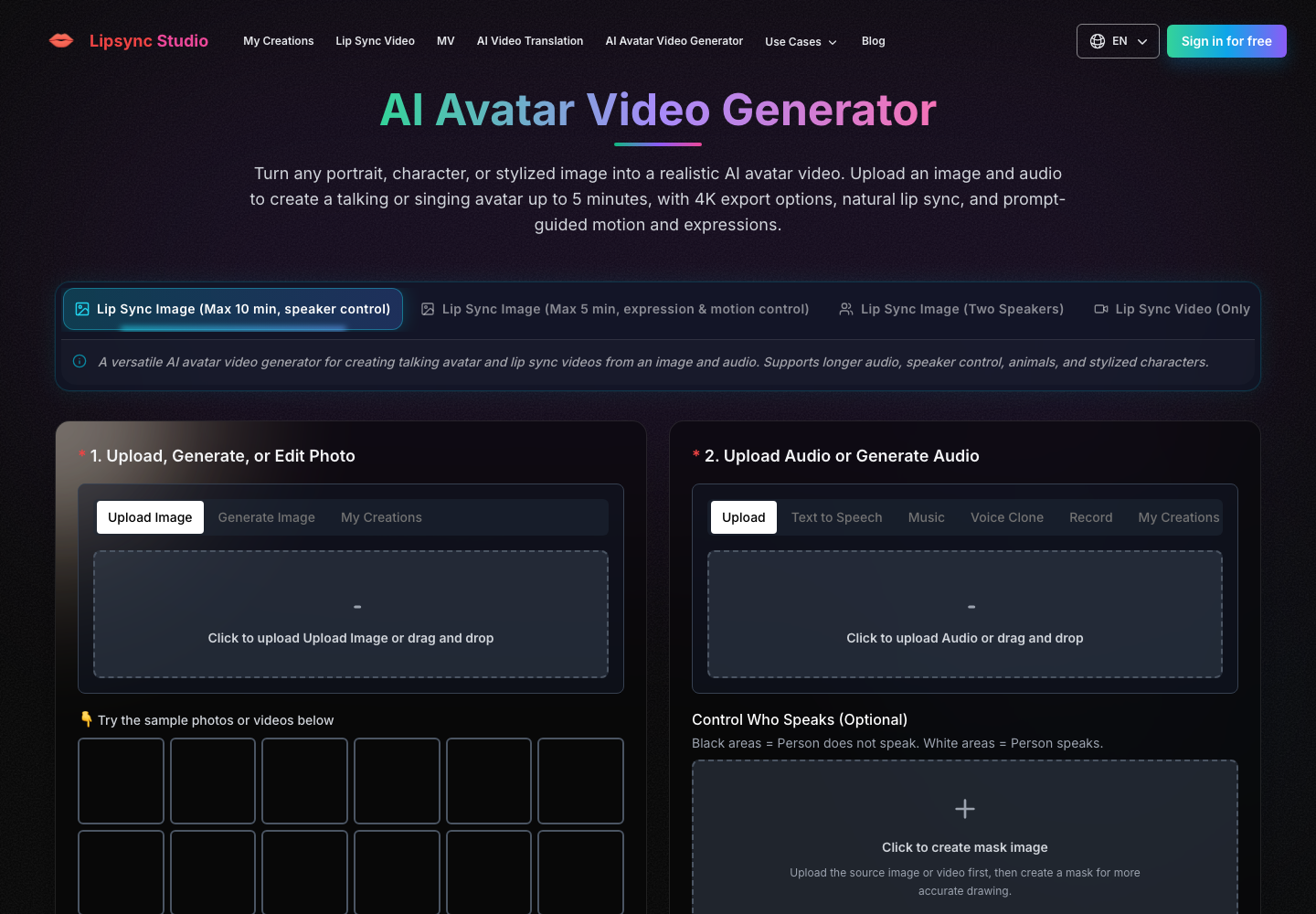
If the model still lets the official’s mouth ride the English track, the file does not air. Isolation failed. Either tighten the crop to the reporter, or drop the two-shot and cover with the wide. Lipsync Studio can move a mouth. It cannot decide who is allowed to speak on your air. A bilingual desk that files the two-shot anyway will spend the next hour writing a correction that names a quote nobody said.
Skip If The Mic Hand Leaves Frame
A walk-and-talk that loses the handheld, or a turn into a doorway, is a different shot. The visible speaker is gone. Scene identification will not invent a lawful mouth from a shoulder. Hold the package, find a facing sentence, or read the line under pictures. Do not spend the remaining window generating a chin.
File The Package After The Extra Mouth Stops
File only after the English line sits on the correspondent and the official stays still. The desk can use Lipsync Studio when it already owns that hit and only needs a new sentence from the same reporter. A new location, an unlisted official, or a music path that invents plazas needs a different source before another generate.
The file rule is an isolation rule. If a colleague who watched the presser cannot name a second speaker, and the new sentence lands on the script the rundown carries, the cut can replace the old package. Keep the approved take beside the export. The next bilingual window will ask for a new line and the same mic hand. Repeating a known mouth is faster than discovering, on air, that a minister is now mouthing English the desk never recorded.
Lipsync Studio does not close the correction. The rundown does. When those two agree, stop generating.