Venezuela Retains its Oil Sovereignty After Agreement with the United States.
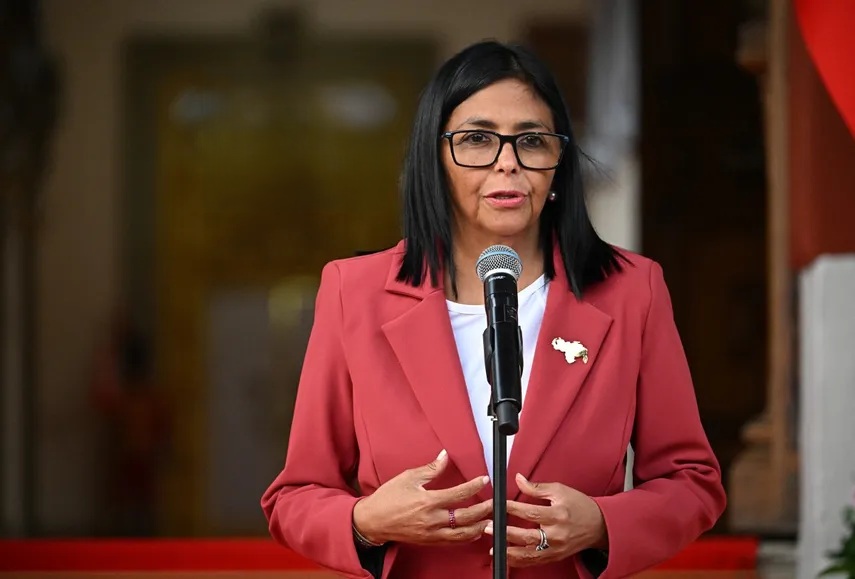
Venezuela’s interim president, Delcy Rodríguez, sought to calm tensions by explaining that the country will retain “ownership and sovereignty” over its oil following a controversial agreement that allows the United States to exploit Venezuelan oil fields. The agreement has sparked doubts among the population despite their hopes for economic recovery.
Sovereignty of Venezuela.
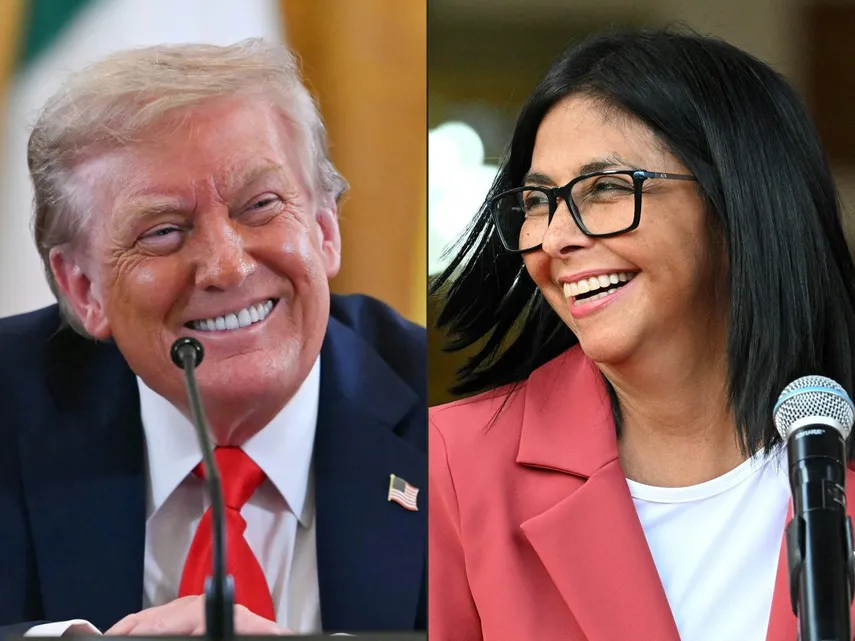
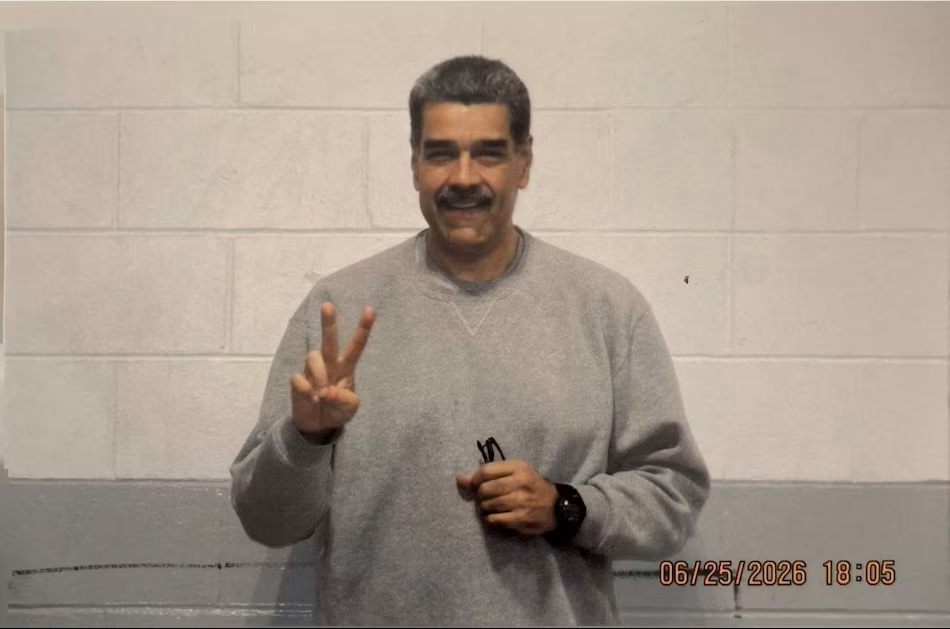
President Donald Trump pictured above left, announced on Friday that the United States will have majority control of 65 billion barrels of Venezuela’s oil reserves, in what he described as “the biggest oil deal in history.” President Rodríguez pictured above right, explained that Venezuela maintains ownership of the 17 “strategic fields” that the United States will control with the goal of producing 1.5 million barrels per day. Venezuela will receive $19 for each barrel traded. “We want to be an energy powerhouse, a major oil producer, a significant gas exporter, and a major petrochemical developer,” the president said in a speech on state television to justify why she chose “the path of diplomacy” with the United States.
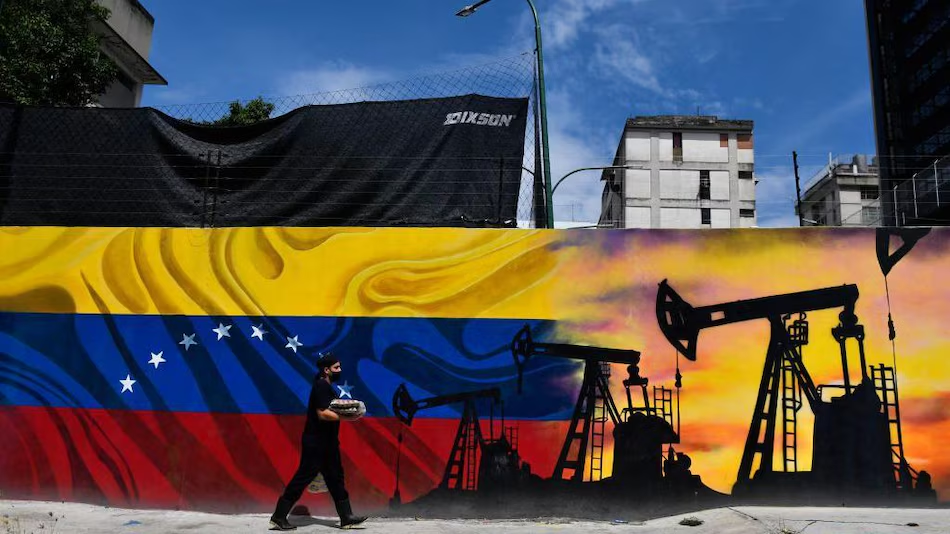
The negotiation raises concerns among supporters of Chavismo, as it takes place amid strong pressure from Washington on the Rodríguez government, which assumed power in January after the fall of Nicolás Maduro in a US operation. “We don’t know who that will benefit, whether it’s Venezuela or them (the United States),” Jesús Salazar, a 68-year-old private security worker, told AFP. “I have my doubts, but we have to wait and see what happens,” he said. Venezuela’s ruling United Socialist Party earlier ratified its support for the decision
Oil and Poverty.
Under pressure from Washington, Rodríguez has promoted reforms in recent months to open up the oil and mining sectors, once jealously controlled by the State, to private capital, especially foreign capital. At the same time, the United States relaxed the oil sanctions imposed during the Maduro administration. Oil production has increased by 29.8% from January to July, when Venezuela reached 1.2 million barrels per day, but it is still far from the 3 million it extracted at the end of the last century. The agreement seeks to recover those production peaks, but analysts agree that it will only happen in the long term. “The increase in production will not be seen for at least three or four years,” estimates engineer Oswaldo Felizzola.
This oil specialist welcomes the United States acting as a “guarantor” for investments in Venezuela, which has failed to attract large amounts of capital in more than a decade. “If that weren’t the case, those fields wouldn’t be exploited in the next 10 or 15 years because PDVSA (Petróleos de Venezuela) doesn’t have the economic resources to do so,” says Felizzola, a professor at the Institute of Higher Studies in Administration. An operation of this magnitude could accelerate the long-awaited economic recovery in Venezuela, still reeling from the brutal 80% contraction it suffered between 2014 and 2021.
It is the hope of many Venezuelans who barely survive on a monthly minimum wage equivalent to $0.16 and state bonuses that reach up to $240 per month, far from the $730 that the food basket costs, according to private estimates. “If they want the oil from here, from Venezuela, they have to pay for it at the current price, because it’s not like Venezuela is going to give them the oil for free,” says Carlos Baco. This 74-year-old public employee hopes that these oil revenues will improve the economy. His own finances haven’t seen any benefit from the increased production in recent months. “So far, nothing has been seen, consumption and food are more expensive, the dollar goes up and the prices of goods go up, everything goes up, transportation, everything. This is impossible here,” he says.
More Questions Than Answers.
Rodríguez, who described the agreement as “historic,” said that tax revenues of $204 billion are expected, but did not specify earnings from other sources such as royalties. The scant details shared by Venezuelan and US authorities make it impossible to properly measure its impact. According to analyst Elías Ferrer, the mere existence of the investments is good news, despite the conditions. “Without a doubt, this is better than before, because before that oil wasn’t being exploited. If nobody is exploiting it, nobody is paying royalties and nobody benefits from it,” he says. The United States sets the terms of the negotiation, but the benefit for Venezuela will depend on the implementation of the agreement. “Could it be better than this agreement? Most likely, yes,” Ferrer adds. “If everything is done right, it will be a great opportunity for Venezuela to see its oil sector revive,” says lawyer Dolores Dobarro, former Venezuelan Deputy Minister of Energy.