Who Can Be Held Liable in a DUI Accident Claim?
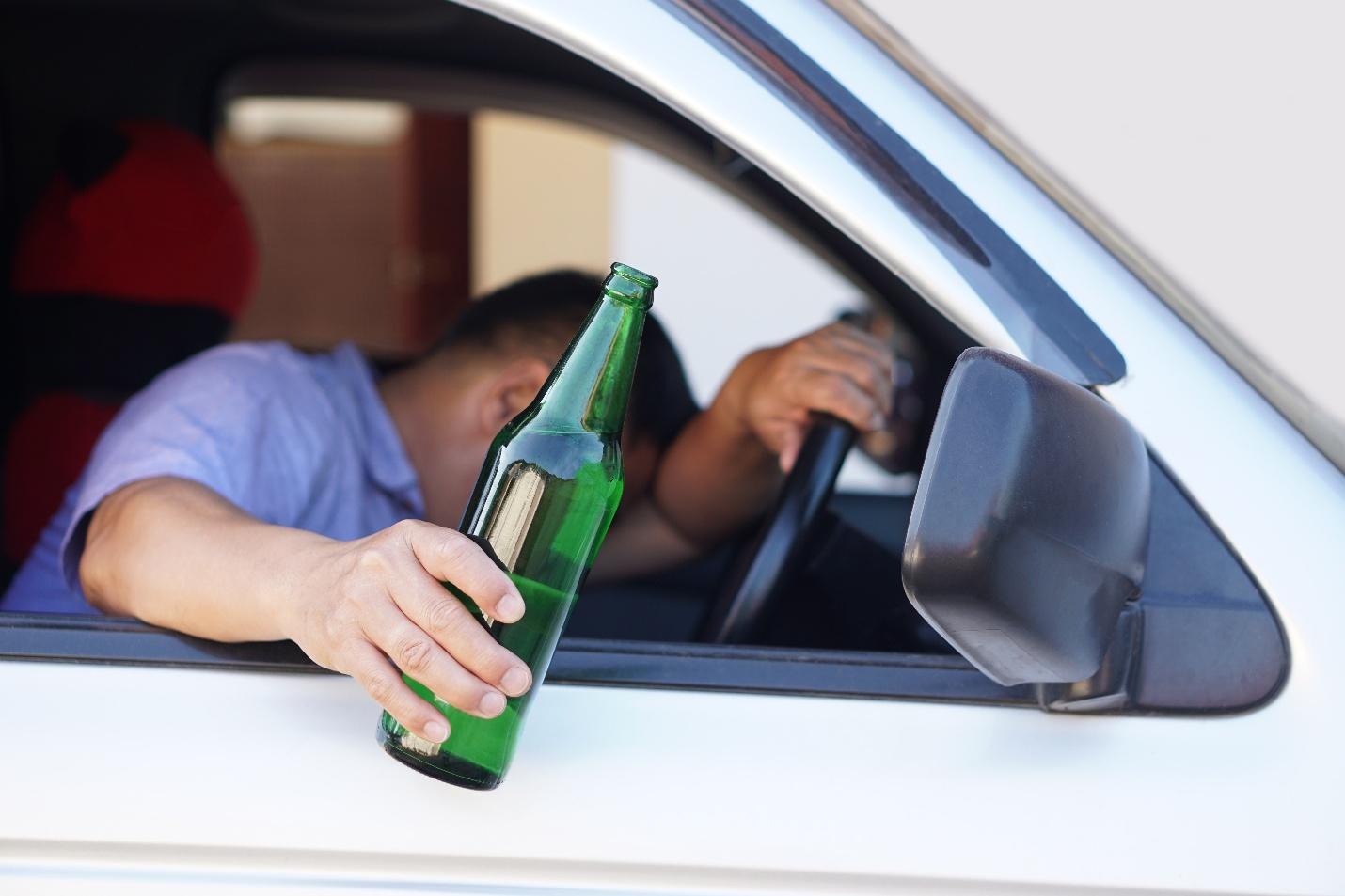
Several parties can be held liable in a DUI accident claim, not just the drunk driver. Depending on the facts, the vehicle’s owner, the driver’s employer, and even a bar or host who served the alcohol may share responsibility.
Finding every liable party matters because it can mean more sources of compensation for your injuries. A single driver’s insurance often cannot cover everything, so other parties can help fill the gap.
Determining who may be responsible is an important part of pursuing a DUI accident claim. Evidence from the crash, employment records, and alcohol service can help identify all parties who may share liability. If you need to seek help after a DUI accident, understanding who may be responsible can help you explore all available sources of compensation. This article explains that in detail.
The Drunk Driver
The impaired driver is almost always the first party held liable. By choosing to drive drunk, they broke the basic duty of care every driver owes to others on the road.
In many states, drunk driving may also support a finding of negligence. Under Restatement (Third) of Torts, Section 14, breaking a safety law can be treated as carelessness. However, states apply this rule differently, and some may treat a DUI only as evidence of negligence rather than automatic fault.
Even then, the driver’s insurance limits are often too low to cover serious injuries, which is why other liable parties matter.
Whoever Owned the Car
If someone other than the driver owned the vehicle, that owner may also be liable. The Restatement (Second) of Torts, Section 390, describes this as negligent entrustment. States apply it differently, but the owner generally must have known, or had reason to know, that the driver was likely to drive dangerously, such as being drunk or unlicensed.
This can include a parent who lends a car to a teen, a friend who hands keys to someone clearly drunk, or a rental company.
An Employer, If the Driver Was Working
When the drunk driver is on the job, the employer may share liability. Under respondeat superior, described in the Restatement (Third) of Agency, Section 2.04, an employer can be responsible for torts an employee commits within the scope of their work. Whether a DUI crash falls within that scope is often disputed, and it is most likely when the driver was:
- Driving a company vehicle for a work task
- Making a delivery or running a work errand
- Traveling between job sites while on the clock
This usually does not cover a worker who was off the clock, and it may not apply to an independent contractor rather than an employee.
Bars, Restaurants, and Social Hosts
The business or person who supplied the alcohol may share the blame. Many states have dram shop laws that let victims sue a bar or restaurant that served an obviously drunk customer who then caused a crash. Most of these laws require proof that the customer was already visibly drunk when served.
Some states also recognize social host liability, which can reach a private party host, especially one who served alcohol to a minor. These rules vary widely, so whether a provider can be sued depends on the state where the crash happened.
When Fault Is Shared Among Parties
In many DUI claims, more than one party is at fault. Most states use comparative fault to divide responsibility, giving each party a share of the blame, which can let you pursue several defendants. The rules differ, though: some reduce your recovery by your share, others bar it if you are mostly at fault, and a few still follow strict contributory negligence. Because rules vary by state, an attorney can map out every party and protect you from unfair blame.
Key Takeaways
- The drunk driver is usually the first and most obvious liable party.
- In many states, a DUI can support negligence per se, easing proof of fault.
- A vehicle owner may be liable for negligent entrustment if they knew the driver was unfit.
- An employer can be liable if the driver was acting within their job.
- Dram shop and social host laws may extend blame to alcohol providers.
- Comparative fault rules that split blame vary from state to state.
- Finding every liable party can mean more compensation for your injuries.