Several Sectors of Panama City Live with Less than Four Hours of Water per Day.
More than 20 communities in Panama City and San Miguelito face low pressure and intermittent water supply; their residents receive between four and six hours of water per day.

The lack of drinking water, low pressure, and intermittent service have become a recurring problem for dozens of communities in the districts of Panama and San Miguelito , especially in the upper sectors of the city, where the water does not arrive with sufficient pressure. More than 20 communities have reported that, due to intermittent water service, they receive water for only four to six hours a day, primarily during the early morning hours. This situation affects entire families and hinders basic activities such as cooking, washing, cleaning, and keeping water tanks filled. According to reports received, the situation has worsened in several areas in recent weeks, where residents say they are receiving less water.
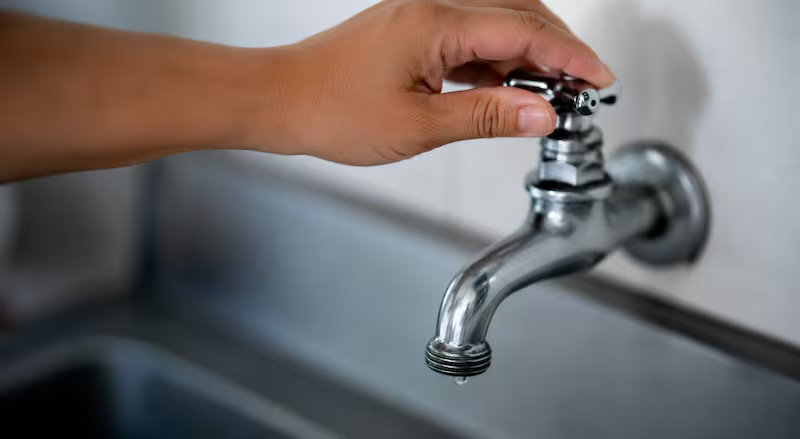
Many of these problems have persisted for years, and the National Water and Sewerage Institute (Idaan) is aware of them. Among the affected areas are Hato Pintado (Los Copetes street), La Pulida, 12 de Octubre, Altos de Miramar (George Westerman street), El Cangrejo (Erick del Valle street), Betania, Carrasquilla (La Loma), Miraflores (Ottawa and Colinas streets), San Francisco (behind Omar park), La Cresta , Villa Cáceres , Las Cumbres (July 12), Pacora (Las Garzas) and Tocumen (La Siesta Vieja), among others. In San Miguelito, the reports come from sectors of the district of Amelia Denis de Icaza (streets U, R, L and M), Victoriano Lorenzo (Monte Oscuro and Loma Blanca), Nuevo Veranillo, VSamaria-Sinaí and Villa Lucre, among others.

The lack of potable water is affecting residents of apartment buildings and residential complexes, such as La Cresta, where the supply arrives with low pressure and for such short periods that the available water is consumed before the reserve tanks can be replenished. Residents report that they have been facing this situation for about seven days. Community administrators in areas like Hato Pintado and La Pulida have asked residents to ration water and pay attention to delivery schedules, while they monitor tank levels and assess how much supply they can guarantee each day. Some buildings have even opted to purchase water to replenish their reserves.
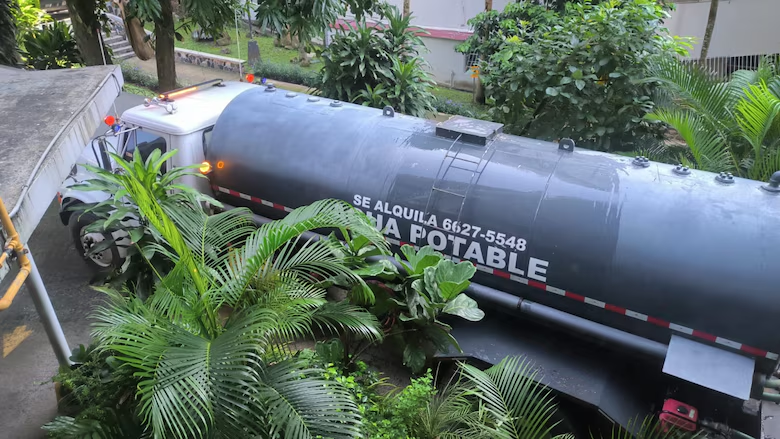
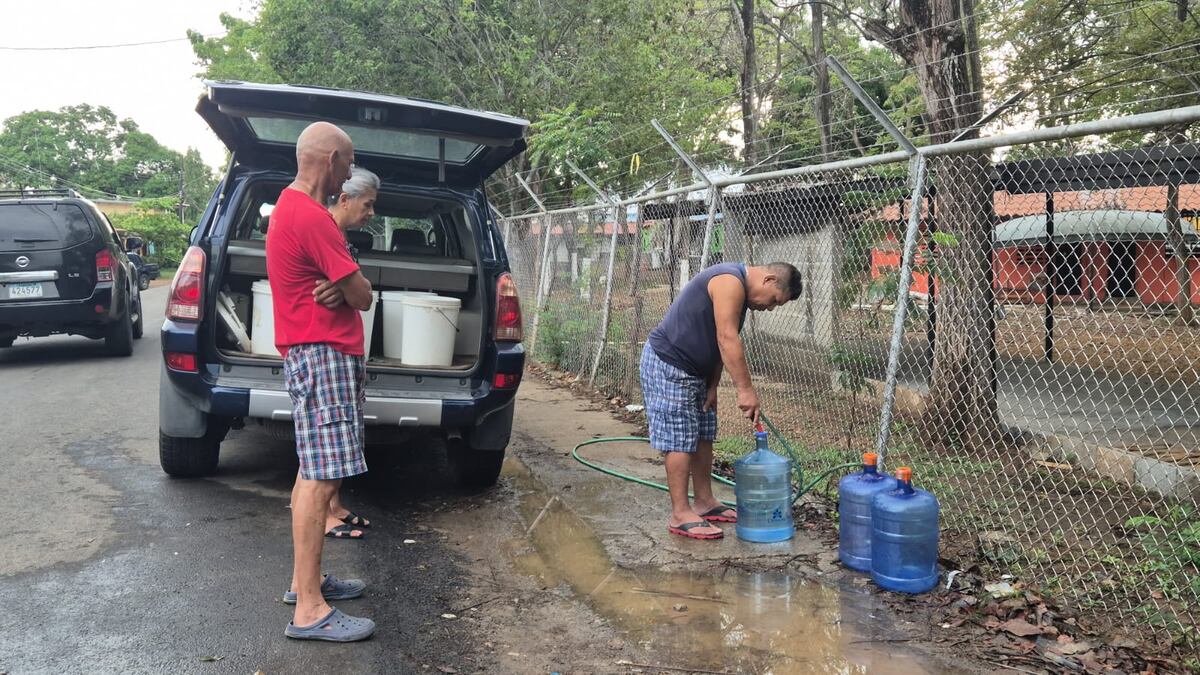
Faced with water shortages, several residential buildings have opted to purchase water from tanker trucks and fill their reserve tanks to maintain a water supply for their residents.
For residents like Griselda Hernández, the situation has become a daily problem. She explains that the water arrives between 3:30 a.m. and 7:00 a.m. and then stops, as if the main valve were turned off. In less than four hours, she has to fill the water tank, wash, clean, and do other household chores. Hernández, who lives in Amelia Denis de Icaza, points out that using the washing machine with the water stored in the reserve tank means being without water for the rest of the day. In Los Andes 2, the situation is similar. Amanda Villa commented that she only receives water for about two hours in the early morning, insufficient time to meet her daily needs.
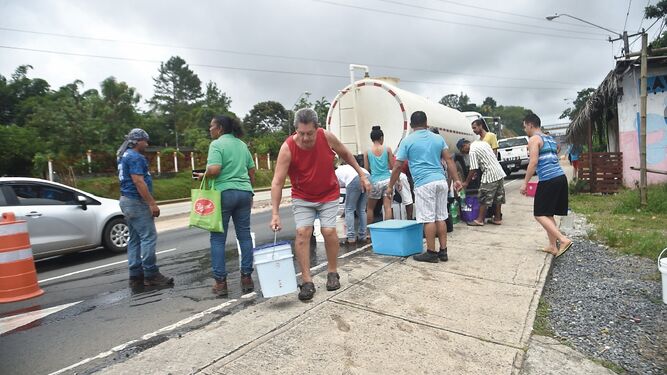
In the capital city, neighborhoods like La Cresta, El Cangrejo, and Bella Vista also face prolonged service interruptions. In Carrasquill, specifically in the PH Lomas del Parque, on Ciruelo Street, and in a good part of Hato Pintado, the panorama does not change. Residents say they have to alter their sleep schedules to take advantage of the hours when there is sufficient water pressure. “Some sleep in the early morning, while others, in the heart of the capital city, get water and do their household chores,” Anita Candanedo shared on her social media.
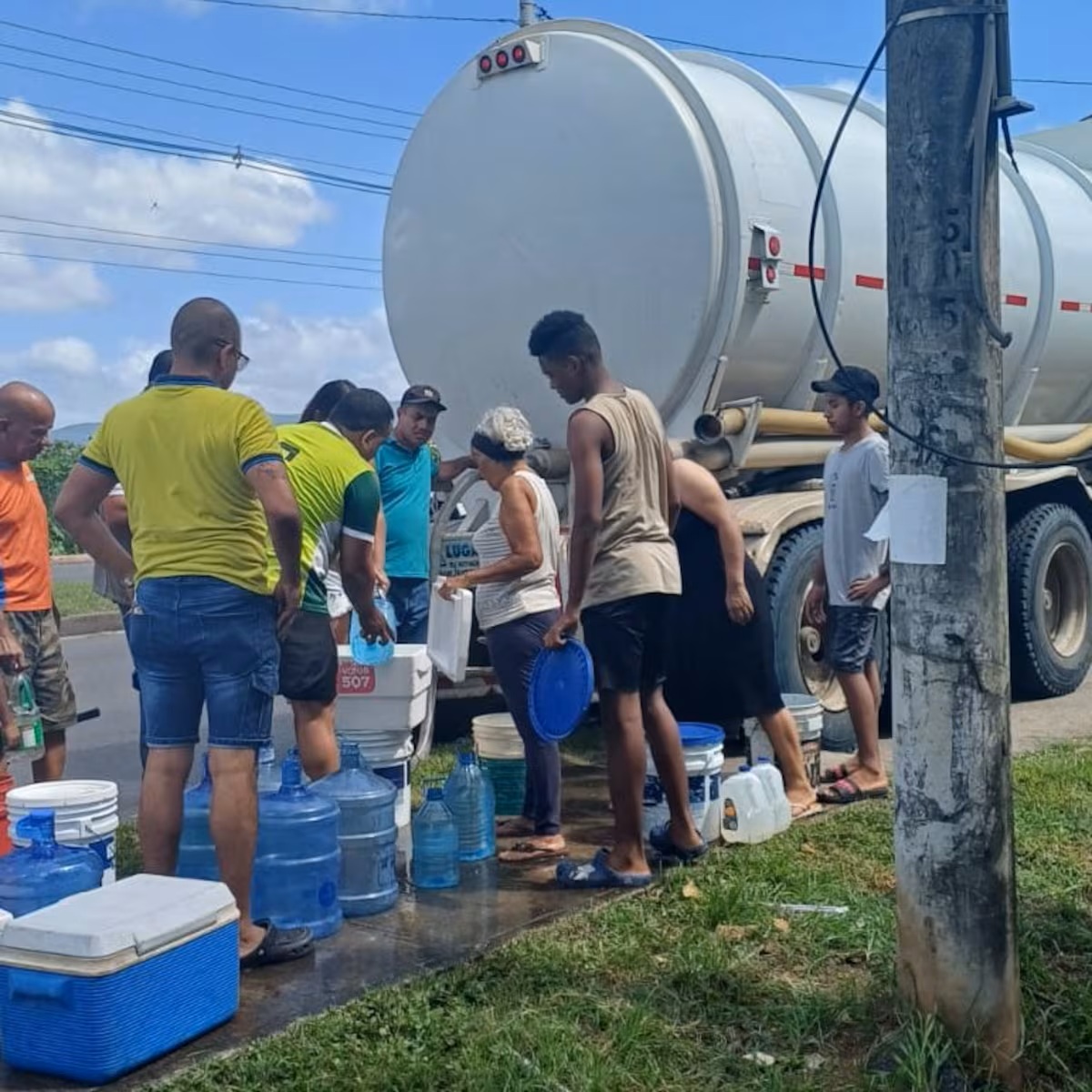
Water pressure problems have also been reported in the higher elevations of Parque Lefevre and Betania. In Betania, more than 10 communities receive water only during certain periods, mainly between night and morning. Many of these areas are classified by IDAAN as high-altitude zones, while some communities in eastern Panama are located far from the distribution network. This is compounded by factors such as leaks, illegal connections, and water waste. The problem is not limited to the capital. Communities in western Panama have also faced low water pressure and service interruptions.
What Does IDAAN Say?
In response to complaints about water shortages, César Díaz, National Director of Operations for IDAAN, explained that the supply problems in Hato Pintado, La Cresta, 12 de Octubre and sectors of San Miguelito correspond to different hydraulic systems, so the causes are not the same. In Panama City, the network depends on variables such as consumption, demand, and leaks, which can change daily and mainly affect the higher areas.
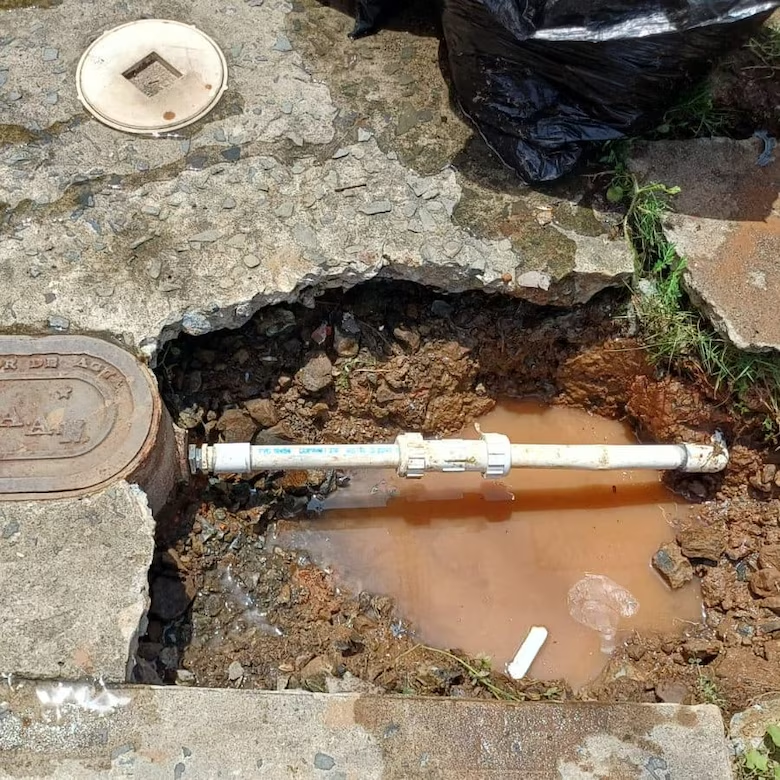
IDAAN operation, Panama No Leak.
Díaz explained that in the case of Hato Pintado, where the Operations Directorate recently met with PH administrators, IDAAN reported that it maintains flow and pressure meters to monitor the behavior of the network. As an immediate measure, the entity will implement the so-called “shock operation” twice a week, on Tuesdays and Fridays , through which it will direct a greater amount of water towards Hato Pintado and Pueblo Nuevo for about seven hours, taking advantage of periods of lower consumption, he highlighted. The official reported that the agency installed four new sectorization valves and is working on an interconnection with Fernández de Córdoba Avenue to create a hydraulic ring that will retain and direct more water to higher elevations.
For La Cresta and El Cangrejo, it is also preparing a project to supply 5 million gallons daily from the Miraflores plant. In San Miguelito, the National Director of Operations indicated that sectors like Amelia Denis de Icaza depend on the recovery of the Tinajitas tank. The IDAAN (National Water and Sewerage Institute) attributes some of the variations to changes in nighttime consumption and plans to replace four pumps at the Chilibre plant, which would increase its pumping capacity and allow it to supply an additional 5 to 6 million gallons per day to the city.
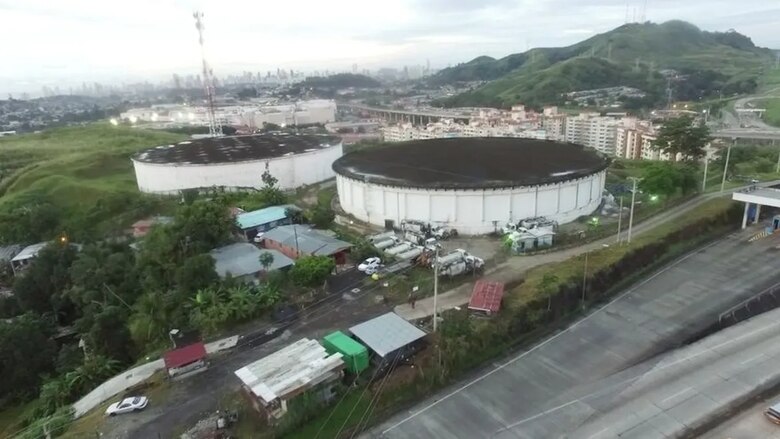
Tinajita Tanks, located in San Miguelito. Each with a capacity of 10 million gallons of water.
Idaan acknowledges that supply problems persist and points out that leak repairs, new interconnections and increased production capacity will be key to improving service.