The Drug ‘Mounjaro’ is Being Counterfeited in Panama Warns MINSA.
The National Directorate of Pharmacy and Drugs clarified that the counterfeit product subject to this alert is not registered in Panama.
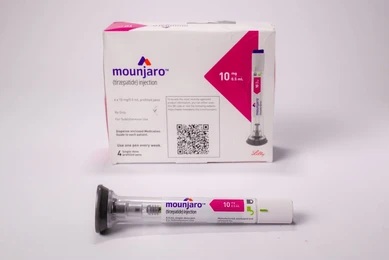
Panama City, Panama: The Ministry of Health (Minsa) with headquarters pictured below, through the National Directorate of Pharmacy and Drugs (DNFD), issued a health alert after the detection of a counterfeit version of the drug Mounjaro® (tirzepatide) and recommended that the public avoid purchasing this product outside of authorized establishments and channels.

The alert comes after a warning issued by Brazil’s National Health Surveillance Agency (Anvisa), following the manufacturer, Eli Lilly do Brasil Ltda., reporting the identification of a counterfeit device whose serial number does not match the one registered on its original cartridge. According to information released by the Ministry of Health, the counterfeit product corresponds to a small volume parenteral solution of tirzepatide, identified with lot D881474 and expiration date 04/2027.

The National Directorate of Pharmacy and Drugs clarified that the counterfeit product subject to this alert is not registered in Panama. Given this situation, the Ministry of Health reminded the public of the importance of purchasing medicines only through pharmacies and formal and authorized establishments, as a measure to reduce the risks associated with the consumption of counterfeit products. The institution recommended not buying or using units that have the characteristics described in the alert and asked to report any establishment, person or point of sale that may be selling this product irregularly. Complaints can be made through the telephone line 501-0306.
Mounjaro (tirzepatide).
Mounjaro (tirzepatide) is a brand-name, once-weekly prescription injectable medication created by Eli Lilly to improve blood sugar levels in adults and children aged 10 and older with type 2 diabetes.
How It Works.
- Acts as a dual GIP and GLP-1 receptor agonist, mimicking natural gut hormones to stimulate insulin secretion, lower glucagon, and slow digestion.
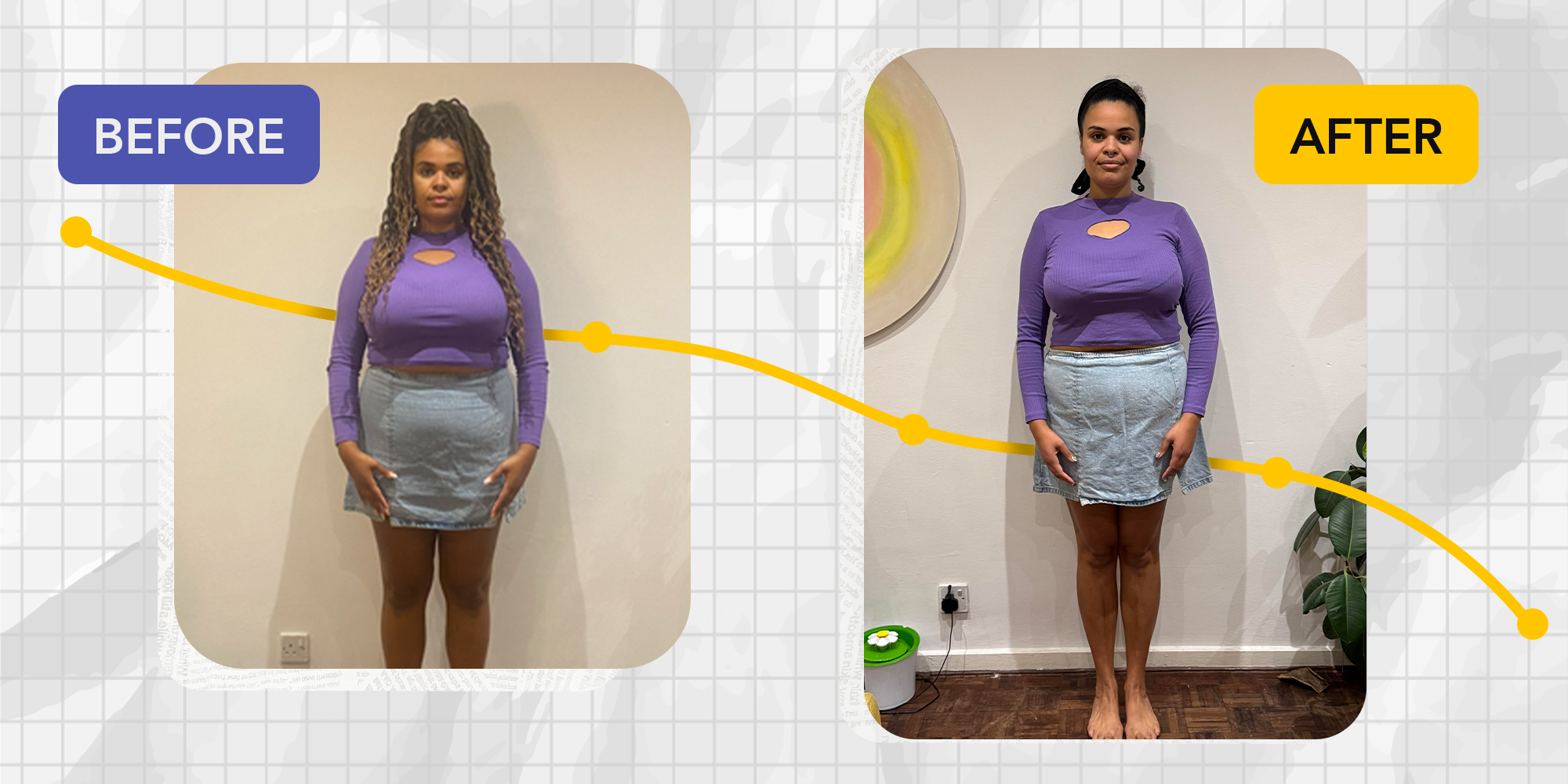
- Helps control appetite and increase feelings of fullness, which frequently leads to significant weight loss as a secondary effect, though a separate formulation of the same drug is specifically branded for chronic weight management.
Dosage and Administration.
- Administered as a subcutaneous injection under the skin of the abdomen, thigh, or upper arm once per week.
- Dosing typically starts at an initial level of 2.5 mg weekly and can be titrated upward in 2.5 mg increments up to a maximum of 15 mg per week as directed by a healthcare professional.
Common Side Effects.
- Nausea and vomiting
- Diarrhea or constipation
- Decreased appetite
- Stomach pain, indigestion, or abdominal cramps
Warnings and Precautions.

- Carries a boxed warning regarding thyroid C-cell tumors observed in animal studies; it is contraindicated for individuals with a personal or family history of medullary thyroid carcinoma or Multiple Endocrine Neoplasia syndrome type 2.
- Can reduce the absorption and efficacy of oral birth control pills, requiring alternative contraceptive measures during initiation and dose escalations.