Portable Power Station Reviews: Key Features to Compare
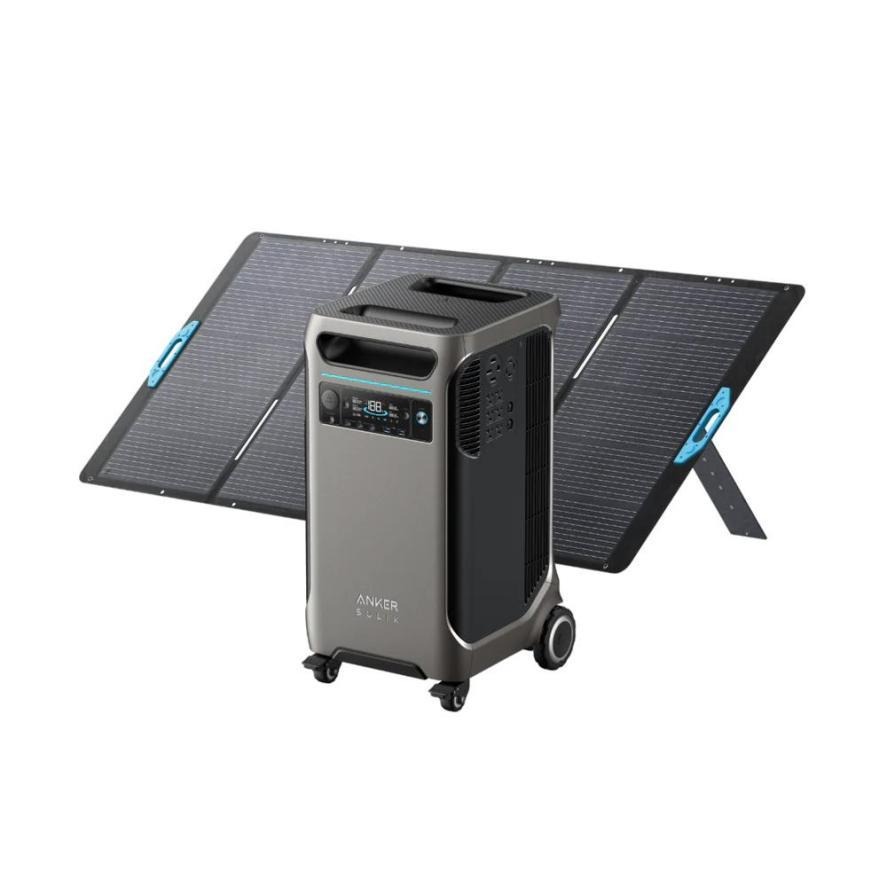
Portable power station reviews are most useful when they focus on the features that directly affect daily use: battery size, output power, charging speed, safety, and portability. A unit may look impressive on paper, but real value comes from how well it runs your devices, how fast it recharges, and how long it lasts over repeated cycles. Reviews help buyers separate marketing claims from practical performance, especially for camping, home backup, road trips, outdoor work, and emergency preparedness. Instead of choosing based on price alone, it makes more sense to compare the specifications that shape reliability and convenience. Looking closely at the right features makes it easier to find a portable power station that matches your energy needs without paying for capacity or functions you will not use.
Why Portable Power Station Reviews Matter Before Buying
Understanding the Role of Portable Power Stations
Portable power stations store electricity in an internal battery and deliver it through AC outlets, USB ports, and DC connections for electronics, small appliances, and tools. They are commonly used as quiet, fume-free alternatives to gas generators in places where indoor safety, low noise, or mobility matter. Their role can range from keeping phones, laptops, lights, routers, and medical devices running during outages to supporting camping setups or remote workstations off-grid. Because these products serve very different needs, reviews are important for understanding real-world limits. A model designed for charging personal devices may not handle high-wattage appliances, while a larger unit built for backup use may be less convenient to carry or store.
Why Feature Comparison Helps Find Better Value
Feature comparison helps buyers judge value based on performance, not just headline pricing. Two portable power stations can appear similar while offering very different battery chemistry, usable capacity, inverter strength, charging options, and warranty support. Reviews that compare these details reveal whether a lower-priced unit sacrifices lifespan, safety features, or charging speed. They also show when a more expensive model includes practical advantages such as more output ports, better display information, or pass-through charging. Comparing features prevents overbuying and underbuying at the same time. You can match the station to your expected loads, backup duration, and travel needs with much more confidence. That leads to a smarter purchase and fewer limitations after you start using it regularly.
Battery Performance Features to Evaluate in Reviews
Battery Capacity and Runtime Expectations
Battery capacity is one of the first numbers to examine in the best portable power station reviews because it strongly influences runtime. Capacity is usually listed in watt-hours, and that figure helps estimate how long the unit can power specific devices. For example, a 500Wh station can generally run a 50W device for about 8 to 9 hours after accounting for conversion losses, not the full 10 hours suggested by simple math. Reviews are valuable here because they often test real usage instead of ideal conditions. Look for runtime results with appliances, laptops, lights, and small coolers. A good review also explains inverter losses, battery reserve behavior, and whether the advertised capacity translates into dependable usable power in practice.
Battery Technology, Lifespan, and Safety Factors
Battery technology affects durability, weight, thermal stability, and long-term value. Reviews should identify whether a portable power station uses lithium iron phosphate or another lithium chemistry, because that choice influences cycle life and safety performance. Lithium iron phosphate batteries are often favored for longer lifespan and stronger thermal stability, which matters for frequent use and backup readiness. Reviewers should also note battery management systems that protect against overcharging, overheating, short circuits, and over-discharge. These features are not minor details; they directly affect reliability and safe operation indoors or in vehicles. Lifespan information is especially important because a lower upfront price may become less attractive if the battery degrades quickly and delivers reduced runtime after repeated charging.
Power Output and Charging Capabilities Compared
Checking Output Power for Different Devices
Output power determines what a portable power station can run at one time and whether it can handle startup surges from certain devices. Reviews should check both continuous wattage and surge rating, then compare those figures with real appliance demands. Small electronics such as phones, cameras, tablets, and laptops need far less power than coffee makers, microwaves, kettles, or power tools. A useful review explains outlet types too, including AC sockets, USB-A, USB-C, and regulated DC outputs. Port variety matters when you want to charge several devices without adapters. It also helps to see whether performance stays stable under mixed loads. Strong output specifications are only meaningful when the station delivers clean, consistent power during actual use.
Evaluating Solar, AC, and Fast Charging Options
Charging flexibility has a major effect on convenience, especially for emergency backup and outdoor use. Good portable power station reviews compare AC wall charging, car charging, and solar input, then explain how long each method takes under realistic conditions. Fast AC charging can be valuable when outage warnings are short or turnaround time matters between trips. Solar charging becomes more important for extended off-grid use, so reviews should note input limits, supported solar voltage ranges, and whether maximum input is easy to achieve in practice. It is also helpful to check if the unit allows pass-through charging while powering devices. A model with multiple recharge options and clear charging information usually offers better day-to-day usability than one with limited input flexibility.

Conclusion
Portable power station reviews should answer a simple buying question: how well will this unit power your devices, for how long, and how easily can it recharge? The most important features to compare are battery capacity, usable runtime, battery chemistry, safety protections, output wattage, port selection, and charging flexibility. Reviews are especially valuable when they move beyond listed specifications and show real-world performance with common devices and practical scenarios. Buyers who focus on these core points can choose a unit that supports home backup, travel, work, or recreation without paying for features they do not need. A careful feature comparison leads to better value, fewer compromises, and a more dependable portable power solution when reliable electricity matters most in daily life or emergencies.