Crypto Swaps Explained: A Simpler Way to Trade
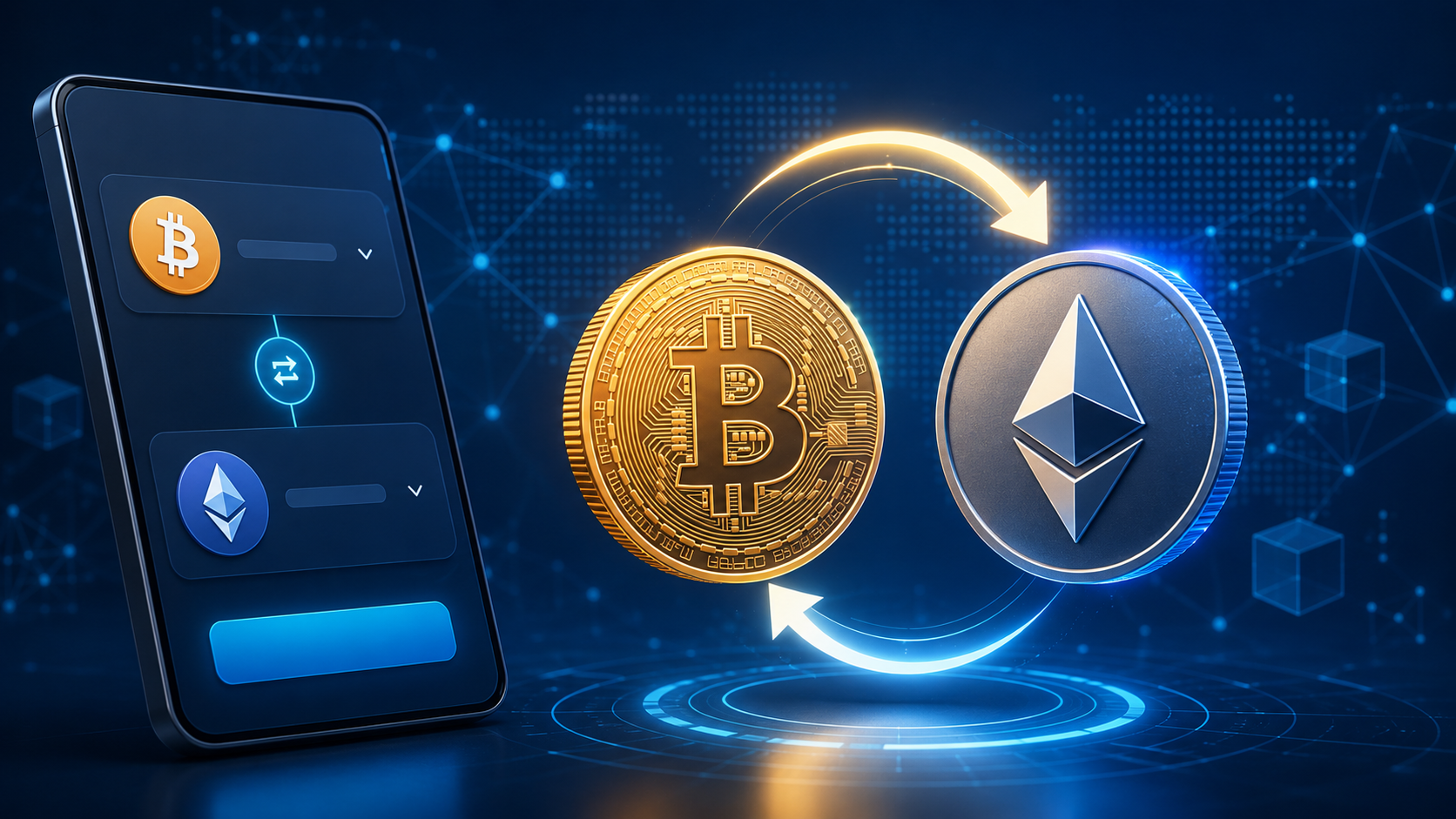
Guest Contribution – A crypto swap is a direct exchange of one digital asset for another – no cash, no middleman currency, no waiting around for a bank transfer to clear. It sounds almost too straightforward, and yet most people trading digital assets for the first time still don’t use it.
That’s a little odd, considering how much friction it removes. Anyone who has sold Bitcoin just to buy Ethereum a few minutes later knows the drill: two transactions, two sets of fees, and a short window where the money is sitting as fiat or a stablecoin instead of working for the trader. A swap skips that entirely.
Panama has become one of the more active hubs in the region for crypto adoption, and interest in tools that simplify trading keeps growing alongside it. So it’s worth breaking down what a swap actually is, how it differs from a standard buy-and-sell, and what to look for before using one.
How a Crypto Swap Actually Works
At its core, swapping is a single transaction that converts one cryptocurrency into another. Think of it like exchanging euros for pounds before a trip to London – except there’s no currency counter, no commission booth, and no third party holding the funds in between.
Behind the scenes, the platform handling the swap uses its own liquidity or connects to a liquidity pool to match the trade instantly. The trader picks the asset they hold, the asset they want, confirms the amount, and the exchange happens in one step. No fiat conversion. No separate “sell” order followed by a separate “buy” order.
This matters more than it might seem. Every extra step in a transaction is a chance for price movement to work against the trader, and a chance for an additional fee to chip away at the total.
Swap vs Buy and Sell: What’s the Real Difference
Buying and selling crypto usually involves fiat currency, or at least a stablecoin, as the bridge between two assets. Someone wanting to move from Bitcoin into Chainlink, for example, typically has to sell the Bitcoin first, wait for that trade to settle, then place a second order to buy Chainlink. Two trades, two fee structures, and two moments of exposure to price swings.
A platform built to swap crypto with Venga removes that middle step. The trade goes straight from one asset to the other, and with a low 0.8% fee per operation, the cost structure is noticeably leaner than running two separate trades through a traditional buy/sell flow.
That difference isn’t just theoretical. It changes how people think about rebalancing a portfolio. Instead of treating every adjustment as a two-part event, a swap treats it as one clean move – which tends to encourage more active, more confident portfolio management.
Why Traders Are Leaning Toward Swaps in 2026
A few things have pushed swaps from a niche feature to something closer to standard practice:
- Speed. A single transaction settles faster than a sell-then-buy sequence, especially during periods of high network activity.
- Lower cost exposure. Fewer transactions generally means fewer fees eating into the trade.
- Simplicity. One screen, one confirmation, no juggling two separate order books.
- Regulatory clarity. More platforms offering swaps are now operating under recognized financial oversight, which has made the feature feel less like a workaround and more like a legitimate trading tool.
That last point is worth pausing on. A swap is only as trustworthy as the platform running it. Venga, for instance, operates as a registered Virtual Asset Service Provider and Custodian under the Bank of Spain, which places it under a recognized regulatory framework rather than an unregulated gray area – something worth checking with any platform before moving funds through it.
What to Check Before You Swap
Not every swap feature is built the same way, and a bit of due diligence goes a long way. Before swapping, it’s worth confirming:
- Which assets are supported. Most platforms start with major coins like Bitcoin, Ethereum, and a handful of established altcoins, then expand the list over time.
- Whether the platform is regulated, and by whom – this affects both security and recourse if something goes wrong.
- How fees are structured, since “no swap fee” doesn’t always mean the trade is entirely free of cost; network fees can still apply.
- Whether pricing is transparent before confirming the trade, rather than adjusting after the fact.
None of this takes long to check, but skipping it is how people end up on platforms that quietly make swaps more expensive than they look.
Final Thoughts
Swapping crypto isn’t a trend so much as a correction – a more direct way of doing something that used to require two clumsy steps. For traders who rebalance often, or who simply want to move between assets without touching fiat, it’s hard to argue with the logic of cutting out a transaction that never needed to exist in the first place.
As more platforms build swap features into their core offering, the gap between “trading crypto” and “trading crypto efficiently” keeps narrowing. Anyone still selling and rebuying the long way might find it worth a second look.
________________________________________________________________________________________________________________
Advertisements placed in our Guest Contribution sections are in no way intended as endorsements of the advertised products, services, or related advertiser claims by NewsroomPanama.com, the website’s owners, affiliated societies, or the editors. Read more here.