

Remains Dating Back 3.5 Million Years: Largest and Deepest Whale Graveyard Found
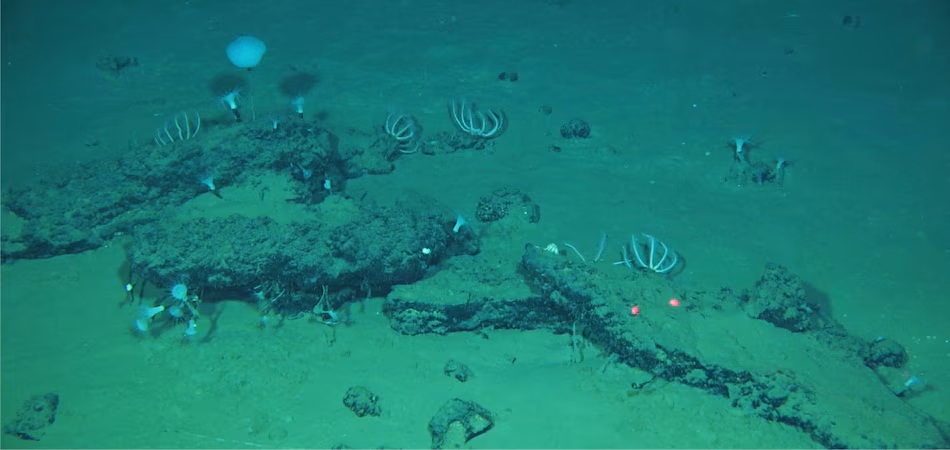
Image below was taken from the Chinese submersible Fendouzhe showing some of the whale carcass remains that form the largest, deepest, and oldest whale graveyard in the world.
Beaked whales are found in Panama’s waters. They are primarily spotted in the deep, offshore waters of the country’s Pacific coast, including Coiba Island and the Gulf of Chiriqui, which is not far from the city of David and the town of Boquete. While over 30 species of whales and dolphins inhabit Panama’s waters, beaked whales are particularly elusive. They are deep-diving creatures that tend to avoid boats, making them a rare and special sighting for researchers and divers rather than typical tourist attractions. For comparison, here is a quick look at the other types of cetaceans you can find in Panama:
- Humpback Whales: The most commonly spotted whales. Panama hosts both Northern and Southern Hemisphere populations, creating two distinct whale-watching seasons: July–October (from Antarctica) and December–April (from Alaska).

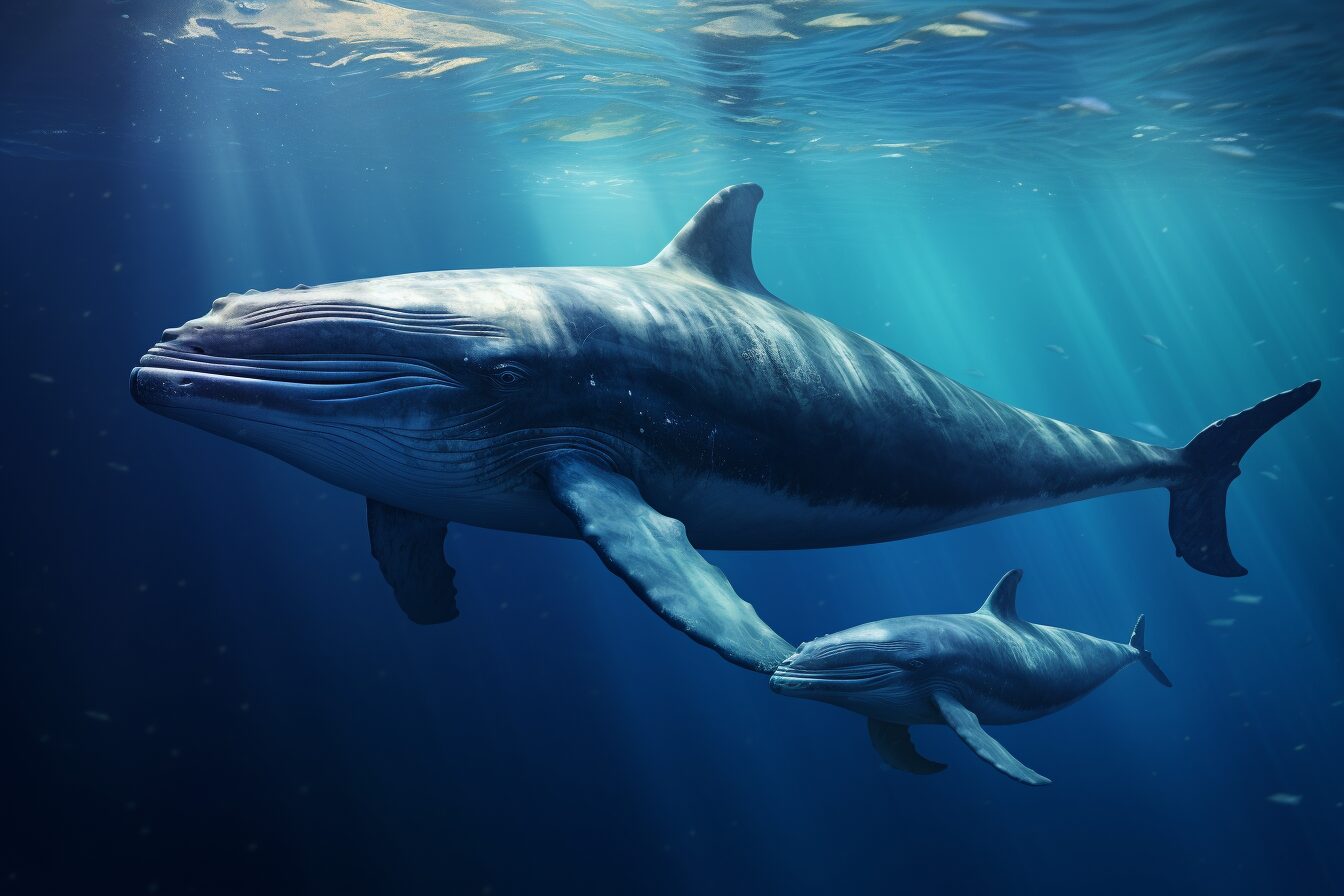
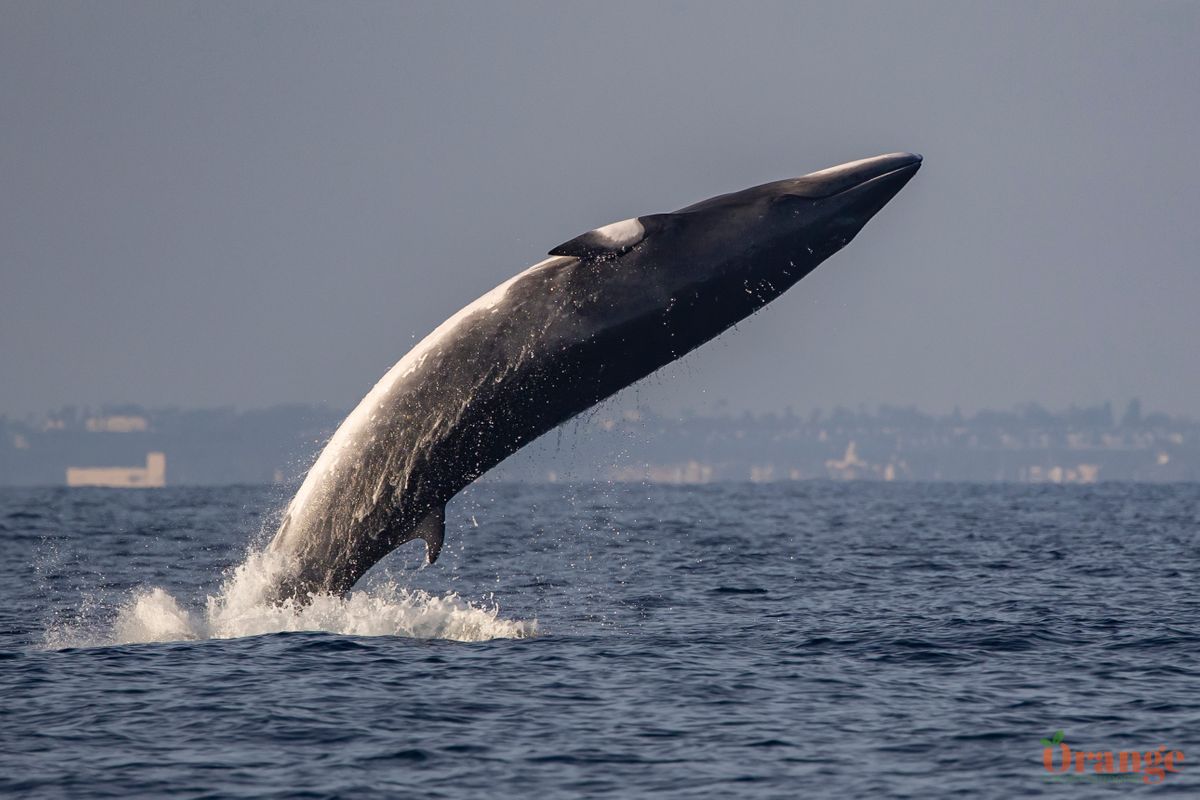
- Other Baleen Whales: Occasional sightings of Blue Whales pictured below and Minke Whales pictured under the Blue Whales have been recorded.
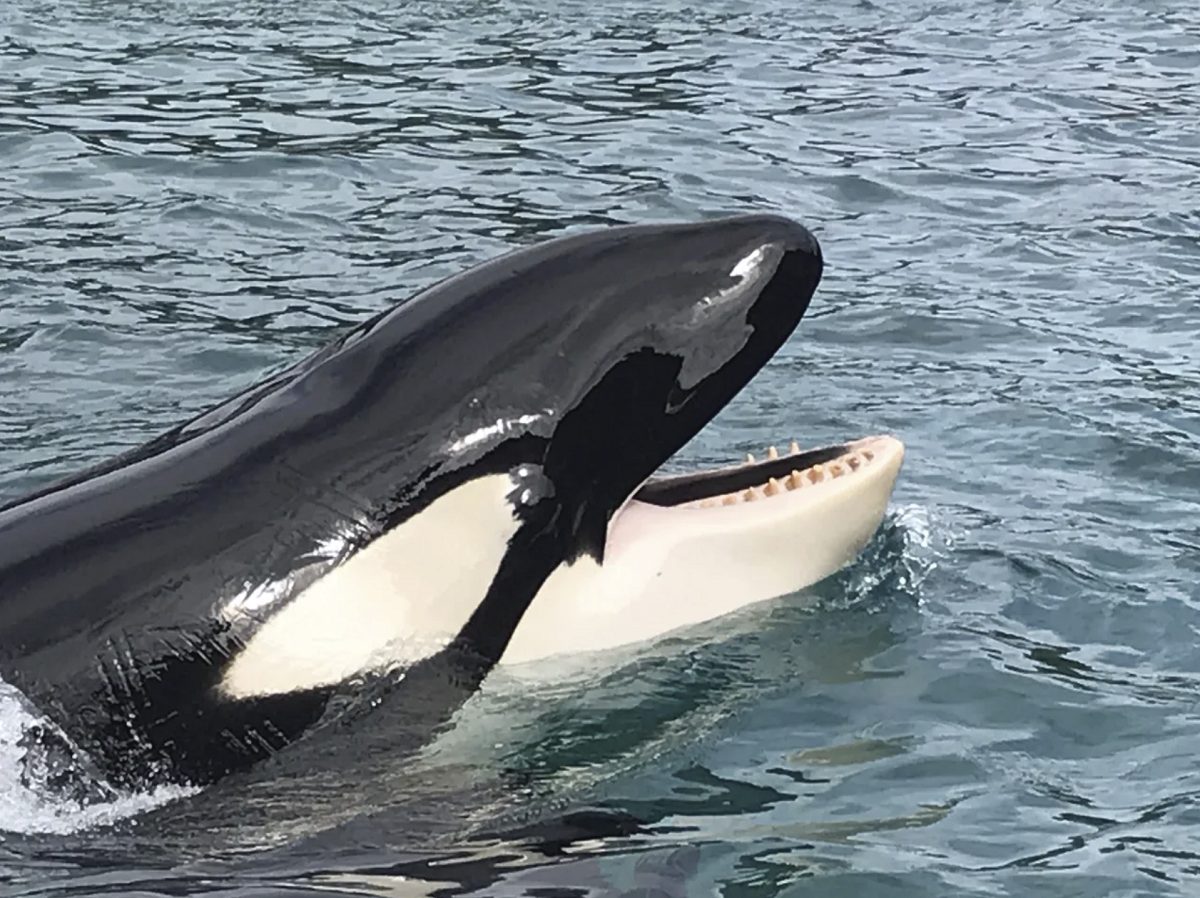
- Toothed Whales & Dolphins: Along with beaked whales, you can spot Sperm Whales, Short-finned Pilot Whales, and various dolphin species (like Bottlenose and Spinner dolphins).
A massive whale graveyard discovered in the southeastern Indian Ocean is the deepest, largest, and oldest known. The necropolis, which could contain up to 10 million carcasses, includes both modern and ancient remains, with fossils dating back 5.3 million years. The discovery was made by a team led by the Chinese Academy of Sciences and including Italian and New Zealand researchers, who published the details in Nature.
The cemetery, which extends for about 1,200 kilometers of the seabed, is in the Diamantina Fracture Zone in the Indian Ocean and the remains are found at depths of up to 7,001 meters (in the other known cemeteries they do not exceed 4,200). But it’s not just a dead place. The study explains that “one of the most fascinating phenomena” of the deep sea is the ‘whale fall,’ which occurs when a whale dies and its carcass sinks to the ocean floor.
There, their remains create an oasis of biodiversity that harbors specialized communities composed of bone-eating worms, chemosynthetic bivalves, and brittle stars (similar to starfish). In the case of the new graveyard, some are unknown to science. These “exceptional characteristics” of the site offer “a privileged perspective on the evolutionary history of beaked whales, enigmatic deep-sea predatory cetaceans,” Alberto Collareta, a researcher at the University of Pisa (Italy) and one of the authors of the article explained.
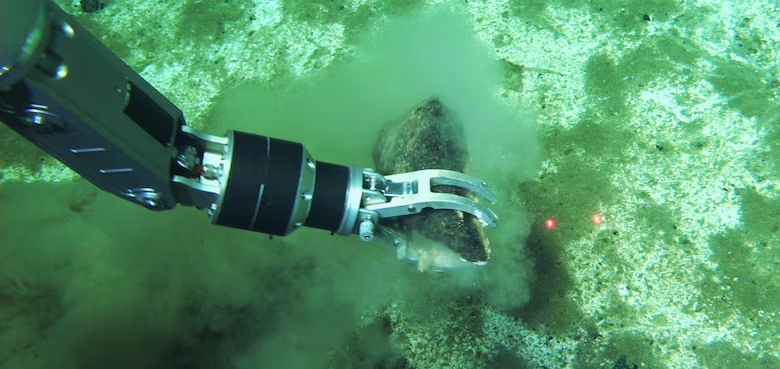
Recovering fossil whale bones using the arm of the Chinese submersible Fendouzhe in the depths of the seabed in the Diamantina area.
Furthermore, it reveals a fossilization process that is still little studied, such as the preservation of vertebrate remains directly in the depths thanks to the protective action of thick iron and manganese encrustations.
Paleontological Heritage
This discovery, made in 2023 and which was “largely unexpected” -Collareta acknowledged-, was achieved with a Fendouzhe bathyscaphe, which submerged in 32 areas of the Diamantina trench and recovered 43 fossils. Four hundred and eighty-five fossil sites and five still-active whale sluices (which support animal communities) have been located.
Researchers estimate that the area could contain more than 10 million carcasses, representing a significant carbon sink. In almost all explorations the presence of fossils has been documented, often by the dozens in each dive, so the researcher considers that the remains observed directly represent “only a small part of the immense paleontological heritage that is preserved on the seabed.”
A huge and ancient place, where the oldest recovered and dated remains are from 5.3 million years ago, in the early Pliocene, specifically, part of a skull of the extinct species Pterocetus benguelae. Among the identified fossils are current species, such as the deep-sea beaked whale or the strap-toothed whale, and extinct ones such as Pterocetus diamantinae, previously unknown and described thanks to this research.
This site provides a “privileged perspective” on beaked whales, which, despite their size (up to 12 meters) and the variety of species (at least 24 living ones), “their biology is largely unknown, as some have never been sighted at sea and are only known from rare strandings.” It is not just a necropolis, but also “a fundamental archive for understanding how these deep-sea hunters developed such an extreme lifestyle over millions of years.”
Oasis of Biodiversity
A place that harbors a lot of life, because the carcasses deposited on the seabed can support extremely specialized biological communities, known as ‘whale fall communities’, for a hundred years. These are “extraordinary” ecosystems where some organisms feed on the remains —even taking advantage of the collagen and lipids inside the bones— and others use the skeleton as an anchor point on the seabed, he explains.
So far, five active deposits have been detected, including one formed by three beaked whale vertebrae at 6,789 meters, which is the deepest known and harbors organisms that “seem totally new to science.” Among the bone remains, brittle stars, bone-boring worms (Osedax), and chemosymbiotic bivalves have been found as refuge. In addition, the presence of the sea daisy associated with wood was recorded for the first time.
Why There?
The fact that the same place, not far from western Australia, has been harboring dead whales for several million years implies that it must have some special characteristics. Collareta says that the Diamantina Trench is likely an ideal hunting ground for beaked whales, where the physiological risks associated with extreme dives (to more than 3,000 meters) increase natural mortality.
Furthermore, “the extraordinary concentration and preservation of the fossils” is favored by the V-shaped topography of the pit, which channels the carcasses towards the seabed, and the low sedimentation rates allow the bones to remain exposed for long periods, which contributes to their preservation.